Shopping at Promise Roast Co.: This store currently offers one-time purchases. Automatic recurring subscriptions are not available. Subscription services discussed below are general comparisons. See current products and pricing.
Table of Contents
- How We Evaluated Each Artisan Coffee Subscription
- Quick Comparison: Best Artisan Coffee Subscriptions at a Glance
-
The Top Artisan Coffee Subscriptions of 2026, Ranked
- Promise Roast Co., Best Overall for Peak Freshness
- Driftaway Coffee, Best for Single-Origin Enthusiasts
- Atlas Coffee Club, Best for Exploring Global Roast Profiles
- Angels’ Cup, Best for Developing Your Palate
- Trade Coffee, Best for Personalized Recommendations
- Counter Culture Coffee, Best for Sustainability and Traceability
- Blue Bottle Coffee, Best for Flexible Scheduling
- How to Choose a Coffee Subscription That Actually Fits Your Routine
- Coffee Subscription Frequency Guide: How Often Should You Order?
- Best Coffee Brewing Methods for Artisan Beans
- Conclusion
Last Updated: August 20, 2026
Choosing the best artisan coffee subscription in 2026 means navigating a crowded market. At Promise Roast Co., we’ve evaluated what separates a subscription worth keeping from one you cancel after the second shipment. This guide ranks the top artisan coffee subscriptions available, covering roast freshness, single-origin sourcing, cancellation policies, and brewing compatibility.
The core principle: freshness is non-negotiable. Coffee peaks within days of roasting. Roast-to-order models win. Everything else is a compromise.
How We Evaluated Each Artisan Coffee Subscription
Useful comparison criteria include roast information, sourcing details, delivery flexibility, brewing options, cancellation terms, and current pricing. Verify those details directly with each service before ordering.
We prioritized services that roast after an order is placed rather than shipping pre-roasted inventory. Single-origin transparency, specific farm names, altitude data, and processing methods, scored higher than vague “origin” labels. Flexibility to pause, skip, or cancel without friction was treated as a baseline requirement.
Quick Comparison: Best Artisan Coffee Subscriptions at a Glance
| Subscription | Best For | Roast-to-Order | Grind Options | Starting Price |
|---|---|---|---|---|
| Promise Roast Co. | Peak freshness, variety | Yes | Whole bean, ground, pods | Visit site |
| Driftaway Coffee | Single-origin exploration | Yes | Whole bean, coarse, fine | $14.40/shipment |
| Atlas Coffee Club | Global roast profiles | Yes | Whole bean, ground | $9/half-bag + shipping |
| Angels’ Cup | Palate development | Varies | Whole bean, coarse, fine | $10.99/shipment |
| Trade Coffee | Personalized matching | Varies by roaster | Whole bean, ground | $16.99/10.93oz bag |
| Counter Culture Coffee | Sustainability focus | Yes | Whole bean | Varies by selection |
| Blue Bottle Coffee | Flexible scheduling | Yes | Whole bean, ground | $11/6oz shipment |
The Top Artisan Coffee Subscriptions of 2026, Ranked
The difference between a good artisan coffee subscription and a great one comes down to what happens between harvest and your first cup.
Promise Roast Co., Best Overall for Peak Freshness
Promise Roast Co. is our own store, and this article reflects that perspective. We offer one-time purchases of coffee and tea with free U.S. shipping. This is not an independent ranking or a documented head-to-head taste test.
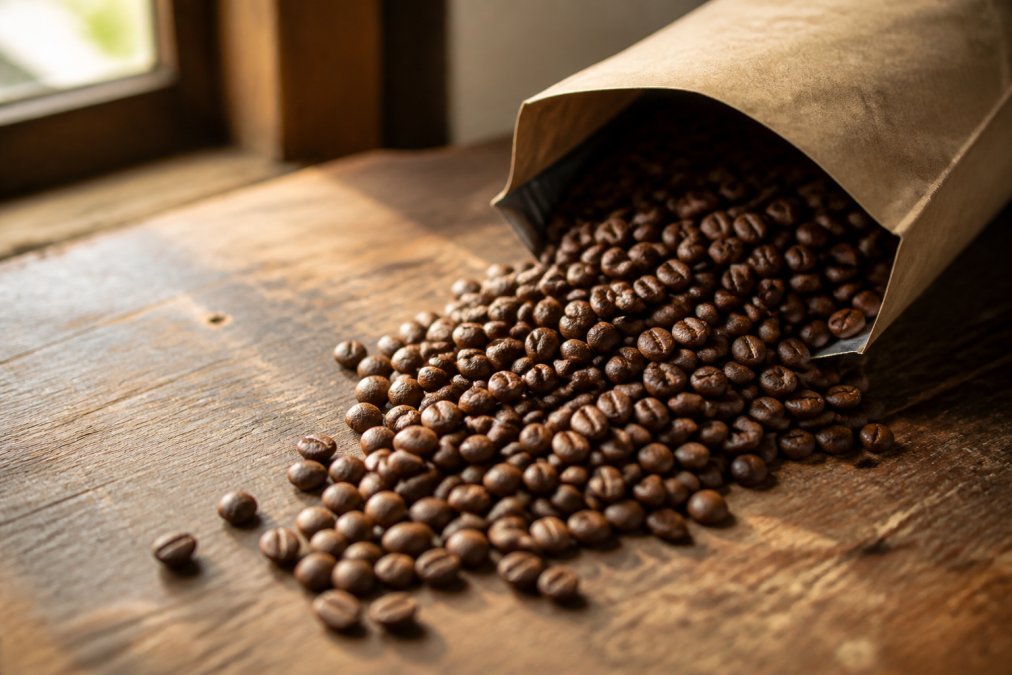
The selection covers genuine breadth: small-batch blends, flavored roasts using real flavoring, single-origin beans with clear sourcing, and pods for convenience. Free shipping on all U.S. orders removes friction that makes other services feel like a penalty.
The pod offering deserves attention. Single-origin coffee in pod format sounds contradictory, but quality holds because the roasting process is identical to the whole bean line. If you split mornings between pour-over and quick pods, you can choose either format to suit your routine.
Pros: Roasted fresh after every order; diverse lineup; free U.S. shipping; 1-5 day processing. Cons: Pricing details require a site visit.
Driftaway Coffee, Best for Single-Origin Enthusiasts
Driftaway’s onboarding is smarter than most. New subscribers receive a tasting kit with four 2-ounce single-origin samples, rate each through a flavor profile system, and subsequent shipments are calibrated to those preferences.
The focus is exclusively single-origin. Shipment sizes run from 8oz to 2 lbs, with weekly, bi-weekly, or monthly frequency. Direct farmer relationships include traceability information in each shipment.
Pros: Guided tasting kit; strong sustainability focus; excellent single-origin quality. Cons: No blends available; pricing runs higher at $14.40 per 8oz shipment.
Atlas Coffee Club, Best for Exploring Global Roast Profiles
Atlas delivers single-origin coffee from a different country each month alongside a postcard, tasting notes, and cultural context. Coffee is roasted to order, keeping freshness competitive.
The limitation is control. Subscribers don’t choose the monthly selection, which works for adventurous drinkers but frustrates those with specific preferences. Half-bag, full-bag, and double-bag options accommodate different consumption rates, though shipping fees apply to all orders.
According to Specialty Coffee Association’s coffee education resources, understanding origin characteristics like altitude, varietal, and processing method significantly improves a drinker’s ability to identify flavor notes. Atlas’s educational inserts are among the better implementations in the subscription space.
Pros: Unique global curation; freshly roasted; educational materials included. Cons: No control over monthly selection; shipping fee on all orders.
Angels’ Cup, Best for Developing Your Palate
Angels’ Cup runs a blind tasting model. Subscribers receive samples from various roasters without labels, record tasting notes through a mobile app, and compare assessments against the roastmaster’s notes after the reveal.
Three tiers exist: the Cupping Flight with four small samples, the Black Box with four larger samples, and the All Stars option with a full bag. The service guarantees no repeated coffees within a year on tasting subscriptions.
Pros: Unique blind tasting format; interactive app; broad roaster variety. Cons: Not personalized to flavor preferences; time-intensive tasting model.
Trade Coffee, Best for Personalized Recommendations
Trade operates as a marketplace connecting subscribers with specialty roasters across the country. The personalization engine matches drinkers to coffees based on a detailed preference quiz, spanning hundreds of options from dozens of roasters.
Flexible delivery schedules run from weekly to custom intervals, with bag sizes from 10oz to 2 lbs. Free shipping applies to orders over a threshold. Coffee quality varies by roaster, and the curated experience depends on how accurately the initial quiz captures your preferences.
Counter Culture Coffee, Best for Sustainability and Traceability
Counter Culture’s sourcing transparency is among the strongest in specialty coffee. Counter Culture Coffee’s annual transparency report publishes detailed information on pricing paid to farmers, sourcing relationships, and environmental practices.
Coffee is roasted to order and ships within two business days. Subscription management is genuinely flexible: pause, skip, or switch coffees at any time. The limitation is variety, Counter Culture is the sole roaster.
Pros: Exceptional sourcing transparency; fresh roasting; flexible subscription management. Cons: Single-roaster model limits variety; less emphasis on personalized matching.
Blue Bottle Coffee, Best for Flexible Scheduling
Blue Bottle’s subscription stands out for scheduling control. Delivery frequency ranges from weekly to every four weeks, bag sizes run from 6oz to 36oz, and complimentary shipping is included on all subscription orders. Subscribers also get early access to new releases.
The selection covers blends, single-origins, and espresso options. Pricing runs higher per ounce for smaller bag sizes.
Pros: Excellent scheduling flexibility; free shipping; high-quality roasting. Cons: Limited selection compared to marketplace services; smaller bags cost more per ounce.
How to Choose a Coffee Subscription That Actually Fits Your Routine
The right artisan coffee subscription depends on three variables: how fast you consume coffee, what brewing method you use, and how much friction you can tolerate in subscription management.
Start with consumption rate. If you drink one cup per day, a monthly 12oz delivery is roughly correct for whole bean coffee. Faster drinkers should look for bi-weekly options or custom intervals. Ordering more than you can consume before freshness degrades defeats the purpose of a small-batch subscription.
Brewing method matters more than most services acknowledge. Espresso requires a finer grind and typically benefits from a darker roast with lower acidity. Pour-over and drip suit medium roasts with higher acidity and brightness. Cold brew needs a coarser grind and a coffee with enough body to hold up through extended steeping.
| Factor | What to Look For | Red Flag |
|---|---|---|
| Freshness | Roast-to-order, roast date on bag | No roast date listed |
| Flexibility | Pause/skip without penalty | Auto-renew with no skip option |
| Grind options | Whole bean + grind size choices | Whole bean only |
| Sourcing | Farm name, altitude, process listed | Vague “origin” label |
| Cancellation | Online self-service | Email or phone required |
Decaf, Low-Acid, and Pod Options Worth Considering
Decaf and low-acid options remain underdeveloped across the subscription market. Many services offer one decaf SKU at most, often processed using methods that strip flavor alongside caffeine. Look for subscriptions that specify their decaffeination process. The Swiss Water Process, which uses water rather than chemical solvents, preserves more of the bean’s original flavor profile.
Low-acid options are typically associated with darker roast profiles or beans grown at lower altitudes. Some subscriptions label these explicitly; most don’t. If acid sensitivity is a concern, contact the service before subscribing.
Pods deserve more credit than the specialty coffee world gives them. Services that roast to order for their pod line, rather than filling pre-manufactured capsules from shelf-stable inventory, produce noticeably better results. Promise Roast Co.’s pod offering falls into this category, making it a practical option for households wanting both convenience and quality.
Cancellation, Pausing, and Customer Service: What to Check Before You Subscribe
Cancellation friction is the most underreported problem in the coffee subscription space. Some services require an email or phone call to cancel, with response windows that conveniently extend past the next billing cycle. Others make it a two-click process in your account dashboard.
Before subscribing, verify three things: whether you can pause or skip shipments without canceling, whether cancellation is self-service through your account, and whether there’s a minimum commitment period.
Coffee Subscription Frequency Guide: How Often Should You Order?
Whole bean coffee stored in an airtight container away from light and heat maintains peak flavor for roughly two to four weeks after the roast date. Ground coffee degrades faster, losing noticeable flavor within a week of grinding.
| Consumption Rate | Recommended Frequency | Bag Size |
|---|---|---|
| 1 cup/day | Monthly | 8-12oz |
| 2 cups/day | Bi-weekly | 12oz |
| 3+ cups/day or household | Weekly | 12-16oz |
| Office or heavy use | Weekly or custom | 2 lbs |
A common mistake is ordering based on price rather than consumption rate. Receiving 12oz every two weeks when you drink one cup per day means the second bag arrives before the first is finished. Stale coffee from a premium subscription is worse than fresh coffee from a cheaper one.
Most subscriptions allow frequency adjustments after the initial order. Evaluate your cadence after the first two deliveries and adjust accordingly.
Best Coffee Brewing Methods for Artisan Beans
Artisan beans deserve a brewing method that reflects their complexity. The method you choose should match the roast profile, the flavor notes listed on the bag, and your tolerance for preparation time.
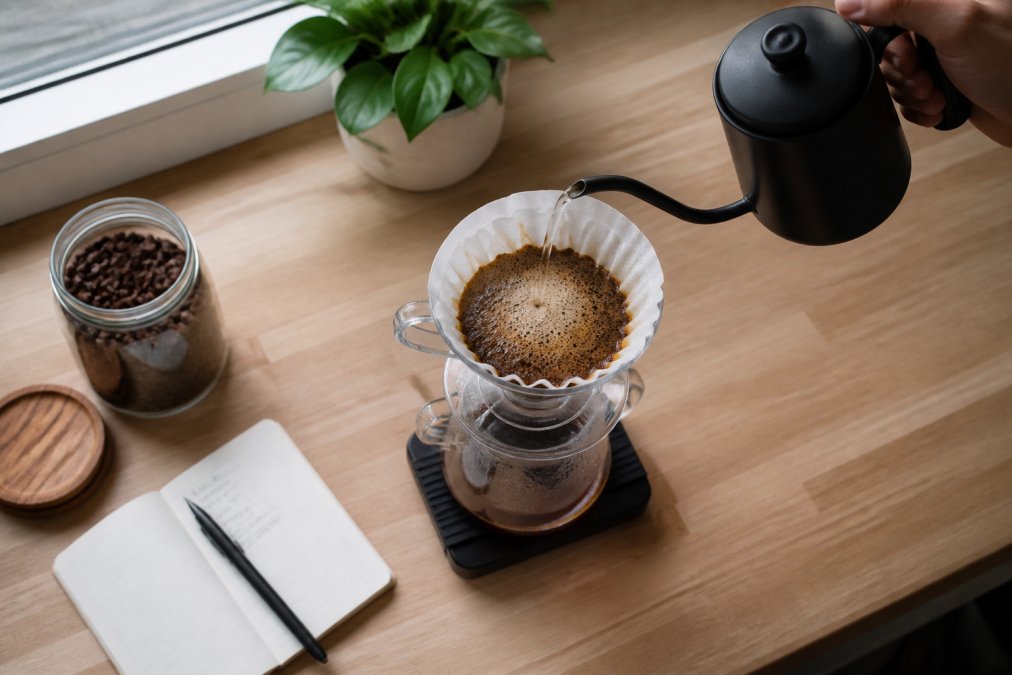
Pour-over is the most revealing method for single-origin coffees, highlighting acidity, brightness, and delicate floral or fruit notes. It’s the right choice for washed-process coffees from high-altitude origins. According to the Specialty Coffee Association’s brewing standards, water temperature between 195°F and 205°F produces the most consistent extraction.
French press suits natural-process and honey-process coffees with heavier body and lower acidity. Espresso rewards darker roast profiles with lower acidity and higher sweetness. Cold brew is practical for subscriptions delivering more coffee than you can brew hot before it peaks, producing a concentrated, low-acid result that stores well for up to two weeks.
Matching Grind Size and Brewing Method to Your Subscription
Grind size should be calibrated to your specific brewing method and adjusted as you move through different roast profiles.
- Coarse grind: French press, cold brew, percolator
- Medium-coarse grind: Chemex, Clever Dripper
- Medium grind: Drip machine, pour-over (Melitta-style)
- Medium-fine grind: Pour-over (V60, Kalita Wave)
- Fine grind: Espresso, Moka pot
- Extra-fine grind: Turkish coffee
If your subscription ships pre-ground coffee, specify the grind size matching your primary brewing method. For whole bean subscribers using a burr grinder, lighter roasts typically benefit from a slightly finer grind than darker roasts at the same brew method, because the cell structure is denser and requires more surface area to extract evenly.
Finding the right artisan coffee subscription takes more than picking the most popular name. The services that consistently deliver the best experience share one trait: they roast after the order is placed. Promise Roast Co. builds its entire model around this principle, with small-batch roasting, a 1-5 day processing window, and free U.S. shipping across its full lineup, including blends, single-origins, flavored roasts, and pods. Shop coffee at Promise Roast Co. and find the roast that fits your morning.
Frequently Asked Questions
What should I look for in an artisan coffee subscription?
Focus on four things: roasting date transparency, delivery flexibility, bean sourcing, and cancellation ease. The best artisan coffee subscriptions roast to order or ship within days of roasting, clearly print the roasting date on the bag, and let you adjust frequency without calling customer service. Single-origin options should include tasting notes and processing method details. If a service doesn’t tell you when the coffee was roasted, freshness is likely not a priority for them.
How does a coffee subscription ensure peak freshness?
Freshness comes down to two things: how recently the beans were roasted and how quickly they reach you. Specialty coffee hits its flavor peak roughly 5 to 14 days after roasting, once it has finished degassing. Roast-to-order purchases from Promise Roast Co. give you the narrowest gap between roast and cup. Check for a printed roasting date on every bag. Whole bean coffee also stays fresh longer than pre-ground, so grind immediately before brewing when possible.
Is a coffee subscription worth the cost for daily drinkers?
For daily drinkers, a subscription almost always pays off in consistency and convenience. You avoid running out mid-week, and freshly roasted small-batch beans deliver noticeably better flavor than grocery-store coffee that may have sat on a shelf for months. The value comparison shifts when you factor in free shipping offers, which many subscriptions include. If you go through at least half a bag per week, the per-cup cost of a quality artisan subscription is competitive with a daily café visit.
What is the difference between single-origin and blended coffee subscriptions?
Single-origin coffees come from one farm, region, or cooperative, which makes the flavor profile more distinct and traceable. You’ll notice specific tasting notes tied to altitude, varietal, and processing method, whether washed, natural, or honey process. Blended coffees combine beans from multiple origins to hit a consistent, balanced flavor profile across every roast. Single-origin subscriptions suit curious drinkers who enjoy exploring acidity and body variations. Blends work better for those who want a reliable, familiar cup every morning.
Can I get artisan coffee subscription pods without sacrificing quality?
Yes, though the quality gap between pods and whole bean has narrowed considerably. The key is finding a roaster that fills pods with freshly roasted, specialty-grade coffee rather than commodity blends. Promise Roast Co. offers pods sourced from the same small-batch roasting process as their whole bean offerings. Look for pods that list a roasting date and use single-origin or named-blend coffee inside. Avoid pods where the only listed detail is roast level, which usually signals lower-grade sourcing.
This article was written using GrandRanker