Shopping at Promise Roast Co.: This store currently offers one-time purchases. Automatic recurring subscriptions are not available. Subscription services discussed below are general comparisons. See current products and pricing.
Table of Contents
- Bulk Coffee Pricing: What You Actually Pay Per Ounce
- The Hidden Costs of Buying Coffee in Bulk
- Coffee Bean Shelf Life and What Air Does to Flavor
- How to Store Coffee Beans for Freshness and Slow Oxidation
- Bulk vs. Subscription vs. Small-Batch: A Side-by-Side Comparison
- The Benefits of Small-Batch Roasted Coffee Over Bulk Buying
- Which Buying Strategy Actually Saves You Money?
Last Updated: August 21, 2026
Bulk Coffee Pricing: What You Actually Pay Per Ounce
Most people assume buying coffee in bulk is automatically cheaper. The logic seems airtight: bigger bag, lower price per pound, done. But the real math is more complicated than the sticker price suggests, and at Promise Roast Co., we’ve seen firsthand how the “bulk is cheaper” assumption quietly costs coffee drinkers both money and flavor.
Unit price differences between bulk and smaller quantities are real. Retail markup on small-format packaging is substantial, as the cost of the bag, label, and shelf space all factor into what you pay. Wholesale pricing strips away some of that overhead, which is where the savings originate.
But here’s what changes the calculation entirely: price per pound only tells you what you paid, not what you actually got.
Whole Bean vs. Pre-Ground: Which Costs Less?
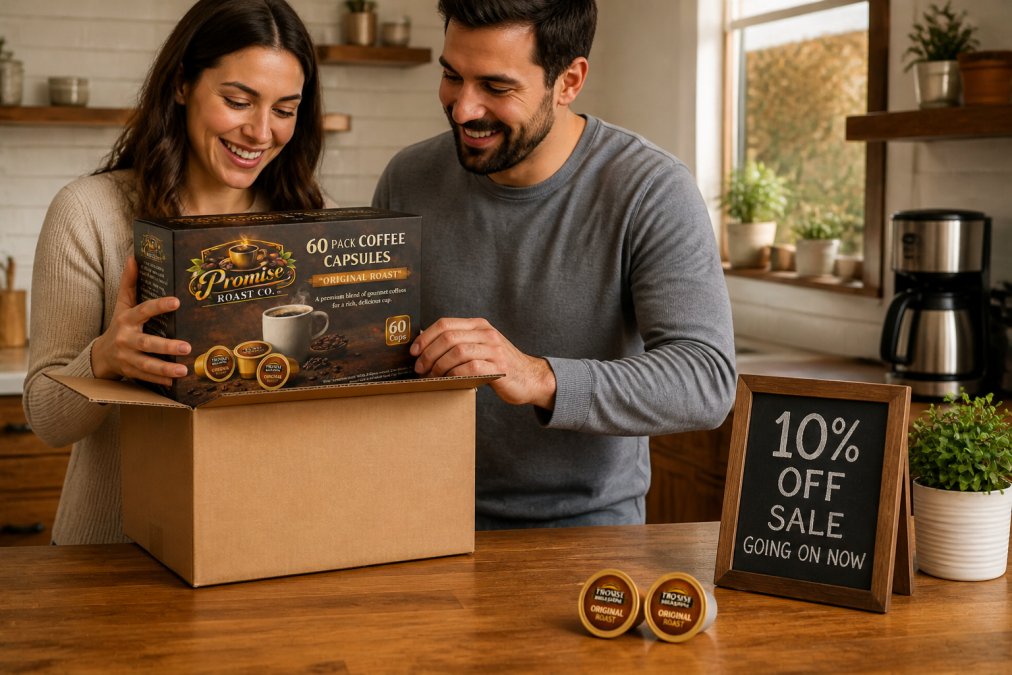
Whole bean coffee typically costs slightly more per pound than pre-ground at purchase, but that gap inverts once you factor in freshness. Pre-ground coffee begins oxidizing immediately after processing. Grind consistency degrades, aroma retention drops, and flavor flattens within days of opening. Whole bean coffee, stored correctly, holds its character significantly longer.
For bulk buyers, this distinction is critical. A pre-ground bulk purchase sitting in your pantry for six weeks has already lost most of its value. The cost per usable, flavorful ounce is far higher than the unit price implies.
Retail Markup, Wholesale Pricing, and Where the Savings Hide
Retail coffee pricing includes packaging costs, distribution margins, and shelf-space fees unrelated to bean quality. Warehouse or large-format bag purchases bypass some of these layers. The savings are real but front-loaded, they show up at checkout and disappear over weeks as the coffee degrades.
The honest answer: bulk buying saves money on commodity-grade coffee purchased and consumed rapidly. For specialty roasts or single-origin varieties where flavor matters, the math shifts.
The Hidden Costs of Buying Coffee in Bulk
Bulk pricing looks clean on paper. The hidden costs accumulate in your kitchen.
Storage Equipment Investment and ROI
Proper bulk coffee storage requires airtight containers, ideally with vacuum-sealing capability, to slow oxidation. Quality vacuum-sealed canisters cost money upfront. Multi-pound bulk lots may require several containers. The equipment investment ROI depends entirely on how fast you consume coffee. If you drink several cups daily and cycle through a pound every week or two, the overhead is manageable. If you drink one or two cups per day and a pound lasts three to four weeks, the math becomes harder to justify.
Waste, Stale Beans, and the Real Cost of Bulk Degradation
This is where bulk buying most often fails the casual or moderate coffee drinker. Once coffee is exposed to air, oxidation begins immediately. The flavor compounds, volatile aromatics, and subtle notes that make specialty coffee worth seeking out begin breaking down from the moment the bag opens.
A common mistake is buying a three-pound bulk bag and treating it like a pantry staple. By the bottom, you’re brewing with flat, papery, or sour-tasting coffee. You paid for a premium experience and received a mediocre one. The waste isn’t just discarded grounds, it’s every cup that didn’t taste as it should have.
According to the Specialty Coffee Association’s guidance on coffee freshness, ground coffee reaches peak flavor within days of roasting and degrades significantly within weeks. Whole beans hold longer, but not indefinitely.
If you’re not an avid daily or hourly coffee drinker, buying bulk will degrade the coffee flavor over time once it’s exposed to air. That’s not a caveat, it’s the central issue with bulk purchasing for most households.
Coffee Bean Shelf Life and What Air Does to Flavor
Coffee bean shelf life is one of the most misunderstood variables in the buy-bulk equation. It’s the window between roasting and the point where oxidation has degraded flavor compounds enough to produce a noticeably inferior cup.
Roasted whole beans, sealed and stored away from heat, light, and moisture, hold reasonable quality for two to four weeks after roasting. Pre-ground coffee compresses that window to days, not weeks, for peak flavor.
The villain is oxygen. Oxidation breaks down the aromatic oils responsible for aroma and flavor complexity. Light and heat accelerate the process. Commodity bulk options rarely mention roast dates, the coffee may have been roasted weeks or months before reaching your shelf.
What air does to flavor is straightforward: it strips it. A freshly roasted bean smells like the cup it promises. A bean sitting in a warehouse, distribution center, and retail shelf for two months smells like very little. The flavor profile collapses, and extraction yield drops because degraded beans don’t release compounds efficiently during brewing.
Research on coffee oxidation and flavor degradation from the Institute of Food Technologists confirms that volatile aromatic compounds begin dissipating within hours of air exposure, with measurable flavor loss occurring within days.
How to Store Coffee Beans for Freshness and Slow Oxidation
Knowing how to store coffee beans for freshness is the single most important skill for anyone buying coffee in quantity. The goal is to minimize four enemies: oxygen, light, heat, and moisture.
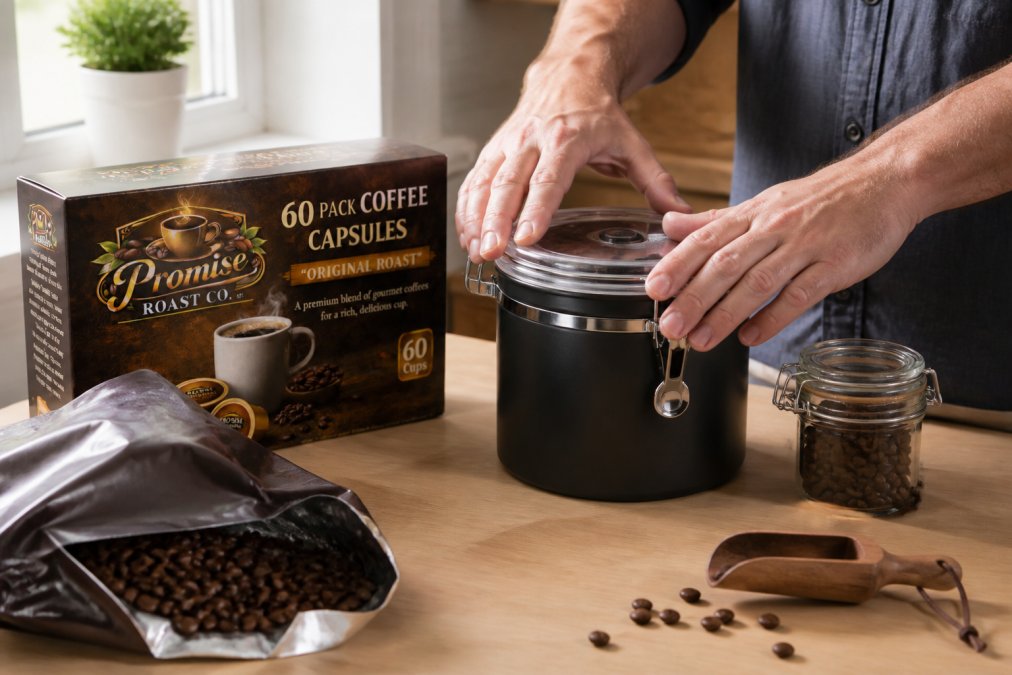
The best approach for storing coffee beans:
- Use an opaque, airtight container. Clear glass exposes beans to light. Ceramic or dark-tinted canisters with airtight seals are better.
- Vacuum-seal when possible. Vacuum sealing removes oxygen that drives oxidation. One-way valve bags, which allow CO2 from fresh beans to escape without letting oxygen in, are particularly effective.
- Keep it cool and dark. A pantry shelf away from the stove works well. Avoid the refrigerator due to moisture; the freezer can work for long-term storage with proper sealing.
- Buy only what you’ll use in two weeks. No container eliminates degradation, it only slows it.
For whole beans, these steps meaningfully extend freshness. For pre-ground coffee, even perfect storage only delays the inevitable.
Bulk vs. Subscription vs. Small-Batch: A Side-by-Side Comparison
The real question isn’t just “is it cheaper to buy coffee bulk”, it’s which purchasing strategy delivers the best value across price, freshness, and convenience.
| Buying Strategy | Upfront Cost | Freshness | Best For | Waste Risk |
|---|---|---|---|---|
| Bulk (warehouse/wholesale) | Lowest per oz | Lowest | High-volume daily drinkers | High |
| Retail (small bags) | Highest per oz | Moderate | Occasional drinkers | Low |
| Subscription | Moderate per oz | Moderate to high | Consistent drinkers | Low |
| Small-batch roasted to order | Moderate per oz | Highest | Quality-focused drinkers | Very low |
Bulk buying wins on unit price and loses on freshness. Retail small bags offer convenience but carry the highest cost per ounce. Subscriptions split the difference with regular delivery and reasonable freshness, though roast dates depend on the provider’s inventory practices.
Small-batch, roasted-to-order coffee sits in a different category. The cost per ounce is higher than bulk warehouse pricing, but you’re paying for coffee at peak flavor, not coffee sitting in supply chain for weeks.
The Benefits of Small-Batch Roasted Coffee Over Bulk Buying
The benefits of small-batch roasted coffee are clearest when you compare the cup, not the receipt. Small-batch roasting means each order is processed in limited quantities, allowing for tighter quality control, more precise roast profiles, and faster turnaround from roast to delivery.
When coffee is roasted to order, it ships within days of roasting. The bean arrives at your door at or near peak flavor, not weeks past it. That’s fundamentally different from opening a bulk bag roasted at an undisclosed time before warehouse storage.
For coffee enthusiasts who care about single-origin varieties or specific flavor profiles, freshness isn’t a preference, it’s a prerequisite. Oxidation doesn’t just flatten flavor; it erases the nuance that makes specialty coffee worth the attention.
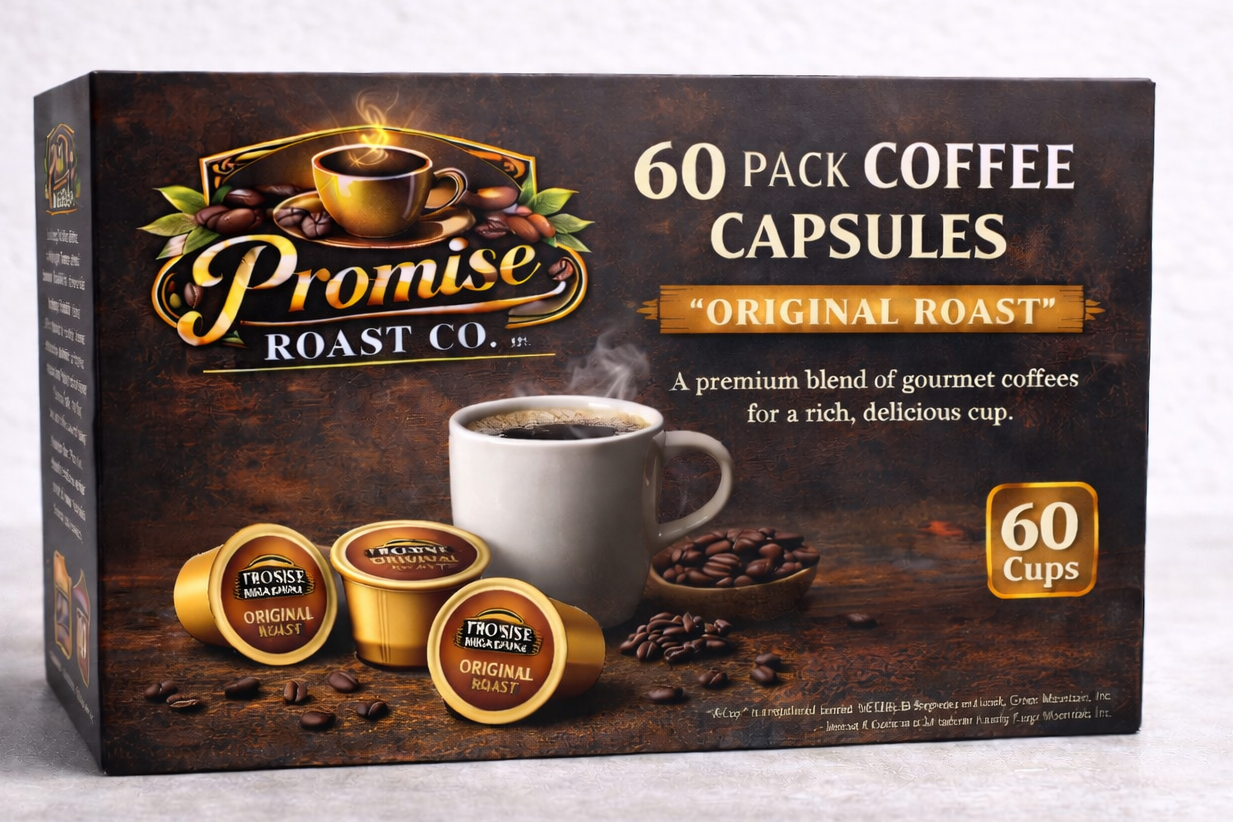
At Promise Roast Co., every order is roasted fresh after it's placed. Check the product page for current pricing, package size, and available options. To compare cost per serving, divide the current package price by the number of servings you actually brew. Explore: 60 Pack Single Serve Coffee Capsules · 12 Pack Single Serve Coffee Capsules · Instant Coffee.
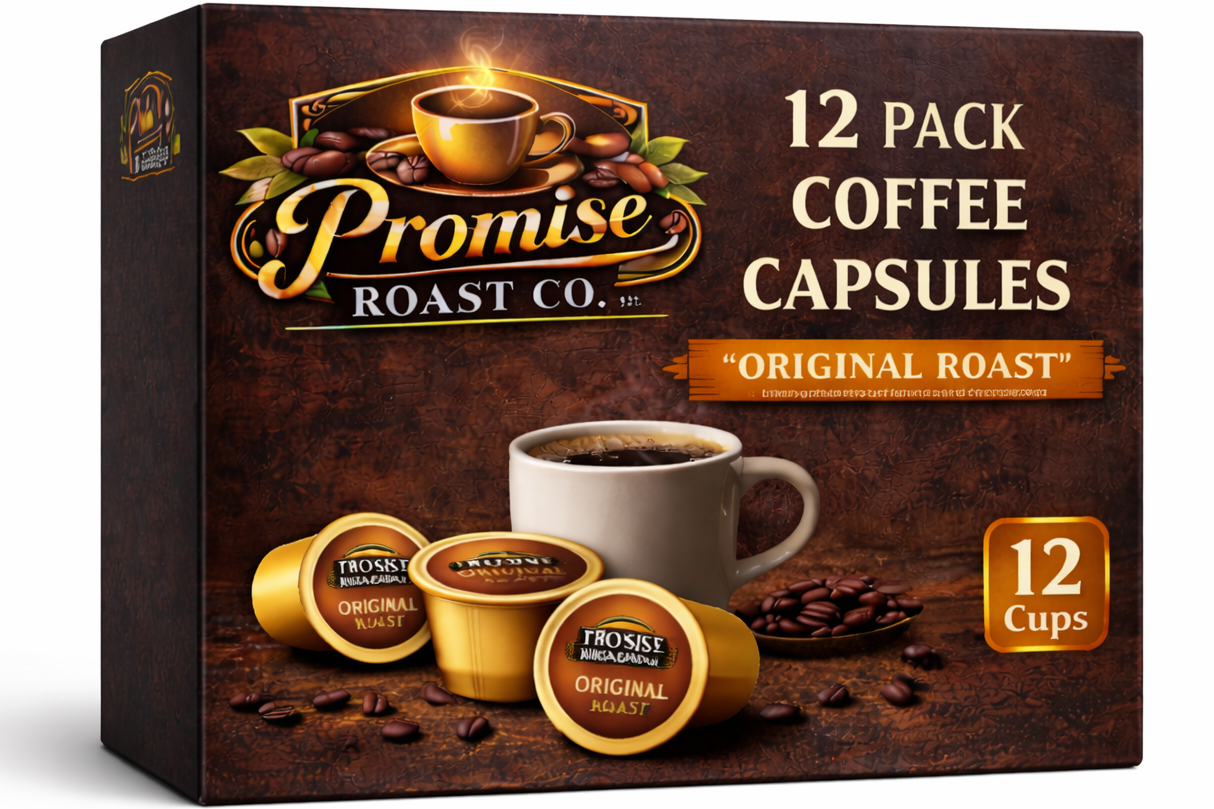
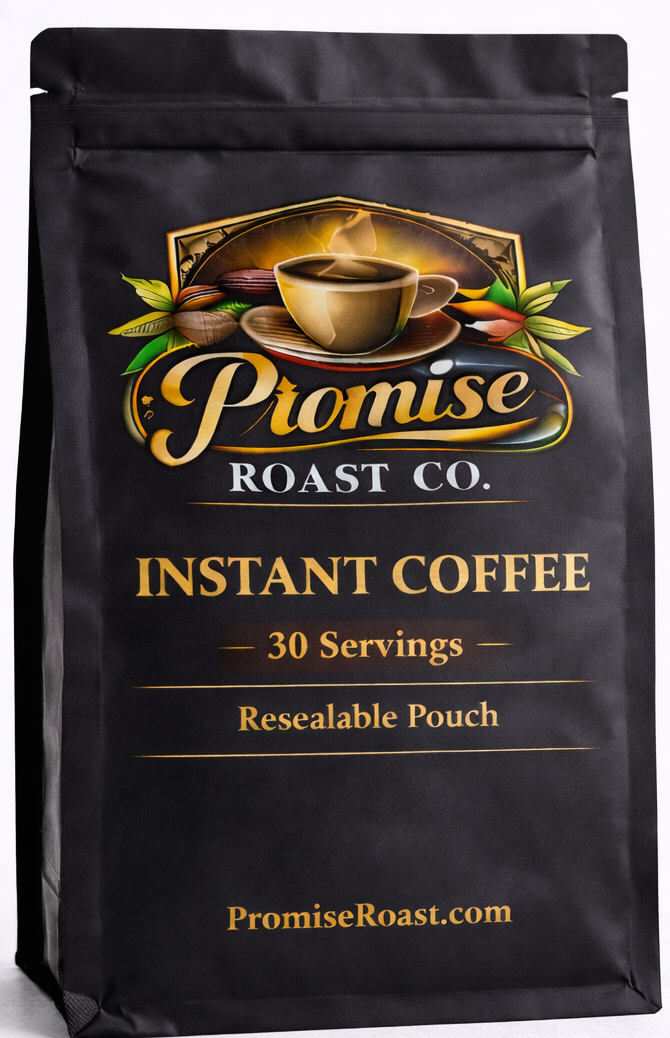
USDA Agricultural Marketing Service guidelines on specialty coffee grading and quality standards outline the quality benchmarks that distinguish specialty-grade coffee from commodity-grade beans.
The environmental side is worth noting too. Bulk purchasing often generates more packaging waste when beans go stale and get discarded. Small-batch orders sized to your actual consumption rate produce less waste overall, even accounting for individual packaging.
Which Buying Strategy Actually Saves You Money?
The answer depends entirely on your consumption rate, storage discipline, and what you consider “savings.”
If you drink multiple cups daily, cycle through a pound every week, have proper vacuum-sealed storage, and prioritize price per ounce, bulk buying probably saves you money. You’re consuming fast enough that oxidation doesn’t significantly degrade your experience before the bag is gone.
If you drink one or two cups a day and care about what’s in the cup, bulk buying likely costs you more in degraded quality than it saves in unit price. The cost-benefit analysis flips when you account for the flavor you’re not getting.
A practical framework for deciding:
- You consume 1+ pounds per week: Bulk buying is worth evaluating. Invest in proper storage and buy from a roaster who publishes roast dates.
- You consume less than 1 pound per week: Small-batch or subscription purchasing will almost certainly deliver better value per enjoyable cup.
- You value specific flavor profiles or single-origin beans: Freshness is non-negotiable. Buy small, buy fresh.
- You want maximum convenience without sacrificing quality: Sealed capsules at peak freshness offer a genuine middle ground, no grinding, no storage anxiety, no stale-bean waste.
The sticker price on a bulk bag is real. So is the long-term value lost to oxidation, the storage equipment you need to buy, and the flat cups you’ll drink toward the end of a three-pound bag. Factor all of it in before deciding bulk is the cheaper choice.
As the National Coffee Association’s consumer guidance on coffee freshness and storage notes, proper storage and freshness management are as important as the coffee itself when it comes to final cup quality. That’s the part the bulk-is-cheaper argument consistently leaves out.
Frequently Asked Questions
Is it cheaper to buy coffee in bulk or smaller batches?
The sticker price per pound is almost always lower when you buy coffee bulk, but that calculation ignores freshness loss. Once a bag is opened, oxidation begins immediately and flavor degrades within days to weeks. If you don’t drink coffee daily, you’ll likely discard a portion of what you bought. Factor in storage containers and wasted beans, and the per-cup cost of bulk buying often matches or exceeds smaller, fresher purchases.
How does air exposure affect the flavor of bulk coffee?
Oxygen is the primary enemy of roasted coffee. Once beans are exposed to air, oxidation breaks down the aromatic compounds responsible for a coffee’s flavor profile and aroma retention. Pre-ground coffee loses freshness even faster because grinding increases the surface area exposed to oxygen. Whole bean coffee fares better, but without vacuum sealing, even whole beans go noticeably flat within two to three weeks of opening.
What is the best way to store coffee to maintain peak freshness?
Store coffee beans in an airtight, opaque container away from heat, light, and moisture. Vacuum-sealed canisters slow oxidation most effectively. Avoid the refrigerator, condensation introduces moisture that accelerates staleness. Freeze only unopened, sealed bags for long-term storage, and let them return fully to room temperature before opening. For daily drinkers, buying smaller quantities more frequently is the most reliable way to protect flavor profile and grind consistency.
Do coffee capsules or pods stay fresher than bulk ground coffee?
Yes, sealed capsules preserve freshness far longer than an open bag of pre-ground coffee. Each capsule is individually sealed with no oxygen inside, protecting aroma retention and flavor until the moment you brew. For people who drink one or two cups a day, capsules offer consistent extraction yield and grind consistency without the freshness trade-off that comes with a large bulk bag sitting open on the counter.
The real cost of buying coffee in bulk isn’t just what you pay at checkout, it’s what you lose in flavor by the time you reach the bottom of the bag. Promise Roast Co. roasts every order fresh, seals it at peak quality, and ships with free U.S. shipping so you get the cup you paid for, not a shadow of it. Shop Coffee at Promise Roast Co. and taste the difference that roasting-to-order actually makes.
This article was written using GrandRanker