Table of Contents
- What Makes Flavored Coffee Taste Natural
- The Difference Between Natural and Artificial Flavoring
- Coffee Additives to Avoid
- Naturally Flavored Coffee Beans Worth Trying
- How to Flavor Coffee Naturally at Home
- Brewing Tips That Preserve Natural Flavor
- Conclusion
Last Updated: August 22, 2026
What Makes Flavored Coffee Taste Natural
The difference between authentic flavored coffee and artificially-tasting coffee comes down to how flavoring is applied and what ingredients are used. Natural flavoring comes from essential oils, plant extracts, and real ingredients like vanilla beans, cinnamon, and hazelnut, added during or immediately after roasting when beans are still porous and absorbent. This creates integrated flavor rather than a sprayed-on taste.
At Promise Roast Co., we understand that freshness matters as much as the flavoring method. Coffee roasted to order and shipped within days retains vibrant, true flavors. Coffee sitting in warehouses for months loses aromatic compounds, which is why stale coffee often tastes flat or artificial regardless of how it was originally flavored.
The key indicator of genuine natural flavoring is the absence of chemical compounds. Naturally flavored coffee should have a smooth finish without lingering artificial sweetness or chemical aftertaste. The aroma should be inviting and true to the flavor profile, vanilla should smell like vanilla, not synthetic.
The Difference Between Natural and Artificial Flavoring
Natural flavoring is derived from real plant sources. Vanilla comes from vanilla beans, caramel from heated sugars combined with natural ingredients, and hazelnut from actual hazelnuts or extracts. Artificial flavoring is synthesized in a lab. While the resulting molecule may be chemically identical to nature, the source and production method differ entirely. Artificial vanilla is often created from guaiacol, derived from wood pulp or petroleum.
The practical difference is significant. Natural flavorings have complexity and depth because they contain multiple flavor compounds alongside the primary note. Artificial flavorings are often single-note and taste thin or chemical. Natural vanilla extract brings subtle woody and floral notes; artificial vanilla brings the vanilla note plus an unpleasant chemical undertone.
Natural flavor compounds develop and evolve over time, which is why freshly roasted flavored coffee tastes noticeably better than aged coffee. Artificial flavorings remain static or degrade unpredictably, making older coffee with artificial flavoring taste worse.
FDA guidance on natural and artificial flavoring definitions
Coffee Additives to Avoid
When shopping for flavored coffee without artificial taste, knowing what to avoid matters as much as knowing what to look for.
The first red flag is “flavor” without specification. If a label says “natural flavor” but doesn’t specify vanilla extract, cinnamon, or hazelnut, the manufacturer is being intentionally vague. Quality producers specify their flavoring agents.
Preservatives signal that coffee isn’t roasted fresh or shipped quickly. BHA, BHT, and TBHQ are unnecessary if coffee is roasted to order. A long preservative list indicates extended storage, which degrades both coffee quality and natural flavors.
Fillers and bulking agents dilute flavor and reduce quality. Quality roasters don’t need them. Artificial sweeteners in pre-made products create distinctive artificial aftertaste. Real sugar or natural sweeteners like honey are better choices.
Palm oil and cheap oils are associated with lower-quality production. Premium flavored coffees use higher-quality oils and extracts. Synthetic vanilla (vanillin from petroleum or wood pulp) is common in mass-market flavored coffee. Contacting the roaster directly can confirm whether they use real vanilla extract or synthetic vanillin.
Naturally Flavored Coffee Beans Worth Trying
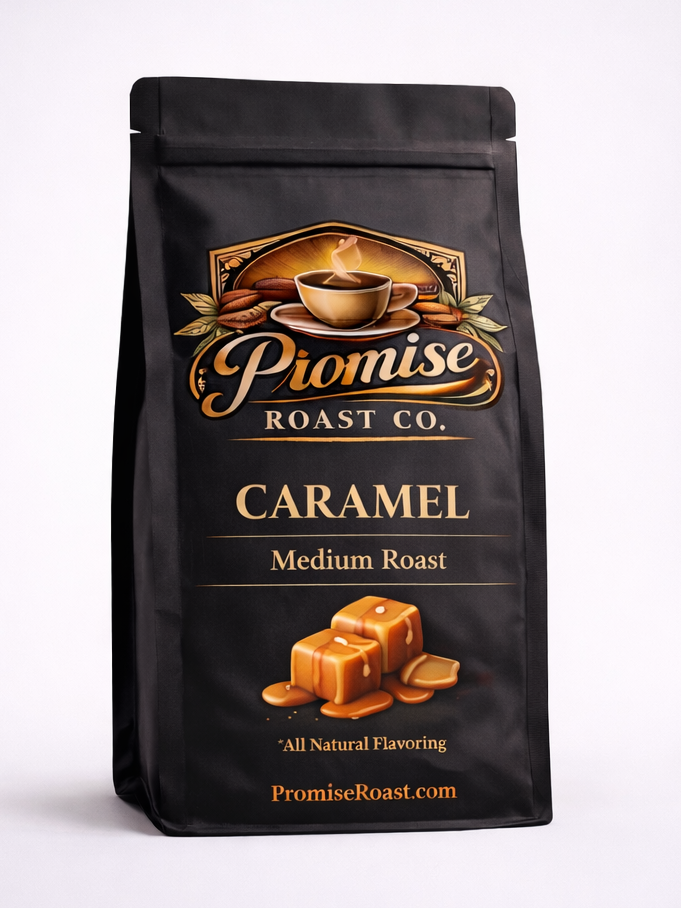
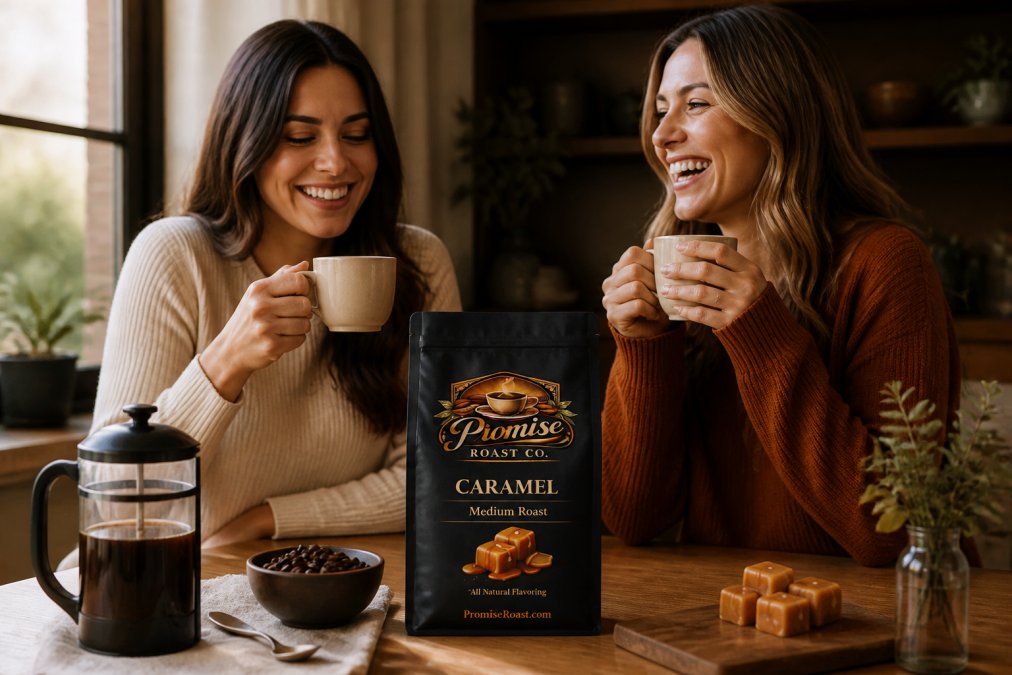
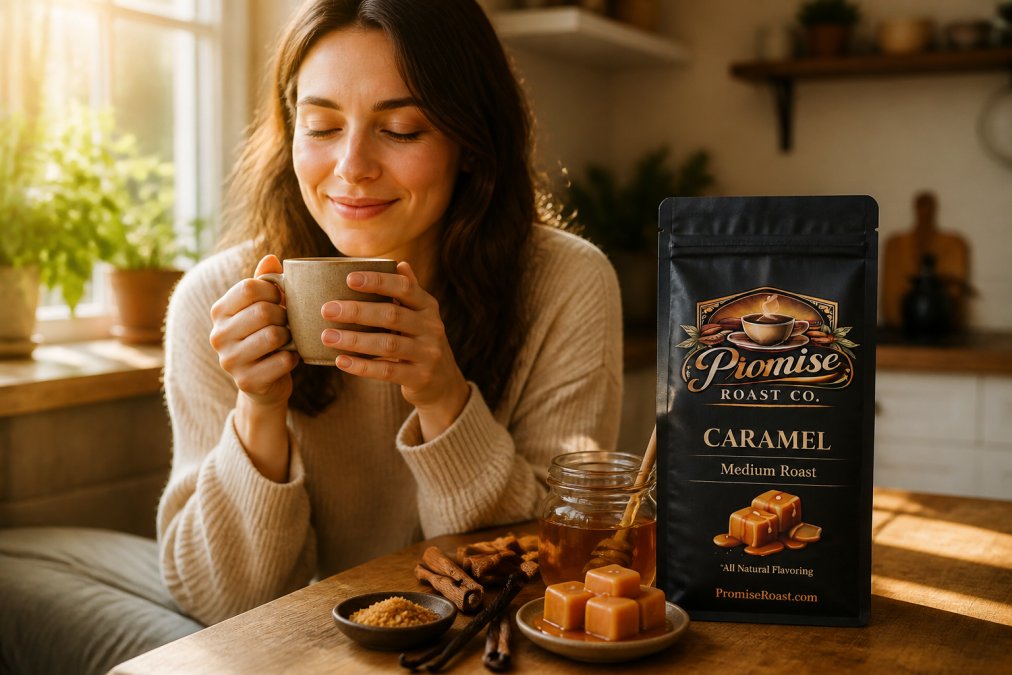
The best flavored coffee combines quality beans with genuine natural flavoring. Promise Roast Co.'s Caramel is a medium roast demonstrating how natural flavoring should work. Sweet, buttery caramel notes come from all-natural flavoring applied to premium beans, creating a smooth finish without chemical aftertaste. Roasted fresh after your order, the caramel notes remain vibrant. Check the product page for current pricing, package size, and available options. To compare cost per serving, divide the current package price by the number of servings you actually brew.
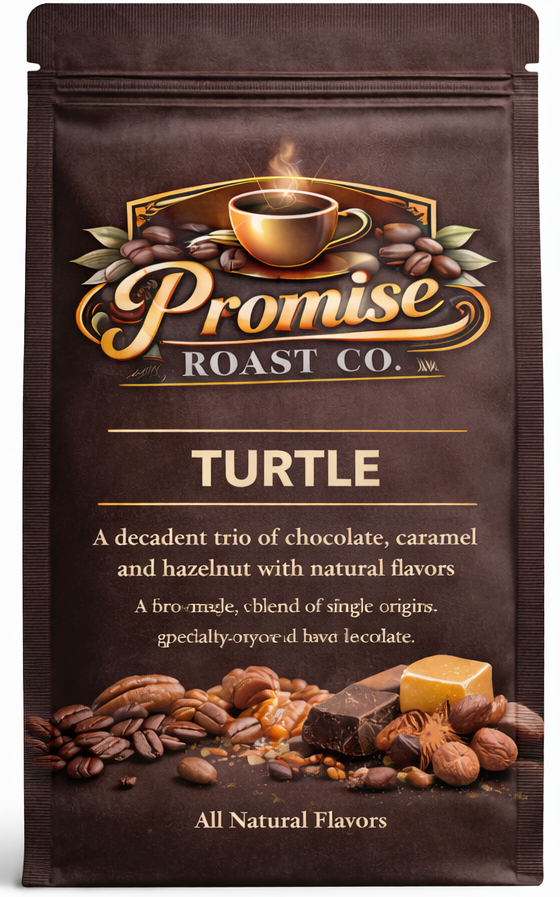
The Turtle blend combines chocolate, caramel, and hazelnut using all-natural flavors. The combination creates complexity that single-flavor coffees can’t match and works equally well hot or iced.
When evaluating naturally flavored beans, look for roasters specifying flavor sources. A roaster willing to say “Madagascar vanilla extract” or “roasted hazelnut oil” is confident in their ingredients. Roasters hiding behind vague language may be cutting corners.
Choose flavorings that suit your preferences and check the product’s ingredient and certification information. Brewing temperature can change how flavor notes come through, so ask the roaster for preparation recommendations.
How to Flavor Coffee Naturally at Home
Making naturally flavored coffee at home gives you complete control over ingredients and flavor intensity.
The simplest method is infusing whole beans with natural flavoring. Split a vanilla bean lengthwise and place it in an airtight container with whole beans for 3-5 days. The vanilla aromatics gradually infuse into the beans. This method works with cinnamon sticks, cardamom pods, or dried orange peel.
Another approach is creating flavored simple syrups. Heat equal parts water and sugar until dissolved, then add your flavoring while warm. Vanilla extract, cinnamon, honey, or crushed hazelnuts can steep for 10-15 minutes, then be strained. This syrup keeps refrigerated for two weeks.
Essential oils offer concentrated natural flavoring but require careful handling. Food-grade essential oils like vanilla, almond, or hazelnut can be added sparingly, a single drop flavors an entire cup. Mix the essential oil into cream or milk first, as essential oils don’t dissolve well in water alone.
Whole spice infusion during brewing works well. Add a cinnamon stick, cardamom pods, or star anise to your grounds before brewing. This method works best with French press or pour-over brewing.
For cold brew, place whole beans in cold water with your flavoring and steep for 12-24 hours. Cold water extracts flavor more gently, resulting in a smoother base that pairs beautifully with subtle natural flavorings.
Nut butters add natural flavor and richness. A teaspoon of almond butter, hazelnut butter, or tahini stirred into hot coffee creates a creamy, naturally flavored drink without added sweeteners or artificial ingredients.
The key to successful home flavoring is starting with quality coffee. Fresh, well-roasted coffee provides the foundation that natural flavorings enhance.
Brewing Tips That Preserve Natural Flavor
How you brew flavored coffee matters as much as the coffee itself.
Water temperature is critical. Brewing at 195-205°F extracts flavors without over-extracting bitter compounds that mask subtle notes (sca.coffee). Water above 210°F creates astringent taste interfering with natural flavors. Water below 190°F under-extracts and produces thin cups where flavoring seems disconnected.
Brew time affects flavor extraction. Espresso should pull in 25-30 seconds. Pour-over should brew in 3-4 minutes. French press should steep for 4 minutes. Longer times over-extract and create bitterness competing with natural flavors.
Grind size matters significantly. Medium grind works well for most methods, fine enough to extract full character but not so fine that you over-extract and create bitterness overshadowing natural flavoring.
Filtered water free of chlorine and mineral deposits allows true flavors to shine. If your tap water is heavily chlorinated or very hard, a simple water filter noticeably improves your cup.
Specialty Coffee Association brewing standards and recommendations
Freshness of beans is non-negotiable. Coffee loses aromatic compounds within days of roasting. By two weeks, significant flavor complexity is lost. By a month, coffee tastes noticeably stale. For naturally flavored coffee, delicate flavor notes fade faster than base coffee characteristics. Ordering from roasters like Promise Roast Co. who roast to order ensures beans arrive at peak freshness, typically within 1-5 days of roasting.
Keep beans in an airtight container away from light, heat, and moisture. Room-temperature storage in an opaque, airtight container is ideal. Ground coffee loses flavor faster than whole beans, so grind immediately before brewing.
For iced coffee, brew hot coffee using the methods above, then cool quickly by pouring over ice. This preserves flavor better than cold brewing alone, which can under-extract and create a thinner cup.
Finding the best flavored coffee without artificial taste comes down to three elements: quality beans, genuine natural flavoring, and freshness. Most commercial coffee sits in warehouses losing flavor for weeks or months before reaching your cup, which is why even naturally flavored options often taste muted or artificial by the time you brew them.
Promise Roast Co. addresses this directly by roasting every order individually and shipping within days, ensuring your flavored coffee arrives at peak freshness. Whether you choose the smooth buttery notes of Caramel or the dessert-inspired complexity of Turtle, you’re getting beans roasted fresh after your order, with all-natural flavoring that tastes genuine in every cup. Shop Coffee to explore flavored roasts designed for people who refuse to compromise on quality or taste.
Frequently Asked Questions
What coffee is not artificially flavored?
Coffee with all-natural flavoring uses essential oils and extracts from real ingredients like vanilla, caramel, and hazelnut rather than synthetic compounds. Look for bags labeled ‘all-natural flavoring’ or ‘naturally flavored coffee beans.’ Premium roasters like Promise Roast Co. disclose their flavoring methods on the label. Single-origin and specialty-grade coffees without added flavoring are also naturally free from artificial additives. Check the ingredient list to confirm no preservatives or synthetic flavor compounds are present.
How can you tell if coffee flavoring is natural or artificial?
Read the ingredient information and ask the seller when a flavoring source is unclear. A missing “all-natural” claim does not establish that synthetic additives are present. Flavor preferences and ingredient requirements vary from person to person.
What coffee additives should I avoid?
Choose products based on the listed ingredients, your preferences, and any known allergies or sensitivities. “Natural” and “artificial” do not by themselves establish whether an ingredient is suitable for you. Ask the seller for ingredient and allergen details when needed.
Does roasting method affect how natural flavoring holds up in coffee?
Yes, roast profile significantly impacts flavor retention. Medium roasts preserve delicate natural flavors better than dark roasts, which can mask subtle notes under char and bitterness. Light roasts highlight the original bean’s acidity and origin character, making added natural flavoring more noticeable. The timing of flavor infusion during roasting matters too: quality roasters apply flavoring after cooling to protect essential oils and extracts from heat damage. Small-batch roasters who roast fresh after your order can optimize this process, ensuring the natural flavoring stays vibrant and clean rather than becoming muted or burnt.
This article was written using GrandRanker