Shopping at Promise Roast Co.: This store currently offers one-time purchases. Automatic recurring subscriptions are not available. Subscription services discussed below are general comparisons. See current products and pricing.
Table of Contents
- What Makes Small-Batch Coffee Different From Mass-Produced Options
- Benefits of Small-Batch Roasted Coffee for Flavor and Freshness
- How to Tell if Coffee Beans Are Fresh: Key Indicators
- Fresh Roasted Coffee Subscription vs. One-Time Purchase Models
- Single-Origin Beans and Flavor Profiles: Espresso vs. Drip Brewing
- Storage and Shelf Life: Protecting Small-Batch Bean Integrity
- Cost-Benefit Analysis: Premium Small-Batch vs. Bulk Coffee
- Frequently Asked Questions
Last Updated: September 4, 2026
What Makes Small-Batch Coffee Different From Mass-Produced Options
Small-batch roasters control the entire process in small, focused quantities, typically a few pounds to a few dozen pounds per roast, giving precise control over the roasting curve. Mass-produced coffee is roasted in massive drums processing thousands of pounds at once, prioritizing consistency and shelf stability over flavor development.
This control matters because coffee beans are agricultural products. A batch from one farm behaves differently than another, and harvests vary by season. Commercial roasters roast to a uniform profile that works acceptably for everything. Small-batch roasters adjust temperature, airflow, and time for each specific bean, producing the distinct tasting notes that define specialty coffee.
The other major difference is timing. Mass-produced coffee sits in warehouses for months after roasting. Small-batch operations, especially those that roast to order, ship beans only days past their roast date, the entire freshness advantage.
Benefits of Small-Batch Roasted Coffee for Flavor and Freshness
Small-batch roasted coffee delivers peak flavor development and minimal time between roast and cup. Small-batch roasters monitor beans throughout the roast, pulling them at the exact moment the flavor profile peaks, impossible at commercial scale, where beans follow a predetermined schedule.
Freshness compounds the flavor advantage. Beans release carbon dioxide for days after roasting (degassing) and oxidize over time, dulling character. Whole bean coffee peaks a few days after roasting, once roast gases settle but before oxidation flattens the cup (peer-reviewed research). Roasting to order delivers beans in that ideal window rather than weeks or months past it.
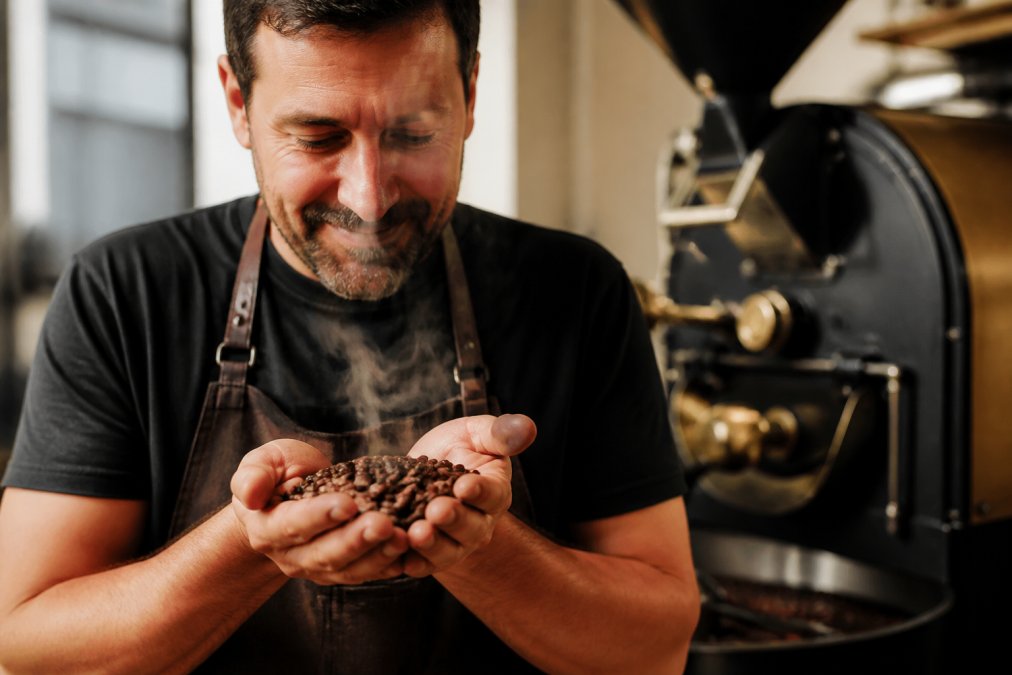
Small-batch roasting enables better quality control: roasters sort each batch, remove defects, and reject roasts that miss standards. At Promise Roast Co., every order is roasted individually with a 1-5 day processing window, protecting beans from inventory sitting. The result is coffee with acidity, body, and sweetness intact.
How to Tell if Coffee Beans Are Fresh: Key Indicators
Check the roast date, not the best-by date. Best-by dates are designed for commercial distribution and can be a year or more out. A roast date tells you exactly when the beans were roasted. If a bag has no roast date, the coffee is not fresh.
Your senses confirm freshness: freshly roasted beans have pronounced aroma, look slightly oily or matte, and feel dense when squeezed. Stale beans feel lighter, smell flat or musty, and crush easily.
The bloom test is the most reliable check: fresh grounds release trapped carbon dioxide and bubble visibly when hot water is poured over them. Pronounced bloom indicates beans roasted within weeks; minimal bloom means past prime. Fresh beans grind consistently with uniform extraction; stale beans shatter into uneven fragments that brew muddy.
Understanding the degassing window: Beans release carbon dioxide for 24-72 hours after roasting, affecting flavor and extraction (peer-reviewed research). Beans roasted fewer than 12 hours ago have intense roast gases that taste harsh or ashy. Beans degassed 2-5 days hit peak flavor with roast character settled and origin character expressed. After two weeks, oxidation flattens the cup. Ask roasters about roast-to-ship timeline: shipping within 48 hours catches early degassing; 3-5 days targets the peak window. Both are fresher than commercial coffee.
Packaging as a freshness indicator: One-way valve bags (with a small circular vent) are industry standard for specialty roasters, allowing carbon dioxide to escape without letting oxygen in. Sealed bags with no valve trap gases and create pressure. Opaque, thick-walled bags protect beans from light and temperature swings better than thin, clear bags. The best roasters list packaging materials on the product page, signaling preservation focus.
Freshness checklist for small-batch purchases:
- Roast date is printed on the bag and is fewer than 14 days old at purchase.
- Roaster specifies the roast-to-ship timeline (e.g., “roasted to order, ships within 48 hours”).
- Bag has a one-way valve or is sealed in a way that prevents oxygen infiltration.
- Bag is opaque or lined with foil to block light exposure.
- When opened, the aroma is pronounced and complex, not flat or stale.
- Grounds bloom visibly and aggressively when first contacted with hot water.
- Roaster lists the origin, processing method, and altitude (altitude affects flavor development and is a sign of transparency).
Fresh Roasted Coffee Subscription vs. One-Time Purchase Models
A subscription solves the logistics problem: coffee freshness has limited shelf life, and most people don’t drink a bag fast enough to justify constant ordering. Subscriptions deliver beans on a schedule matching consumption, so every bag arrives near its roast date and gets used while fresh.
One-time purchases suit explorers unwilling to commit to recurring orders, but require managing reorders and risk running out or ordering too much. For those consuming half a bag weekly, a subscription every two to three weeks maintains fresh supply without waste.
The comparison below summarizes how the two models stack up for different drinking habits:
| Model | Best For | Freshness Control | Commitment |
|---|---|---|---|
| Subscription | Consistent daily drinkers | High, beans arrive on schedule | Recurring, can pause |
| One-time purchase | Explorers, gift buyers | Depends on your reorder timing | None, order as needed |
Promise Roast Co. roasts every order individually, for one-time purchases. Reorder when you are ready for another bag.
Single-Origin Beans and Flavor Profiles: Espresso vs. Drip Brewing
Single-origin beans come from one farm, cooperative, or region, reflecting specific terroir. Each origin offers a distinct cup: Ethiopia naturals bring bright, fruity sweetness; Indonesian beans like Bali Blue offer deep, syrupy body. Knowing your brew method helps you choose the right origin.
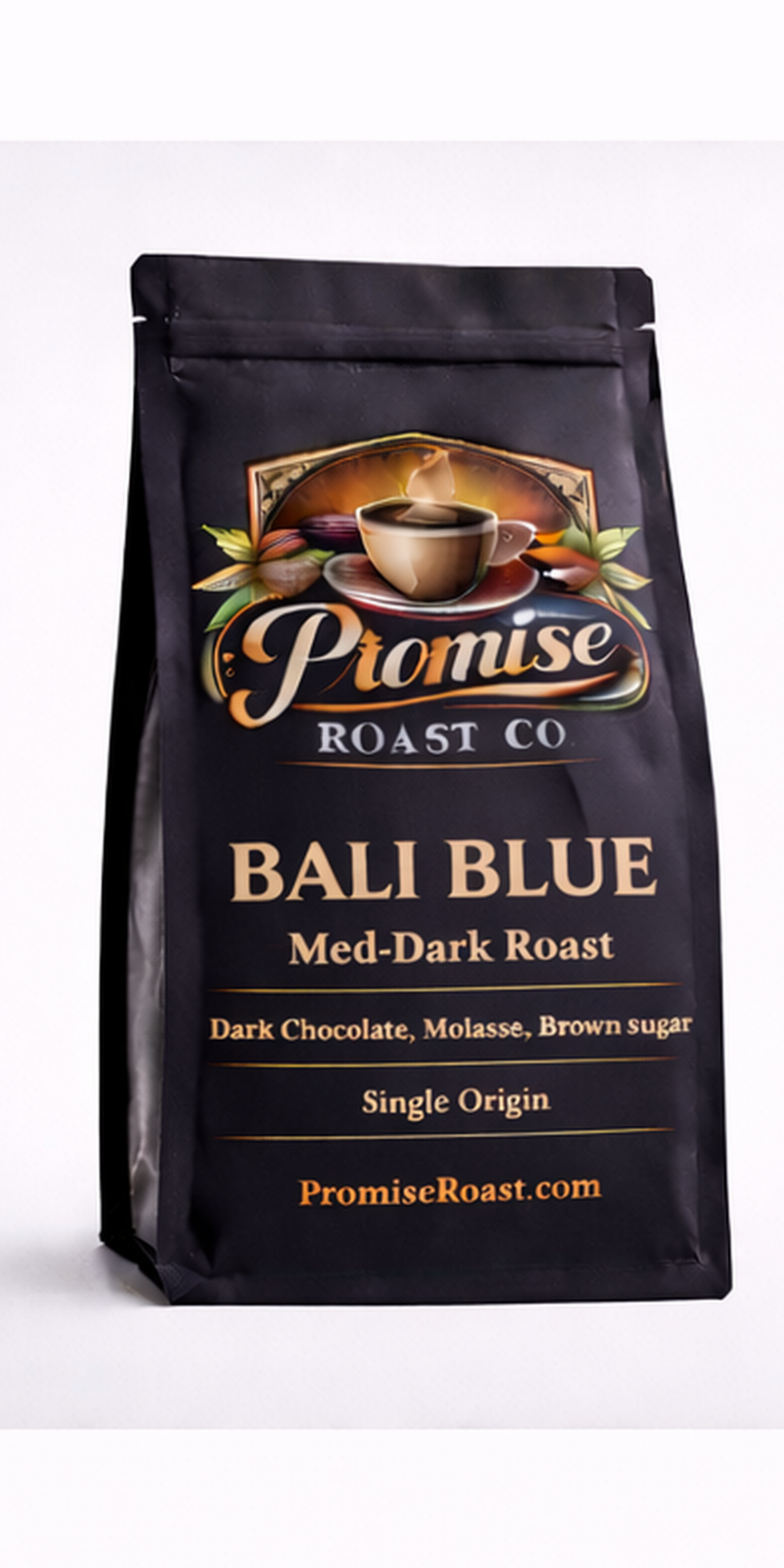
For espresso, choose beans with heavier body and lower acidity, as espresso concentrates flavor and amplifies brightness. Medium-dark roasts like Bali Blue or Honduras produce thick, syrupy shots with long finish. Lighter, fruit-forward coffees taste sharp or sour as espresso unless carefully dialed in.
Drip brewing rewards clarity and acidity. Medium roasts like Colombia or Guatemala shine through cleaner extraction. Cold brew handles almost any origin but especially benefits from chocolaty, low-acid beans like Brazil Santos.
Processing method matters as much as origin. Washed coffees taste clean and bright. Natural process coffees develop heavier, fruitier character. Honey process sits in between. Roasters listing processing method let you predict the cup profile before brewing.
Storage and Shelf Life: Protecting Small-Batch Bean Integrity
Small-batch coffee needs proper storage to protect roaster’s work. Enemies are oxygen, light, heat, and moisture. Store in airtight containers in cool, dark cabinets. Avoid clear containers on countertops near stoves, where light and heat accelerate oxidation.
The best container seals completely and holds the whole bag. Many roasters use one-way valve bags that let degassing carbon dioxide escape without oxygen entering, so keeping beans in their original bag works well. Freezing can preserve freshness long-term, but condensation on removal damages beans, so only freeze in portioned, airtight containers.
Freshly roasted whole beans peak for three to four weeks, though remain drinkable longer (peer-reviewed research). Ground coffee loses aromatic compounds within days. Buy quantities you’ll use within that window for peak flavor.
Cost-Benefit Analysis: Premium Small-Batch vs. Bulk Coffee
Premium small-batch coffee costs more per pound than bulk grocery coffee, but the comparison isn’t apples to apples. Bulk coffee is roasted months in advance, ground for convenience, and blended generically. Small-batch coffee is fresh with short shelf life; the price reflects careful roasting labor and quality green bean costs.
For two daily cups at home, monthly small-batch cost is modest versus bulk coffee, especially versus daily café visits. Check the product page for current pricing, package size, and available options. To compare cost per serving, divide the current package price by the number of servings you actually brew.
Small-batch quality doesn’t require premium pricing. Many roasters offer affordable small-batch beans by focusing on high-volume, accessible origins rather than rare micro-lots. Brazilian naturals, Mexican washed coffees, and Central American blends often cost $16-$19 per pound and deliver noticeably better flavor than bulk alternatives. Abundant, consistently sourced origins let roasters keep costs down while maintaining freshness and quality.
When evaluating budget-friendly small-batch options, look for roasters who:
- Roast to order or within 48 hours of purchase. A $17 bag roasted three days ago beats a $12 bag roasted three weeks ago.
- List the origin and processing method. Transparency signals quality control.
- Offer smaller bag sizes (8-12 ounces). Reduce risk of beans going stale before finishing them.
- Ship without minimum order requirements. Direct-to-consumer roasters with flat-rate or free shipping make small-batch affordable for occasional buyers.
- Avoid subscription pressure. One-time purchases should be as easy as subscriptions.
Quality small-batch coffee costs $0.50-$0.75 per cup for medium roasts from established origins, and $0.75-$1.25 for single-origin light roasts, substantially less than specialty café pricing ($4-$6) and marginally more than bulk grocery coffee. For budget-conscious home brewers, starting with affordable origins like Brazil or Guatemala delivers freshness advantage without premium pricing.
Frequently Asked Questions
What are the benefits of buying small-batch roasted coffee?
Small-batch roasted coffee delivers superior flavor complexity because beans are roasted in smaller quantities, allowing roasters to control roasting curves more precisely. Peak freshness is guaranteed since beans are roasted to order, typically within 1-5 days of shipment. You also gain direct traceability, knowing exactly where your beans originated, how they were processed, and who grew them. The result is a richer cup with more distinct tasting notes (fruit, chocolate, spice) compared to mass-produced coffee that loses flavor compounds during extended storage.
How does roast date affect the flavor of coffee beans?
Roast date is critical because coffee begins degassing immediately after roasting. Beans roasted 1-7 days ago are in their flavor peak, with aromatic compounds fully developed but still volatile. Coffee roasted 2-4 weeks prior tastes flat and muted as gases escape and oxidation sets in. After 4 weeks, flavor deteriorates significantly. Small-batch roasters stamp roast dates on packaging so you know exactly how fresh your beans are. Buying coffee within 2 weeks of its roast date ensures you experience the roaster’s intended flavor profile.
How do I store small-batch coffee to maintain freshness?
Store whole beans in an airtight container away from heat, light, and moisture. Avoid clear glass jars (light degrades beans) and the freezer (condensation damages them). Room-temperature pantry storage in an an opaque, sealed container preserves freshness for 2-4 weeks after roasting. Grind beans immediately before brewing to prevent oxidation. If you purchase whole beans weekly from a fresh roasted coffee subscription, you’ll always have coffee at peak flavor without needing long-term storage strategies.
Is small-batch coffee worth the higher price point?
Yes, if flavor quality and freshness matter to you. You're paying for beans roasted to order, traceability to specific farms, and superior tasting notes. For coffee enthusiasts who brew daily, the flavor difference justifies the cost. For casual drinkers, bulk coffee may suffice. Consider your consumption rate: if you drink half a bag weekly, fresh small-batch ensures peak flavor throughout. Check the product page for current pricing, package size, and available options. To compare cost per serving, divide the current package price by the number of servings you actually brew.
What should I look for when choosing an artisanal coffee roaster?
Prioritize roasters that display roast dates prominently, source directly from farmers or cooperatives (not brokers), and publish detailed tasting notes and processing methods. Check for transparency about bean defect rates and sorting processes, quality roasters remove damaged beans before roasting. Look for single-origin options that showcase specific regions and flavor profiles. Verify that they roast fresh to order and offer free shipping. Small-batch roasters should highlight their sourcing ethics (fair trade, direct trade, or sustainability certifications) and provide clear brewing recommendations for different methods (espresso, drip, French press).