Table of Contents
- Why Single Origin Beans Deserve a Spot in Your Espresso Machine
- Quick Comparison: Best Single Origin Espresso Beans for 2026
- 1. Bali Blue: The Syrupy, Bold Crowd-Pleaser
- 2. Ethiopia Natural: Bright, Fruit-Forward, and Unforgettable
- 3. Colombia: Balanced, Sweet, and Built for Espresso
- 4. Sumatra: Earthy Depth for Traditional Espresso Lovers
- 5. Guatemala: Chocolate and Fruit in Perfect Tension
- 6. Honduras: Cozy Caramel and Spice for Milk Drinks
- How Freshness and Storage Decide the Cup
- Frequently Asked Questions
Last Updated: September 13, 2026
Why Single Origin Beans Deserve a Spot in Your Espresso Machine
Single origin coffee is grown in one specific region, farm, or cooperative rather than blended from multiple sources, and it is the fastest way to taste what a place contributes to your cup. What that means for espresso is less simple.
Single origin vs. blend: what actually changes in the basket
Espresso blends are engineered: a base for body, a component for sweetness, something bright for lift, with the roast profile tuned so the combination pulls consistently across many grinders, machines, and skill levels. The goal is repeatability.
A single origin is engineered for nothing except tasting like itself. Three practical differences follow:
- Narrower dial-in window. A blend tolerates a slightly coarse or fine grind and still tastes balanced. A single origin can taste sour at 25 seconds and bitter at 31, so you adjust the grinder more often.
- More variable density and moisture. A washed Colombian and a natural Ethiopian can differ enough in density that the same grinder setting produces different flow rates. Expect to re-dial when you switch origins, not just bags.
- Flavor that reads as a place, not a recipe. Blends tend to land in recognizable territory, chocolate, caramel, nuts. Single origins can taste like dried orange, stone fruit, or cedar, and those notes are the reason to brew them.
The extraction problem single origins expose
Bright, fruit-forward single origins are the hardest to pull well because their best flavors, fruity acids and aromatic compounds, extract early and are fragile. Push the shot too long and you extract bitter, drying compounds; pull it too short and you get sour, thin, hollow shots.
Technique matters more here than with a blend. Three levers do most of the work:
- Grind, the primary variable. Finer increases contact time and extraction; coarser decreases both. Change this first.
- Ratio, the weight of espresso out relative to coffee in. A 1:2 ratio (18 g in, 36 g out) is the standard starting point; bright coffees often reward a slightly tighter 1:1.8, while heavy wet-hulled coffees can handle 1:2.2.
- Water, the variable almost every guide ignores.
The water chemistry angle nobody covers
Water is roughly 98% of your espresso by mass, and its mineral content changes which compounds end up in the cup. Two minerals matter most:
- Magnesium binds to fruity and chocolatey compounds and pulls them into solution. Too-soft water extracts poorly and produces flat, hollow shots, the fruit notes in an Ethiopia Natural will not show up.
- Calcium adds body and crema but drives scale buildup. Very hard water mutes delicate aromatics and shortens machine life.
- Alkalinity (bicarbonate) buffers acidity. High alkalinity flattens the brightness that makes a natural Ethiopian or washed Guatemalan worth drinking; low alkalinity lets it through but can taste sharp if it drops too far.
The practical takeaway: if your single origin shots taste dull no matter how you adjust the grinder, the problem may be your water. Filtered tap water with moderate mineral content is the simplest reliable starting point. To go further, distilled or reverse-osmosis water plus a small amount of mineral concentrate gives repeatable control, and lets you taste the same bean at two mineral levels.
Why this matters in 2026
Home espresso gear has gotten dramatically better and cheaper, so the limiting factor for most people is no longer the machine, it is the coffee and the water. Single origin beans are the fastest way to hear what your setup is capable of, and to expose what it is not. The trade: less forgiveness, more information.
At Promise Roast Co., we roast every order after it is placed, so the best single origin coffee beans for espresso machines 2026 can land on your counter within days of roasting instead of months. That freshness window matters more than most gear upgrades, a common mistake is buying a new grinder while brewing beans that have already gone flat. Below, we break down six origins worth dialing in this year, plus the grind, ratio, and water details that decide whether they taste vibrant or dull.
Specialty Coffee Association’s brewing standards and research
Quick Comparison: Best Single Origin Espresso Beans for 2026
Here is the short version for anyone deciding fast. Every option below is roasted to order and sells for $21.99, so the real variable is flavor, not price.
| Origin | Roast Level | Tasting Notes | Best For |
|---|---|---|---|
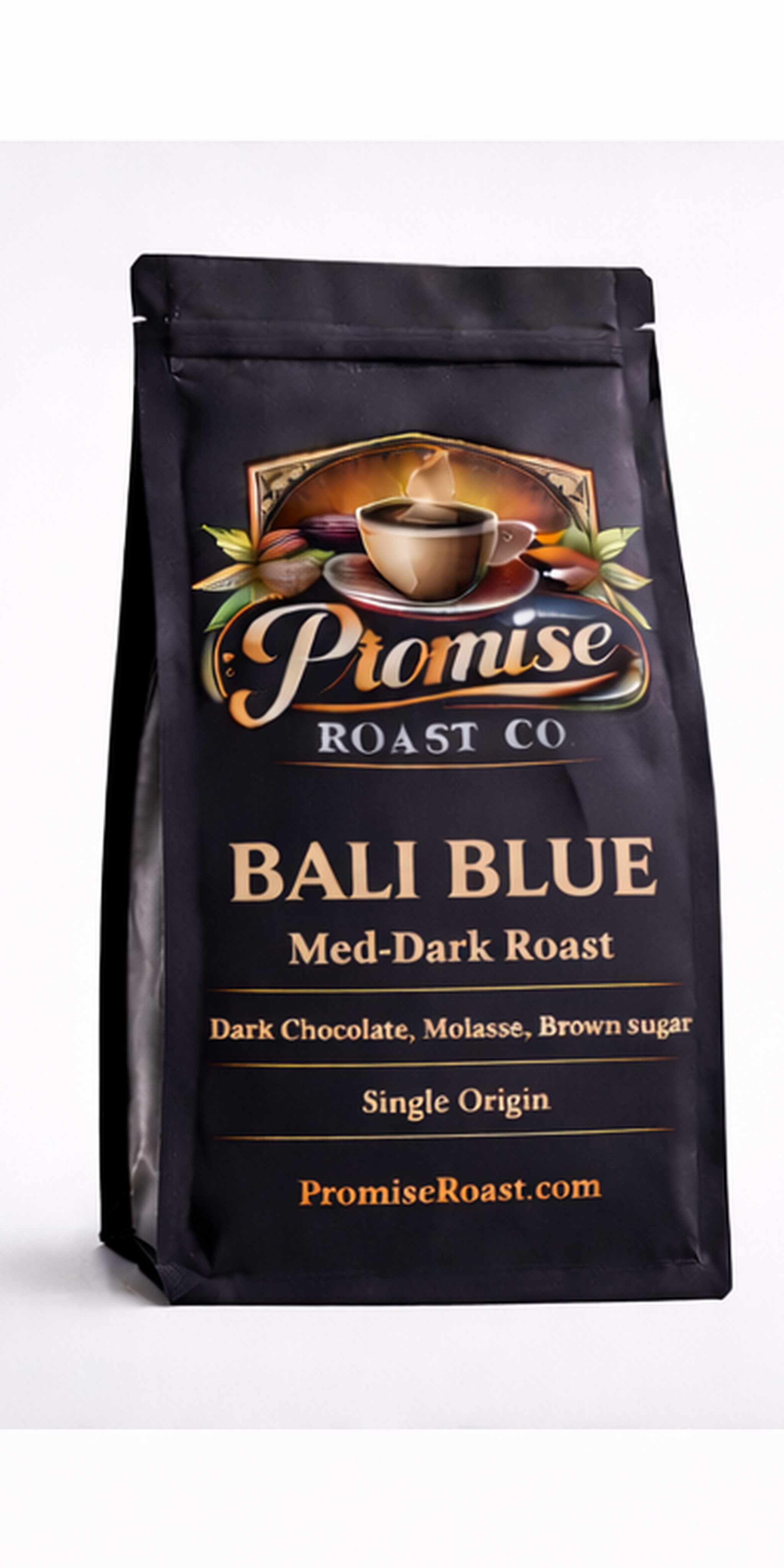
| Bali Blue | Medium-Dark | Dark chocolate, molasses, brown sugar | Syrupy, bold shots |
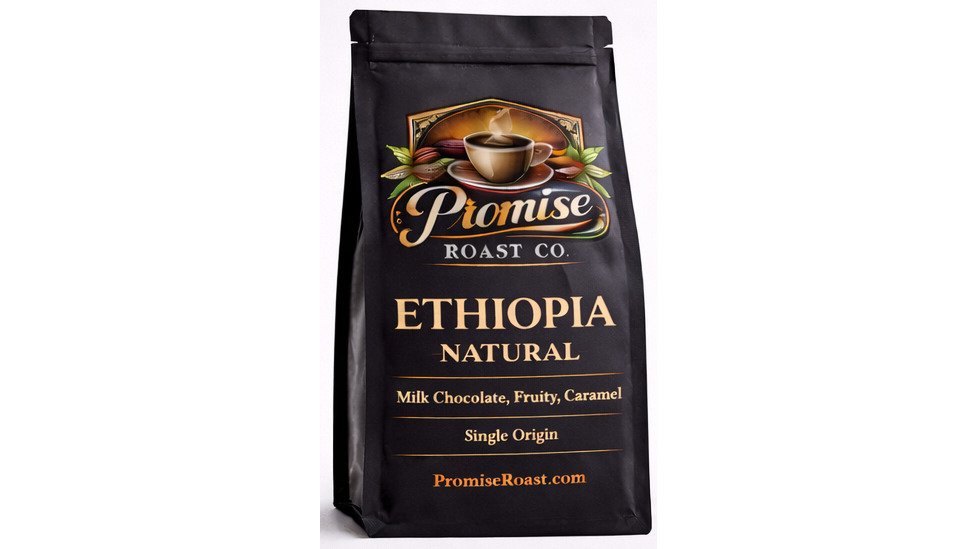
| Ethiopia Natural | Medium-Light | Milk chocolate, fruit, caramel | Bright, fruit-forward espresso |
| Colombia | Medium | Dried orange, berry, chocolate | Balanced daily espresso |
| Sumatra | Medium-Dark | Dark chocolate, dried fruit, earthy | Traditional earthy shots |
| Guatemala | Medium | Dark chocolate, bright fruit, butterscotch | Chocolate-fruit tension |
| Honduras | Medium-Dark | Caramel, spice, brown sugar | Milk drinks and lattes |
1. Bali Blue: The Syrupy, Bold Crowd-Pleaser
Bali Blue is the pick when you want a shot that coats the tongue and lingers. Grown by smallholders in Kintamani and wet-hulled the traditional Indonesian way, it delivers dark chocolate, molasses, and brown sugar in a heavy, syrupy body.
Pull it slightly longer than a bright coffee. Wet-hulling builds body, so a 1:2 ratio in roughly 28 seconds keeps the molasses sweetness from tipping into bitterness. It is the most forgiving origin here for anyone learning to dial in single origin espresso.
Wet-hulled coffees like Bali Blue taste best between 7 and 14 days off roast. Pull a shot on day 4 and it may taste muted, not because the beans are bad, but because they are still degassing.
2. Ethiopia Natural: Bright, Fruit-Forward, and Unforgettable
Ethiopia Natural converts blend drinkers into single origin loyalists. This medium-light roast from the Sidama Zone is processed as a full natural, dried on raised beds, and shows up as milk chocolate layered with fruity sweetness and caramel.
Bright coffees punish sloppy technique. Grind finer than you would for a dark roast, keep the brew ratio tighter around 1:2, and watch for channeling. If the shot runs sour and thin, the grind is too coarse, not the beans.
Coffee research on extraction and flavor compounds from UC Davis
3. Colombia: Balanced, Sweet, and Built for Espresso
Colombia is the safest starting point if you are new to single origin. Sourced from smallholders around Medellín and fully washed, it balances dried orange, berry, and chocolate in a clean finish that works in milk or straight.
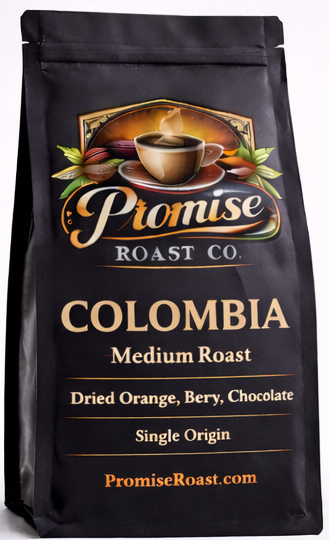
Its middle-of-the-road density and moisture make it predictable on most machines. A 1:2 ratio in 25 to 30 seconds lands consistently, which is why it earns a permanent spot in a home rotation.
If you only try one origin this year, make it Colombia. It teaches you what a properly balanced single origin shot tastes like before you chase brighter or bolder profiles.
4. Sumatra: Earthy Depth for Traditional Espresso Lovers
Sumatra is for drinkers who like espresso heavy and unapologetic. Wet-hulled via Giling Basah in Aceh, Takengon, it brings a syrupy body, medium acidity, dark chocolate, dried fruit, and that classic earthy finish.
The earthy character divides people. If you love it, nothing else compares. If you have only ever had bright, fruity espresso, start with a smaller dose and a coarser grind to see whether the profile suits you before committing to a full bag.
5. Guatemala: Chocolate and Fruit in Perfect Tension
Guatemala sits between bold and bright. Grown in volcanic loam around Antigua and fully washed, it pairs deep dark chocolate and butterscotch with a bright fruit sparkle that keeps the shot lively rather than heavy.
This is the origin to reach for when a guest says they want “something interesting but not weird.” It reads as familiar chocolate espresso up front, then finishes with just enough fruit to make people ask what it is.
6. Honduras: Cozy Caramel and Spice for Milk Drinks
Honduras is the milk-drink specialist. Sourced from 1,500 grower-members at Cafe Organics Marcala and fully washed, this medium-dark roast brings caramel, brown sugar, and a warm touch of spice that holds up against steamed milk.
Where bright origins get lost under milk, Honduras gets louder. Pull a slightly shorter, sweeter shot and it turns a standard latte into something that tastes deliberate rather than default.
Do not judge a new bag on day one. Roasted-to-order coffee needs several days to degas, and shots pulled too early often taste flat or gassy. Give every bag a few days before you decide it is not for you.
How Freshness and Storage Decide the Cup
Freshness is the biggest variable you control after the grinder, and for single origin espresso it behaves differently than for blends. Coffee releases carbon dioxide for days after roasting, and that gas interferes with even extraction until it settles. Blends are often formulated so components degas at staggered rates, smoothing the curve. A single origin has one degassing curve, so its best-shot window is narrower and shifts by origin, process, and roast level.
A useful working model: most medium and medium-dark single origins hit their espresso sweet spot between 7 and 21 days off roast, with a peak plateau of roughly 5 to 8 days. Medium-light naturals like Ethiopia often need 10 to 14 days before the fruit stops tasting sharp and starts tasting sweet. Wet-hulled Indonesians like Bali Blue and Sumatra can taste muted before day 7, then snap into focus around day 10. These are patterns, not rules; your grinder, dose, and water shift the window.
What actually happens as beans rest
- Days 1-3: Heavy CO2 off-gassing. Shots gush, crema is foamy and pale, flavor is flat or sharply acidic. Do not judge the bag here.
- Days 4-7: Gas release slows. Flow rate stabilizes, but brightness can still read as sour rather than sweet.
- Days 7-21: The plateau. Sweetness and body peak, acidity integrates, and dial-in adjustments hold for several days at a time.
- Day 21+: Oxidation accelerates. Aromatics fade first, then sweetness, then body. Stale espresso tastes papery and hollow rather than simply weak.
Storage that actually protects a single origin
The enemy is oxygen, light, heat, and moisture, in that order. The practical rules:
- Keep the one-way valve bag. The valve lets CO2 escape without letting oxygen in. A mason jar with a tight lid is a fine backup; a porous cloth or paper bag is not.
- Store whole bean, not ground. Ground coffee has roughly 100 times the surface area and stales in days, not weeks. Grind immediately before pulling the shot.
- Room temperature, dark cabinet. Skip the fridge for daily-use bags, every open-and-close cycle pulls in humid air that condenses on the beans.
- Freeze only for long-term storage, and freeze in single-dose portions. If you buy more than a two-week supply, portion into airtight bags or tubes, freeze them, and grind from frozen without thawing. Thawing and refreezing a bulk bag is worse than leaving it on the counter.
- Buy to your consumption rate. A home barista pulling two doubles a day goes through roughly 12 ounces in about two weeks, which lines up almost exactly with the plateau window.
Why this matters more for single origin than for blends
A blend is engineered for consistency: if one component fades, another covers for it. A single origin has nowhere to hide. The same Bali Blue that tastes like molasses and dark chocolate on day 10 can taste thin and vegetal on day 4 and papery on day 30. That variability is the point, and why roast date, not a ‘best by’ stamp, is the only date worth reading on the bag.
Write the roast date on a piece of tape on the bag and mark the day you hit your best shot. After two or three bags of the same origin, you will know your own peak window and can plan reorders around it instead of guessing.
USDA guidance on food storage and freshness
Frequently Asked Questions
What are the best single origin coffee beans for espresso?
The best single origin espresso beans depend on your taste. For a syrupy, bold shot with dark chocolate and molasses, try Bali Blue. For bright fruit and caramel sweetness, Ethiopia Natural works well. Colombia offers balanced dried orange and chocolate notes. Sumatra delivers earthy, syrupy depth. Each of these single origin espresso options brings a distinct flavor profile, so the right choice comes down to whether you prefer brightness, balance, or boldness in your cup.
How does single origin coffee differ from blends for espresso?
Single origin coffee comes from one region, farm, or cooperative, so it highlights a specific terroir and flavor profile. Blends combine beans from multiple origins to create consistency and balance. For espresso, blends are often more forgiving because they are designed to taste the same year-round. Single origin espresso demands more attention to dialing in, but it rewards you with flavors you cannot get from a blend.
Do single origin beans require different espresso machine settings?
Yes. Single origin beans often need a finer grind and a slightly different brew ratio than blends. Start with a 1:2 ratio (18 grams in, 36 grams out) and adjust from there. Lighter roasts like Ethiopia Natural may need a finer grind and longer extraction to avoid sourness. Darker roasts like Sumatra may need a coarser grind to prevent bitterness. Dialing in single origin espresso is about tasting and adjusting, not following one universal recipe.
How can I ensure my single origin espresso beans are fresh?
Check the roast date, not just the best-by date. For espresso, beans taste best between 7 and 21 days after roasting. Store them in an airtight container away from light, heat, and moisture. Do not refrigerate or freeze unless you seal them properly and use them within a month. Promise Roast Co. roasts every order after you place it, so your beans arrive within days of roasting, not weeks. That freshness window makes a noticeable difference in crema and flavor.
What roast level is best for single origin espresso?
Medium and medium-dark roasts work best for single origin espresso because they balance sweetness, acidity, and body. Medium roasts like Colombia and Guatemala offer bright fruit and chocolate notes without overwhelming acidity. Medium-dark roasts like Bali Blue and Honduras bring deeper caramel and spice flavors that pair well with milk. Light roasts can work but are harder to dial in. Dark roasts tend to mask the origin character that makes single origin beans special.