Table of Contents
- Why Freshness Matters in Roasting Coffee to Order
- How Long to Let Coffee Rest After Roasting
- Flavor Preservation and Peak Freshness Window
- Signs of Stale Coffee Beans and How to Avoid Them
- Small Batch vs Mass Produced Coffee: Quality and Sustainability
- Cost-Effectiveness and Long-Term Value
- Customization and Control Over Roast Profiles
- Conclusion
Why Freshness Matters in Roasting Coffee to Order
The moment coffee is roasted, it begins to change. Within days, aromatic compounds start to fade, making freshness critical to flavor quality.
When you order from Promise Roast Co., beans are roasted after your order arrives, not weeks before shipping. Fresh-roasted coffee tastes noticeably brighter, more complex, and smoother than coffee sitting in storage. The flavors that took months to develop are preserved at their peak.
Coffee beans contain volatile aromatic compounds and oils that oxidize over time. Fresh roasts have higher concentrations of these compounds, creating bright, nuanced flavors in the first few weeks. After that window closes, oxidation accelerates and flavor flattens. Single-origin coffees reveal their origin characteristics most clearly when fresh, a Colombia from Medellín shows its fruit-and-chocolate profile with clarity that fades quickly. Roasting coffee to order guarantees you experience the coffee as the roaster intended.
How Long to Let Coffee Rest After Roasting
Coffee needs time after roasting before reaching peak flavor. This resting period, called degassing, is essential for quality.
Immediately after roasting, beans release carbon dioxide and gases trapped during the process. This degassing happens rapidly in the first 12-24 hours, then continues more slowly for several days (peer-reviewed research). Brewing too soon creates a flat or harsh cup because gases interfere with extraction.
The ideal brewing window begins 2-3 days after roasting and extends through about 4 weeks (peer-reviewed research). Most specialty roasters recommend waiting at least 24 hours before opening a bag, though 2-3 days is optimal. Roasting coffee to order provides a natural advantage: by the time your order arrives, it’s usually 3-5 days post-roast, ready to deliver peak flavor immediately.
For espresso, baristas often prefer a slightly longer rest, around 5-7 days post-roast, allowing crema to develop stability. For filter coffee, the 2-3 day window is preferred because brighter, more delicate flavors are more pronounced earlier.
Temperature and storage conditions affect degassing speed. Warmer environments speed the process slightly, while cooler storage slows it. Promise Roast Co. recommends storing beans in a cool, dry place away from direct sunlight. Proper storage preserves degassing work and extends the peak freshness window.
Flavor Preservation and Peak Freshness Window
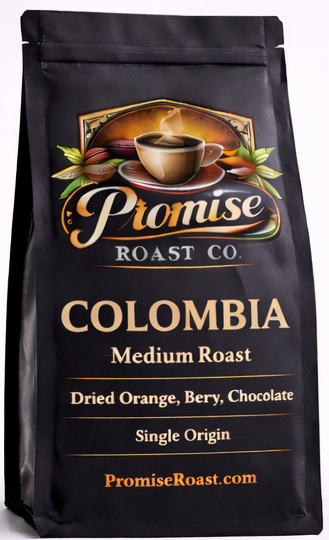
Peak freshness typically lasts 2-4 weeks after roasting, depending on storage (peer-reviewed research). During this window, coffee retains aromatic complexity, acidity brightness, and origin-specific flavor notes. A Colombia reveals dried orange and berry notes most clearly. A Costa Rica displays apple and honey sweetness.
After four weeks, oxidation accelerates noticeably. Oils on the bean surface begin to turn rancid. Bright, delicate flavors flatten. Acidity becomes sharp rather than clean. The coffee loses the characteristics that made it worth buying fresh.
Storage method dramatically affects freshness duration. Whole beans last significantly longer than ground coffee because grinding exposes far more surface area to oxidation. Sealed whole beans stay fresh for 3-4 weeks; ground coffee begins losing flavor within hours and is noticeably stale within days.
Air, light, heat, and moisture accelerate oxidation and flavor loss. Store beans in an airtight container away from direct sunlight, in a cool location. A kitchen cabinet works better than a windowsill. Some enthusiasts use vacuum-sealed bags or opaque containers with one-way valves that allow degassing while minimizing air exposure.
Roasting coffee to order shows its real value here. You know exactly how fresh your coffee is and can plan consumption around peak flavor, impossible with mass-produced coffee where the roast date is often weeks or months before purchase.
Signs of Stale Coffee Beans and How to Avoid Them
Stale coffee has distinct characteristics. Fresh-roasted beans have an oily sheen on the surface, especially in medium and dark roasts. As beans age, this oil oxidizes and the surface becomes dull, signaling advancing oxidation.
Aroma is the clearest indicator. Fresh-roasted coffee smells bright and complex: fruit, chocolate, floral, or spice depending on origin and roast level. Stale coffee smells muted, sometimes cardboard-like. If you smell little when opening the bag, the beans are well past their peak.
Flavor in the cup is the ultimate test. Fresh coffee tastes clean with distinct flavor notes and pleasant acidity. Stale coffee tastes flat, sometimes slightly bitter or harsh. Origin characteristics disappear and mouthfeel becomes thin.
To avoid stale coffee, buy only what you’ll use within 3-4 weeks. Roasting coffee to order becomes practical here, you’re buying coffee roasted within days of receiving it, with guaranteed freshness.
Check the roast date on every bag. If there’s no date, that’s a red flag. Reputable roasters print roast dates because they’re confident in their freshness. Store beans properly in airtight containers away from light, heat, and moisture to extend the freshness window by several days.
Small Batch vs Mass Produced Coffee: Quality and Sustainability
The difference between small-batch and mass-produced coffee extends far beyond freshness to flavor quality, environmental impact, and supply chain economics.
Small-batch roasting means roasting in smaller quantities, often to order. Each batch receives attention. Roasters monitor temperature curves carefully and taste the coffee, adjusting roast profiles based on bean development. When something goes wrong, the loss is limited to one small batch.
Mass-produced coffee is roasted in large batches, often hundreds of pounds at a time. Roasting is standardized and automated. Temperature curves are programmed. Individual beans matter less than hitting the target roast profile. Consistency is the goal, not peak quality.
The flavor difference is substantial. Small-batch roasting highlights origin characteristics. A single-origin coffee from a specific farm shows its unique terroir. Mass-produced coffee is often blended to achieve consistent profiles regardless of origin, smoothing out individual bean characteristics.
Sustainability differs significantly. Small-batch roasting typically sources from specialty suppliers working directly with farmers, encouraging sustainable practices. Mass production relies on commodity markets where price is the primary driver, giving farmers less incentive to invest in sustainability.
Waste reduction is another advantage. Roasting coffee to order means roasting what’s been purchased with minimal overproduction. Mass production creates inventory that must be stored, transported, and sometimes discarded if it doesn’t sell before quality degrades.
Small-batch roasting has higher per-unit costs due to lower volume, but justifies its higher price through superior quality and freshness. For consumers concerned about environmental impact and farmer welfare, small-batch roasting aligns with those values more directly than mass production.
Cost-Effectiveness and Long-Term Value
Specialty small-batch roasted coffee typically costs more than commodity coffee. Check the product page for current pricing, package size, and available options. To compare cost per serving, divide the current package price by the number of servings you actually brew.
However, the value calculation is more complex. Small-batch roasted coffee is denser with flavor, requiring less coffee to achieve the same satisfaction. Fresh beans release flavors more completely during brewing, providing better extraction efficiency. With stale coffee, extraction is less efficient because oxidation has altered bean structure.
The shelf life advantage matters significantly. Roasting coffee to order guarantees freshness for weeks, allowing you to plan consumption around peak flavor. With mass-produced coffee, you’re uncertain how long it’s been stored and might discover after two weeks that it’s already stale.
For busy professionals, the convenience adds value. You order what you want, it arrives fresh, and you have peak-quality coffee ready to brew. Most people find that improved taste and experience justify the cost. The ritual of brewing noticeably better coffee creates moments that matter.
Customization and Control Over Roast Profiles
When you roast coffee to order, you gain control over how your coffee is roasted, impossible with mass-produced coffee.
Different roast levels bring out different characteristics in the same beans. Light roast emphasizes origin flavors and acidity, highlighting fruit, floral, or tea-like notes. Medium roast balances origin flavors with roasted character. Dark roast emphasizes body and roasted flavors like chocolate and molasses.
Roast profile affects mouthfeel, finish, and extraction behavior. A coffee roasted to first crack tastes different from the same coffee roasted through second crack. These are fundamental differences to the experience.
Small-batch roasters have flexibility to adjust roast profiles based on specific crops and bean development. A skilled roaster adjusts temperature curves to account for variations in moisture content and density.
For coffee enthusiasts exploring single-origin coffees, this customization matters significantly. A Colombia roasted light reveals fruit characteristics most clearly; the same Colombia roasted dark emphasizes chocolate and body. Being able to choose your roast level means exploring the same origin in multiple ways.
Promise Roast Co. offers this flexibility through their small-batch approach. You’re choosing how you want your coffee roasted, roasted specifically for your order.
Conclusion
Roasting coffee to order fundamentally changes what’s possible in your cup. Peak freshness, flavor clarity, and customization are the natural result of a roasting model built around your specific order rather than mass production schedules.
The benefits extend beyond taste. You support a supply chain that values quality and sustainability. You eliminate uncertainty of stale coffee. You gain control over how your coffee is roasted.
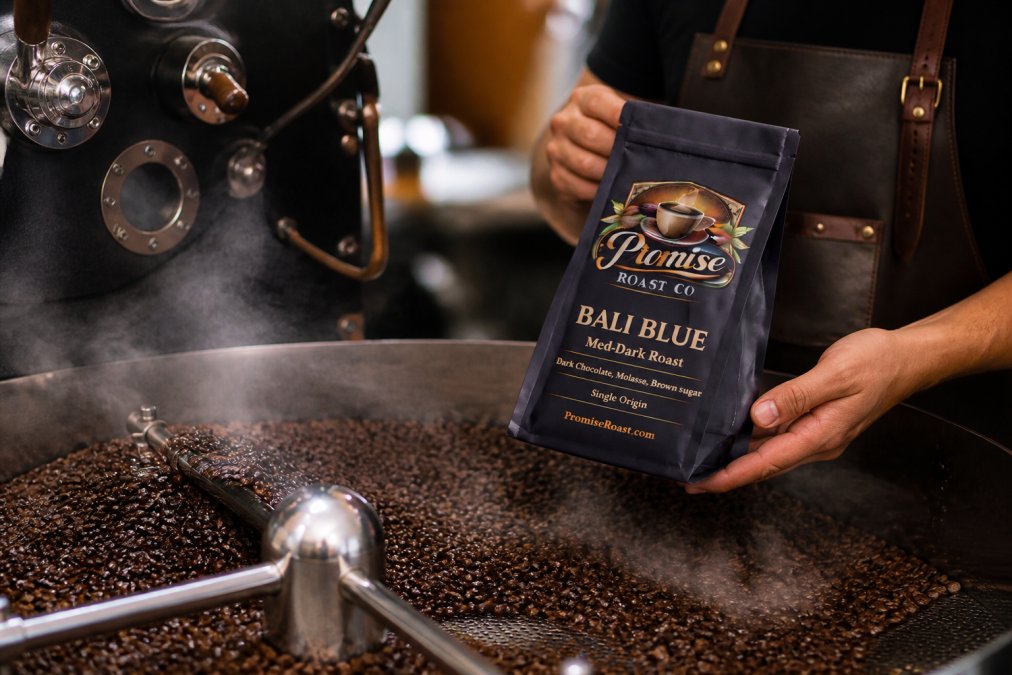
Promise Roast Co. specializes in this approach, roasting small batches after your order arrives and delivering within 1-5 days. Their single-origin options like Colombia medium roast, Bali Blue medium-dark roast, and others arrive at peak freshness. With free U.S. shipping and roast dates you can trust, you’re investing in coffee that tastes noticeably better and stays fresh longer than anything in warehouse inventory.
Shop Coffee at Promise Roast Co. and experience how freshness changes everything.
Frequently Asked Questions
Is it worth it to buy coffee roasted to order?
Yes, if peak freshness and flavor matter to you. Coffee reaches its optimal taste window after roasting, when degassing is complete and aromatic compounds are at their peak. Roasting to order ensures your beans arrive during this prime window, delivering noticeably richer flavor notes and better extraction than mass-produced coffee that may have sat in storage for weeks or months. For coffee enthusiasts and home-based workers seeking quality, the difference justifies the investment.
How long should you wait to drink freshly roasted coffee?
Wait a few days after roasting. During the first 24-48 hours, beans release carbon dioxide through degassing, which interferes with extraction and creates an uneven cup. After the degassing period, flavor notes develop fully and mouthfeel improves. Most roasters, including small-batch operations, ship timed to arrive within this optimal freshness window. If your coffee arrives within 1-5 days of roasting, store it in an airtight container and wait at least 3-5 days before brewing for best results.
What’s the difference between store-bought and made-to-order coffee?
Store-bought coffee has typically been roasted weeks or months before purchase, losing aromatic compounds and polyphenols through oxidation over time. Made-to-order coffee is roasted after you place your order, preserving the full spectrum of flavor notes and acidity that define single-origin or specialty blends. Small-batch roasting also allows control over roast profile and batch size, resulting in consistent quality and the ability to customize darkness level. This freshness advantage translates to noticeably smoother mouthfeel and cleaner extraction.
Does roasting coffee to order really improve the flavor profile?
Yes. The Maillard reaction and first crack create volatile aromatic compounds that begin degrading immediately after roasting. Coffee roasted to order reaches you at peak freshness, preserving the full complexity of flavor notes, whether bright citrus notes in a medium roast or deep chocolate and molasses in a medium-dark roast. Mass-produced coffee loses these nuances over time. Beans roasted within a few days deliver noticeably richer body, cleaner acidity, and more defined flavor notes than older beans.
This article was written using GrandRanker