Table of Contents
- What Is Single Origin Coffee?
- Single Origin vs Blend Coffee: Why Choose Single Origin?
- Understanding Tasting Notes in Coffee Explained
- 6 Best Single Origin Beans for Beginners
- How to Brew Single Origin Coffee at Home
- How to Choose Your First Single Origin Bean
- Start with a Sample Pack to Explore
- Conclusion
Last Updated: August 22, 2026
What Is Single Origin Coffee?
Single origin coffee comes from a specific geographic region, farm, or micro-lot rather than a blend of beans from multiple countries. Altitude, soil type, climate, and processing method all influence the final cup, letting you experience terroir in coffee the way you would in wine. A Colombian coffee tastes different from an Ethiopian one because of where and how the beans grew, altitude affects bean density, volcanic soil influences mineral content, and processing methods shape the flavor profile.
At Promise Roast Co., we focus on single origin coffees because they tell a story. Understanding these differences is the first step toward finding beans that match your palate.
Single Origin vs Blend Coffee: Why Choose Single Origin?
Blends combine beans from multiple origins to create consistent flavor year-round, but this masks what makes coffee interesting: the unique characteristics of place. Single origin beans let you taste the actual coffee, not a marketing formula.
Blends offer predictability. Single origins offer discovery. If you’re a beginner, single origins teach you what your palate actually prefers instead of settling for “good enough.” You’ll learn whether you prefer the acidity of a natural-processed bean or the clean finish of a washed coffee.
Single origin also matters for freshness. When Promise Roast Co. roasts your order individually, beans reach you at peak flavor. A blend sitting in a warehouse for months loses those nuances entirely.
Understanding Tasting Notes in Coffee Explained
Coffee tasting notes describe naturally occurring flavors developed during growing, processing, and roasting, not flavoring added to the beans. When you see “notes of chocolate,” the coffee actually contains flavor compounds similar to chocolate created by the bean’s chemistry.
Learning to identify tasting notes takes practice. Start by tasting black, without milk or sugar. Notice the first sip, where the brightest notes appear, then pay attention to the aftertaste and mouthfeel. Does it feel smooth or crisp?
Different processing methods create different profiles. Natural-processed beans ferment longer, developing fruit-forward notes and body (peer-reviewed research). Washed coffees emphasize clarity and acidity. Honey-processed beans balance sweetness with brightness.
6 Best Single Origin Beans for Beginners
Finding your first single origin bean doesn’t require choosing between dozens of obscure micro-lots. These six origins represent the most approachable entry points, each with a distinct flavor profile.
1. Brazil Santos: The Smooth, Approachable Choice
Brazil Santos is the safest first choice for beginners. It’s nearly impossible to brew badly, making it ideal when you’re still dialing in your technique.
This medium roast delivers a smooth, mellow cup with elegant cocoa notes and a soft, satisfying finish. The flavor profile is forgiving, no sharp acidity to startle you, no overwhelming body that demands perfect extraction. Brazil Santos grows at altitudes between 750-1,050 meters in volcanic loam soil, and the pulped natural processing method builds sweetness and body while keeping the cup approachable.
The tasting notes lean toward chocolate and caramel rather than fruit or floral. If you’re coming from grocery store coffee, Brazil Santos will feel like a clear upgrade without tasting alien. The beans are dense enough to handle slightly coarser grinds and longer brew times, which means your first attempts will likely succeed.
Best for: Beginners who want a reliable, forgiving introduction to single origin coffee.
2. Colombia: Bright, Balanced, and Fruit-Forward
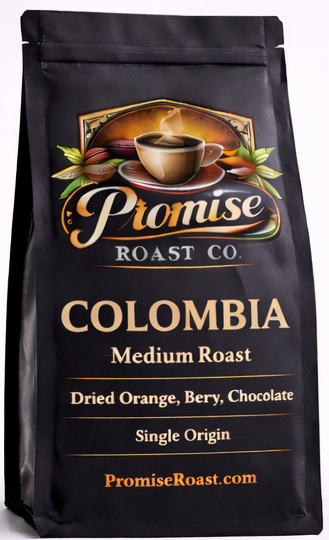
Colombia represents the middle ground, brighter than Brazil, but not aggressively acidic. This medium roast shows dried orange, berry, and chocolate notes with a clean finish. The altitude (1,300-1,500 meters) and volcanic loam soil create balanced acidity, while fully washed processing preserves clarity.
What makes Colombia approachable is its balance. You’ll taste fruit notes anchored by chocolate undertones that keep the cup feeling complete. Most beginners find this the “aha” moment where they realize single origin coffee tastes fundamentally different from blends.
The roast date matters here more than with Brazil. Colombia’s brightness comes from natural acidity, which fades quickly after roasting. Brewing within 2-3 weeks of roasting gives you the full fruit expression.
Best for: Beginners ready to explore acidity and fruit notes without committing to a naturally-processed Ethiopian.
3. Costa Rica: Naturally Sweet and Clean
Costa Rica delivers sweet apple, raisin, and honey notes with a bright, crisp finish that feels refreshing rather than harsh. Grown at 1,300-1,445 meters in volcanic loam, the beans are eco-pulped and sun-dried to highlight clarity and sweetness.
Costa Rica is forgiving to brew because the natural sweetness comes through even with slightly imperfect technique. Overextract it slightly and you get sweetness instead of bitterness. If you’re uncertain whether you like bright coffees, Costa Rica is the testing ground.
Best for: Beginners who want to explore brightness and sweetness without the complexity of fruit-forward or floral coffees.
4. Ethiopia Natural: Fruity and Aromatic
Ethiopia natural-processed coffee is where single origin becomes genuinely exciting. This medium-light roast from the Sidama Zone delivers milk chocolate layered with fruity sweetness and a smooth touch of caramel. The key is natural processing, the whole fruit ferments with the bean inside, developing intense fruit character and body.
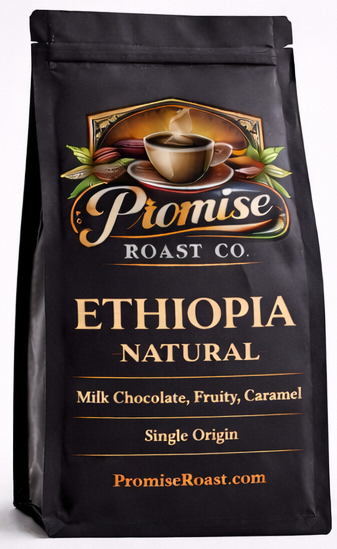
Ethiopia is more forgiving than it sounds. Promise Roast Co.’s roast-to-order model means you’re getting beans at peak freshness, when fruit notes are vibrant but not overwhelming. The milk chocolate base keeps the coffee from tasting like juice.
Ethiopia requires slightly more attention to brewing technique than Brazil or Costa Rica. The natural processing creates more oils and sediment, which means grind size and water temperature matter more. But that’s an opportunity to practice and understand how brewing variables affect the final cup.
Best for: Beginners ready to experience what single origin coffee can taste like, with the confidence that freshness will make the complexity accessible.
5. Peru: Smooth with Citrus Brightness
Peru delivers balance with character. This medium roast shows salted caramel, silky sweetness, and a bright touch of citrus that keeps every sip lively without overwhelming your palate. Grown at 1,100-1,700 meters in clay mineral soils, the beans are gully washed and sun-dried, creating a clean finish.
Peru teaches you that balance is interesting. You’ll taste multiple flavor notes working together rather than one dominant characteristic. Brewing within 3-4 weeks of roasting gives you the full expression.
Best for: Beginners who want complexity without intensity, and who appreciate balance as much as boldness.
6. Guatemala: Rich Sweetness with Fruit Sparkle
Guatemala pairs deep sweetness with bright fruit and butterscotch notes, creating a cup that feels both comforting and lively. Grown at 1,200-1,616 meters in volcanic loam, the beans are fully washed and sun-dried. The volcanic soil creates mineral complexity that supports both sweetness and fruit brightness.
Guatemala works across brewing methods and is forgiving enough for drip coffee while shining in pour-over or French press. If you’re torn between wanting something bold and something bright, Guatemala splits the difference.
Best for: Beginners who want a coffee that feels special but isn’t challenging to brew or taste.
How to Brew Single Origin Coffee at Home
The best single origin beans deserve proper brewing technique. You don’t need expensive equipment, but you do need to understand the variables that affect extraction: grind size, water temperature, brew ratio, and contact time.
Grind Size and Brew Ratio Matter
Grind size determines how quickly water extracts flavor from the coffee (peer-reviewed research). Finer grinds expose more surface area, speeding extraction. Coarser grinds slow it down. The goal is to extract enough flavor without extracting bitterness.
The standard brew ratio is 1:16 (one part coffee to sixteen parts water by weight) (peer-reviewed research). This means 20 grams of coffee to 320 grams of water. Start here, then adjust based on taste. If the coffee tastes sour or thin, use slightly less water (1:15). If it tastes bitter or harsh, use slightly more water (1:17).
Grind size varies by brewing method. Pour-over requires medium-fine grinds, similar to table salt. French press requires coarse grinds, similar to breadcrumbs. Espresso requires very fine grinds. A burr grinder (not a blade grinder) gives you consistency across batches.
Best Brewing Methods for Single Origin Beans
Pour-over (Chemex, V60, Melitta): This method gives you the most control and emphasizes clarity and brightness, ideal for tasting distinct characteristics. Brewing time: 3-4 minutes. Equipment cost: $20-60.
Drip coffee maker: The convenience option. Modern drip makers maintain consistent water temperature and contact time. Drip coffee works well for all origins. Brewing time: 5-10 minutes. Equipment cost: $30-200.
French press: This immersion method produces fuller body because grounds stay in contact with water the entire time. French press works beautifully with naturally-processed beans like Ethiopia. Brewing time: 4 minutes. Equipment cost: $20-40.
AeroPress: A hybrid method combining immersion and pressure. AeroPress produces a clean cup with good body and is nearly impossible to mess up. It works with all origins and is ideal for travel. Brewing time: 2 minutes. Equipment cost: $35-45.
Moka pot: This stovetop brewer creates concentrated coffee by forcing hot water through grounds using steam pressure. Moka pot produces a bold, intense cup and works well with darker roasts. Brewing time: 5-10 minutes. Equipment cost: $25-50.
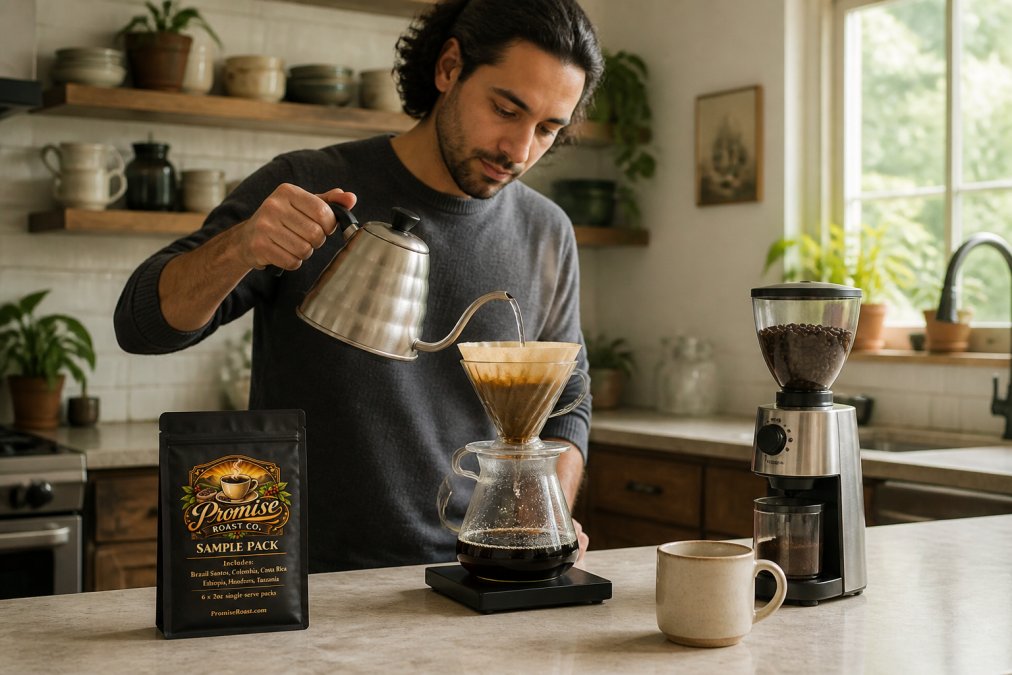
The “best” method depends on your priorities. If you want clarity and brightness, choose pour-over or AeroPress. If you want convenience, choose drip. If you want body and richness, choose French press. If you want intensity, choose Moka pot.
How to Choose Your First Single Origin Bean
Start by asking yourself what flavors appeal to you in other foods and drinks. Do you like fruit-forward wines? Choose Ethiopia or Peru. Do you prefer chocolate and caramel? Choose Brazil or Guatemala. Do you like balanced, complex flavors? Choose Colombia or Costa Rica.
Your brewing method also influences the choice. If you’re using a French press, you’ll get more body, so a naturally-processed bean like Ethiopia shines. If you’re using pour-over, you’ll taste more clarity, so Colombia or Costa Rica work beautifully.
Consider freshness as a priority. A fresh single origin bean from Promise Roast Co., roasted within 1-5 days of your order, will taste noticeably better than a month-old bean from a supermarket. Freshness makes the difference between tasting a coffee’s actual characteristics and tasting a muted, stale version.
Don’t overthink the first choice. Pick one of the six origins based on the flavor profile that appeals to you, brew it with attention to grind size and brew ratio, and taste it black so you can experience the actual flavors. After one bag, you’ll know what you liked and what you’d change.
Start with a Sample Pack to Explore
Check the product page for current pricing, package size, and available options. To compare cost per serving, divide the current package price by the number of servings you actually brew.
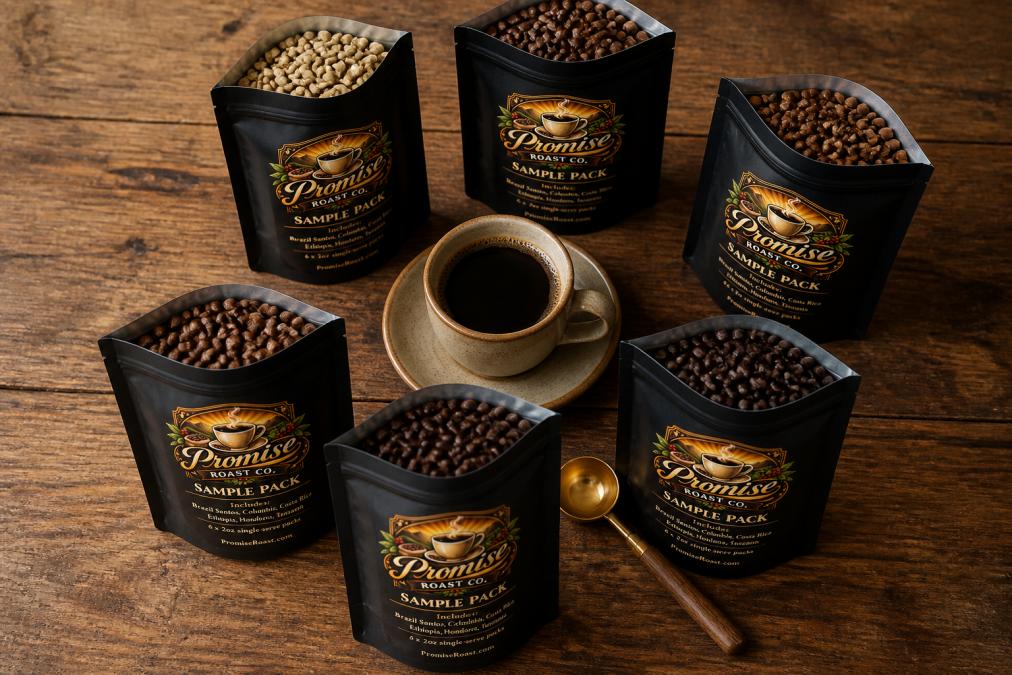
Promise Roast Co.’s Single Origin Favorites Sample Pack includes six 2-ounce portions of different origins for $24.99. Each portion is enough to brew 3-4 cups, giving you enough experience to form a real opinion about each origin.
The sample pack approach lets you discover which flavor profiles actually appeal to you, practice brewing technique across different origins, and understand the difference between freshly roasted coffee and what you’ve been drinking. After tasting all six, buy full bags of your favorites. Most beginners find themselves rotating between two or three origins rather than committing to just one.
Finding your first single origin bean is about discovering what you actually like rather than what you think you should like. The best single origin beans for beginners aren’t about rarity or prestige, they’re about approachability and freshness. Promise Roast Co. roasts every order individually, which means your beans reach peak flavor within days of roasting. Start with one of these six origins, pay attention to how it tastes, and let that experience guide your next choice.
Frequently Asked Questions
Q: What is the difference between single origin and blends?
A: Single origin coffee comes from one specific region or farm, highlighting that area’s unique terroir, altitude, and processing method. Blends combine beans from multiple origins to create a balanced, consistent flavor. Single origins offer distinct tasting notes and complexity; blends are typically smoother and more forgiving for beginners. Single origin beans showcase varietal character and regional flavor, a Colombia tastes different from an Ethiopia because of where it’s grown, not just roast level.
Q: Which single origin coffee is best for beginners?
A: Brazil Santos is often the easiest entry point. Its smooth, mellow profile with cocoa notes is forgiving and approachable, without sharp acidity or overwhelming fruit. Costa Rica and Colombia are also beginner-friendly, both are balanced and naturally sweet. Ethiopia Natural is excellent if you enjoy brighter, fruitier cups. Start with the Single Origin Favorites Sample Pack ($24.99) to taste six different regions in small 2oz portions before committing to a full bag.
Q: What are tasting notes in coffee, and how do I identify them?
A: Tasting notes describe the flavors you detect in your cup, chocolate, citrus, floral, caramel, etc. They come from the bean’s origin, altitude, processing method, and roast level. To identify them, slow down your sip: notice the aroma, the initial taste, the body, and the aftertaste. You don’t need a trained palate, if a coffee reminds you of chocolate or berries, that’s a valid tasting note. Freshly roasted beans (roasted within 1-5 days) reveal these flavors more clearly than stale coffee.
Q: How do I brew single origin coffee at home to get the best flavor?
A: Use a 1:16 brew ratio (1 gram of coffee to 16 grams of water) as your starting point. Grind your beans just before brewing, medium-fine for drip, medium for pour-over, coarse for French press. Water temperature should be 195-205°F. Single origin beans benefit from clean brewing methods like pour-over or AeroPress, which highlight their distinct flavor profiles. Freshness matters: use beans roasted within 2-3 weeks for peak flavor. Avoid over-extraction (brewing too long), which can bring out bitterness and mask the bean’s natural sweetness and complexity.
Q: Is single origin coffee worth the cost compared to bulk coffee from a big-box store?
A: Yes, if you value flavor and freshness. Bulk coffee from warehouse stores is often months old, losing acidity, complexity, and aromatic oils. A bag lasts 2-3 weeks for most home brewers. If you go through half a bag weekly, the cost is similar to specialty café visits but with better freshness and control over your brewing. Check the product page for current pricing, package size, and available options. To compare cost per serving, divide the current package price by the number of servings you actually brew.
This article was written using GrandRanker