Table of Contents
- Why Freshness Matters for Coffee Beans
- How to Tell If Coffee Beans Are Fresh: 5 Sensory Tests
- Signs of Stale Coffee Beans (And What Caused It)
- Coffee Roast Date vs Expiration Date: What Actually Matters
- How to Store Coffee Beans for Maximum Freshness
- Sensory Calibration for Beginners: Training Your Nose and Palate
- Fresh Coffee Beans Delivered: What to Expect When Ordering Online
- Conclusion
Last Updated: August 20, 2026
Why Freshness Matters for Coffee Beans
Knowing how to tell if coffee beans are fresh is the single most important skill a home brewer can develop. At Promise Roast Co., we roast every order individually so that freshness isn’t a promise left to chance.
After roasting, beans release carbon dioxide through degassing. During this window, volatile aromatic compounds responsible for fragrance, acidity, and complex flavor are at their most expressive. Oxygen exposure, moisture, heat, and light all accelerate the breakdown of these compounds, leaving a flat, dull cup that tastes nothing like what the roaster intended.
Fresh beans produce vibrant, layered flavors with clean acidity and full aroma. Stale beans taste thin, bitter, or faintly rancid. For single-origin varieties especially, staleness erases the characteristics that made those beans worth buying.
According to the Specialty Coffee Association’s resources on coffee freshness, cup quality degrades significantly within weeks of roasting when stored improperly. A few simple sensory tests tell you exactly where your beans stand before you grind a single gram.
How to Tell If Coffee Beans Are Fresh: 5 Sensory Tests
The most reliable way to evaluate bean freshness is a multi-step sensory evaluation that takes less than five minutes. Combined, these tests give you a clear picture of what you’re working with.
Step 1: The Bloom Test (Carbon Dioxide Check)
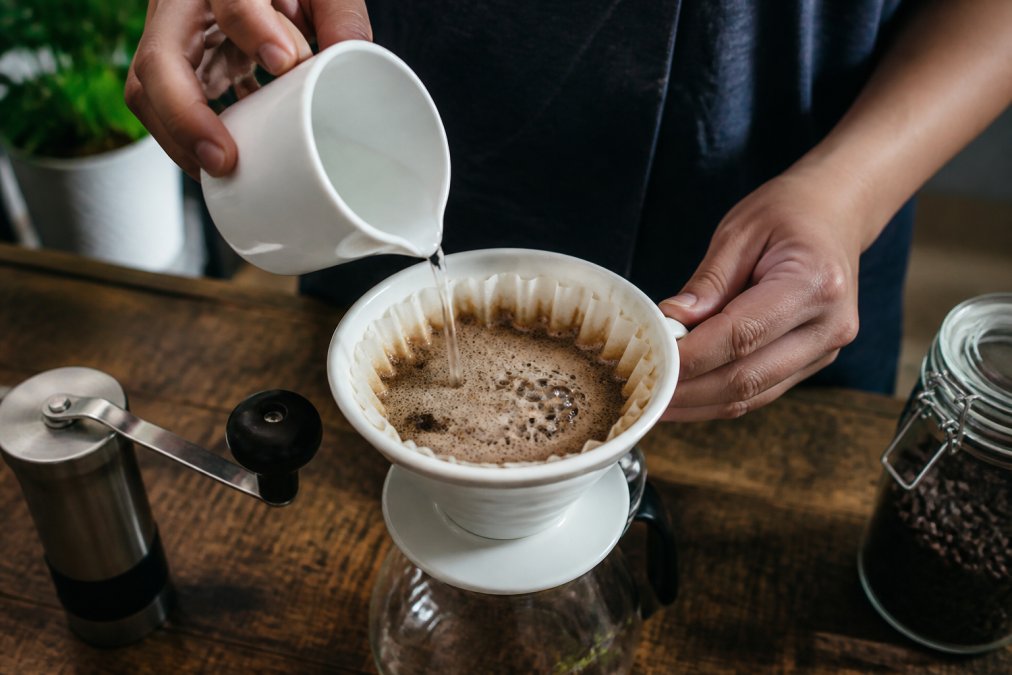
The bloom test is the most objective freshness indicator available to a home brewer. When you pour hot water over freshly ground coffee, residual carbon dioxide trapped inside the bean causes the grounds to bubble and expand. Fresh beans bloom dramatically, rising and foaming for 30 to 45 seconds. Stale beans sit flat, releasing little to no gas.
To run the test: grind a small amount of coffee, place it in a pour-over or French press, and pour just enough hot water to saturate the grounds. Watch what happens in the first 30 seconds. A vigorous, domed bloom signals healthy carbon dioxide content and active degassing. A weak or absent bloom means the gas has already escaped, and with it, much of the flavor potential.
Step 2: The Bag Puff Test
Sealed coffee bags with a one-way valve are designed to let carbon dioxide escape without letting oxygen in. If you squeeze a sealed bag and it feels firm and pressurized, that’s a sign the beans are still actively off-gassing, a strong freshness indicator. A bag that feels completely flat suggests the degassing period has passed.
Step 3: Aroma and Fragrance Assessment
Open the bag and take a slow, deliberate inhale. Fresh beans have a pronounced, complex fragrance: fruity brightness in light roasts, caramel and chocolate in medium roasts, smoky depth in dark roasts. The aroma should hit you immediately and linger.
Stale beans smell faint, papery, or vaguely musty. Some develop a slightly rancid oil smell, particularly darker roasts where surface oils have oxidized. If you have to work to detect any aroma at all, the beans have lost most of their volatile aromatic compounds.
Step 4: Visual Inspection of Beans
Look at the surface of the beans under good light. Fresh, well-rested beans have a consistent, slightly matte appearance. Medium and dark roasts may show a light, even sheen from natural oils, which is normal.
Watch for these warning signs:
- Excessively glossy or wet-looking beans: Indicates over-aging or improper storage
- Dull, chalky, or dusty appearance: Suggests the beans have dried out significantly
- Uneven color or visible mold: Discard immediately
- Excessive breakage or powder at the bottom of the bag: Points to old, brittle beans
Step 5: Taste and Flavor Profile Changes
Brew a cup using your standard method and taste it critically. Fresh coffee has clean acidity, identifiable tasting notes, a pleasant finish, and good body. Stale coffee tastes flat and one-dimensional, with bitterness without complexity, a papery aftertaste, or absence of expected acidity.
Signs of Stale Coffee Beans (And What Caused It)
Stale coffee beans result from one or more degradation processes running unchecked. Recognizing the specific signs helps you trace the cause and prevent it next time.
| Sign | Likely Cause | Impact on Cup |
|---|---|---|
| Flat bloom, no bubbling | CO₂ fully depleted | Poor extraction, thin body |
| Faint or absent aroma | Volatile compounds lost | Dull, flavorless cup |
| Rancid or oily smell | Surface oil oxidation | Bitter, unpleasant finish |
| Pale or no crema on espresso | Degassing complete | Flat extraction, weak body |
| Papery or cardboard taste | Oxidation throughout bean | One-dimensional flavor |
| Glossy, wet-looking surface | Oil migration from aging | Off-flavors, rancidity risk |
The most common culprits are oxygen exposure, moisture, and heat degradation. Leaving beans in an open bag, storing them near a stove or window, or transferring them to a non-airtight container accelerates all three processes simultaneously.
Coffee Roast Date vs Expiration Date: What Actually Matters
The roast date and expiration date are not the same thing. The roast date tells you when the coffee was roasted; the expiration date tells you when the manufacturer considers the product no longer safe to consume.
Most whole bean coffee is technically safe to drink for months past its roast date. But “safe to drink” and “worth drinking” are entirely different standards. The flavor profile peaks within a specific window after roasting; after that window closes, cup quality drops steadily regardless of expiration dates.
The roast date is the number that actually matters. As documented in research on coffee oxidation and shelf life from the Institute of Food Technologists, oxidation rates in roasted coffee accelerate with oxygen exposure, making roast date far more meaningful than printed expiration dates.
Freshness Windows by Roast Level
Roast level significantly affects how long beans stay at peak quality. Lighter roasts retain their delicate acidity and floral notes longer because they have less surface oil exposed to air. Darker roasts taste their best sooner but degrade faster once that window passes.
General freshness windows for whole beans stored in a sealed, airtight container:
- Light roast: Best between 7 and 21 days post-roast; acceptable up to 4-6 weeks
- Medium roast: Best between 5 and 14 days post-roast; acceptable up to 3-4 weeks
- Dark roast: Best between 3 and 10 days post-roast; acceptable up to 2-3 weeks
These windows assume proper storage. Poor storage conditions compress them significantly.
The Resting Period: When Fresh Beans Aren’t Ready Yet
Beans that are too fresh can also produce a subpar cup. Immediately after roasting, beans off-gas so aggressively that extraction becomes uneven. The escaping carbon dioxide pushes water through the grounds too quickly, resulting in an underdeveloped, grassy, or sour flavor.
Light roasts typically need 5 to 10 days of rest. Medium roasts are usually ready within 3 to 7 days. Dark roasts, which off-gas faster, often need only 1 to 3 days before they’re ready to brew.
How to Store Coffee Beans for Maximum Freshness
Proper storage is the single biggest variable within your control once you have fresh beans. The goal is to minimize all four freshness enemies: oxygen, moisture, light, and heat.
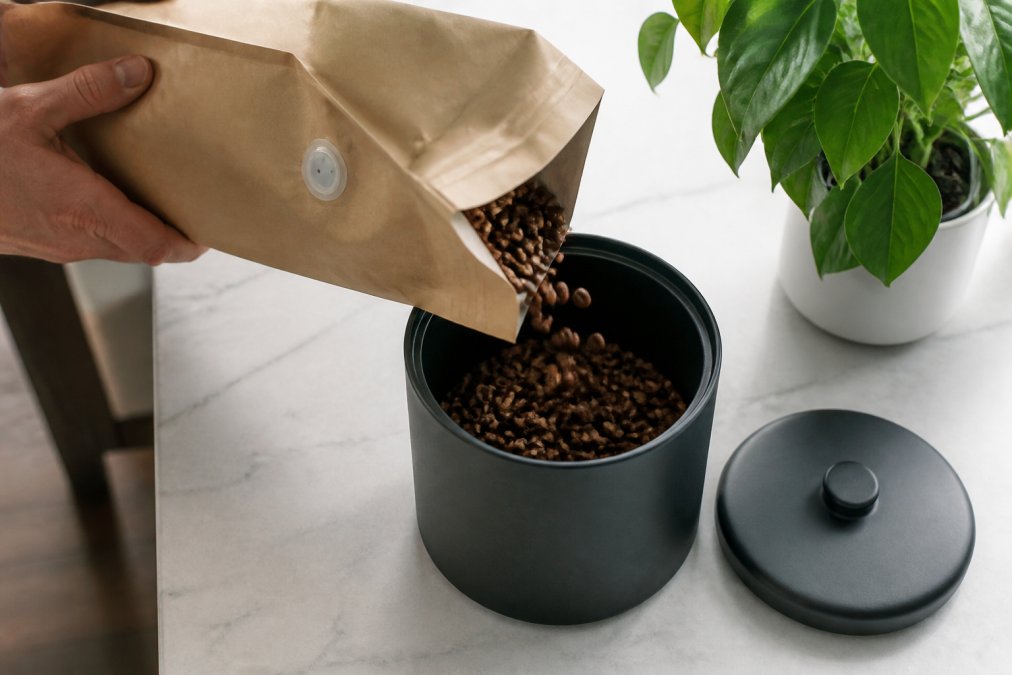
Keep beans in an opaque, airtight container at room temperature, away from heat sources and direct light. A dark cupboard away from the stove is ideal. Avoid the refrigerator for daily-use beans; moisture and temperature fluctuations do more harm than good.
Packaging Technology and One-Way Valve Bags
One-way valve bags allow carbon dioxide to escape during degassing without letting oxygen in. This extends the shelf life of whole beans significantly compared to standard sealed bags or open containers.
When you receive beans in a one-way valve bag, you can leave them in that bag until you’re ready to use them, resealing it tightly after each use. Once you open the bag frequently, transferring the beans to a dedicated airtight container reduces cumulative oxygen exposure over time.
Avoid bags without valves for storage. Without a valve, you face a choice between leaving the bag slightly open (oxygen enters) or sealing it completely (pressure builds). Neither is ideal for maintaining cup quality.
Freezing as a Preservation Method
Freezing is a legitimate preservation method when done correctly. The key is that freezing works well for long-term storage of whole beans you won’t use for weeks, but it introduces problems if done carelessly.
The correct approach:
- Divide beans into single-use portions before freezing
- Seal each portion in an airtight, moisture-proof bag or container (remove as much air as possible)
- Freeze once, never refreeze thawed beans
- When ready to use, allow the sealed portion to come to room temperature before opening (prevents condensation)
- Grind immediately after thawing
According to food science guidance on freezing and flavor preservation, freezing slows oxidation dramatically when oxygen is excluded from the package. The failure mode with frozen coffee is almost always moisture contamination, not the freezing itself.
Sensory Calibration for Beginners: Training Your Nose and Palate
Sensory evaluation is a skill built through deliberate repetition rather than innate talent. The biggest mistake beginners make is trying to evaluate coffee in isolation, without a reference point.
Start by building a freshness baseline. When you open a new bag of beans within their optimal freshness window, smell them carefully before brewing. Then brew a cup and taste it slowly. Write down three words that describe the aroma and three that describe the flavor. This becomes your reference point.
A few practical calibration exercises:
- Compare fresh vs. old side by side: Brew two cups from the same origin, one from beans within their peak window and one from beans that are 6 to 8 weeks past their roast date. The contrast is usually striking
- Practice the bloom test consistently: Doing it every brew builds your intuition for what a healthy bloom looks like
- Smell before you grind: Whole beans release less aroma than ground coffee. Get in the habit of smelling both to understand how grinding amplifies fragrance
Fresh Coffee Beans Delivered: What to Expect When Ordering Online
Ordering coffee online raises a legitimate question: how do you know if coffee beans are fresh when you can’t smell or inspect them before they arrive? The answer lies in understanding how the roaster operates and what to look for when the bag lands on your doorstep.
The most reliable indicator is a roaster that stamps a roast date on every bag. This tells you exactly when the beans were roasted and lets you calculate where you are in the freshness window. Avoid any roaster whose bags show only an expiration date with no roast date.
Promise Roast Co. roasts every order fresh before it ships, with a 1 to 5 day processing window to ensure beans are rested and ready when they arrive. That processing window accounts for the resting period, so the beans are in their optimal flavor window by the time they reach your door.
When your bag arrives, run through the sensory tests in order: check the bag puff, open and smell, inspect the beans visually. If the roast date is within the freshness window for that roast level and the aroma is pronounced, you have fresh beans.
Free shipping options make it easier to order in smaller quantities more frequently, which is the smarter approach for freshness than buying in bulk and storing for weeks. Batch roasting on demand, rather than pre-roasting large quantities for inventory, is the structural difference between a coffee that tastes alive and one that tastes like it’s been sitting on a shelf.
Stale coffee is a solvable problem, but only if you know what to look for. The sensory tests in this guide give you a repeatable, practical framework for evaluating beans before and after brewing, no specialized equipment required. Promise Roast Co. takes the guesswork out of the freshness question by roasting to order, stamping every bag with a roast date, and shipping with free delivery so you can order smaller, fresher batches as often as you need. Shop Coffee and taste the difference that a genuine roast date makes.
Frequently Asked Questions
Do coffee beans have an expiration date?
Coffee bags often carry a ‘best by’ date, but that date reflects shelf stability, not peak flavor. Fresh coffee beans are best within 2 to 4 weeks of the roast date for whole beans, and within days once ground. A bag that hasn’t expired can still taste flat and stale if it was roasted months ago. Always check the roast date first, that number tells you far more about cup quality than any expiration stamp.
How can you tell if coffee beans have gone rancid?
Rancid coffee beans smell sour, musty, or faintly like cardboard rather than the warm, complex aroma of fresh roasted coffee. Oil migration causes the bean surface to look excessively greasy and dark, especially on lighter roasts that shouldn’t have much surface oil. Brewed rancid coffee tastes flat, bitter without depth, and sometimes sour. If the bloom test produces no bubbles at all, that’s a strong indicator the beans are past their best and degassing is complete.
How long does coffee stay fresh after it’s ground?
Ground coffee begins losing its flavor profile almost immediately due to increased oxygen exposure and the release of carbon dioxide. Pre-ground coffee stored in an airtight container at room temperature stays reasonably fresh for about 1 to 2 weeks, though most coffee professionals notice a significant drop in aroma and acidity within the first 30 minutes after grinding. For the best cup quality, grind whole beans just before brewing and keep unground beans in a sealed, opaque container away from heat and light.
Are old coffee beans still safe to drink?
Old coffee beans are generally safe to drink, they won’t make you sick. The real issue is cup quality. After oxidation and degassing are complete, the flavor profile turns dull, flat, and sometimes bitter without the brightness or complexity of fresh coffee beans. Beans stored properly in an airtight container away from moisture and light hold their safety indefinitely, but the sensory experience degrades significantly after 4 to 6 weeks past the roast date.
This article was written using GrandRanker