Table of Contents
- What to Expect When You Order Fresh Roasted Coffee
- The Roast-to-Ship Timeline: Why Fresh Coffee Needs Time
- How Long to Let Coffee Beans Rest Before Brewing
- Shipping Time vs. Roast Date: What Actually Matters
- How to Tell if Coffee Beans Are Fresh When They Arrive
- Understanding Your Delivery Window and Peak Freshness
- Conclusion: Plan Your Order for the Best Cup
- Frequently Asked Questions
Last Updated: September 5, 2026
What to Expect When You Order Fresh Roasted Coffee
Most coffee drinkers have experienced the disappointment of a bag that tastes flat or stale. The root cause is often a mismatch between when the beans were roasted and when they actually reached your cup. Setting realistic fresh roasted coffee shipping time expectations is the first step toward consistently great brews.
Coffee shipping time is about more than logistics; it is the bridge between the roaster’s craft and your morning ritual. At Promise Roast Co., we roast every order individually after you place it, which means your beans begin their journey at the peak of their potential. This guide from our team explains the timeline from roast to doorstep, why a short wait actually improves your coffee, and how to tell if what arrived is truly fresh.
The key insight is this: a few extra days in transit are not a drawback. They are part of the freshness window. Below, we’ll show you exactly how the roast-to-ship process works, why resting matters, and how to plan your orders so you never run out of beans that are ready to brew.
The Roast-to-Ship Timeline: Why Fresh Coffee Needs Time
The moment coffee beans leave the roaster at temperatures above 400°F, they enter a volatile state (peer-reviewed research). Over 40% of the bean’s weight is carbon dioxide (CO2) trapped during the roasting process, and that gas needs an escape route (sca.coffee). This is degassing, and it is the single most important factor in your fresh roasted coffee shipping time expectations.
Here is the mechanism most shipping policies never explain: CO2 is not just a byproduct, it is a shield and a saboteur. In the first 24 to 72 hours after roasting, the bean is off-gassing so aggressively that water cannot properly penetrate it during brewing. If you brew too early, the gas pushes water away from the coffee grounds, leading to an under-extracted, sour, and hollow cup. This is why the Specialty Coffee Association’s brewing handbook recommends a minimum rest period before grinding, regardless of roast level.
Your shipping window is not a delay; it is the bean’s controlled respiration phase. Here is what actually happens during each stage of the timeline:
-
Roast day (Day 0): The bean’s internal temperature has reached 380-410°F. The bean is brittle, and CO2 pressure inside the cellular structure is at its maximum. Sealing beans at this stage would cause the one-way valve to vent rapidly, but flavor compounds are still unstable.
-
Resting period (Days 1-3): The bean releases roughly 60-70% of its total CO2 during this window. The rate is fastest in the first 12 hours, then tapers. Dark roasts degas faster because their cellular structure is more fractured; light roasts hold gas longer, which is why they need extended rest.
-
Packaging (Days 2-4): The roaster seals the bag with a one-way valve. This valve is critical: it lets residual CO2 escape without letting oxygen in. Oxygen is the enemy, it oxidizes the delicate oils that carry flavor. A properly sealed bag with a functioning valve keeps the internal environment inert.
-
Processing (Days 1-5): This is the roaster’s internal lead time. Roast-to-order operations like ours do not ship from a warehouse of pre-roasted stock; your bag is labeled and handed to the carrier only after the resting period completes.
-
Transit (Days 2-5): During transit, the bean continues to degas at a slower, steadier rate. By the time the package reaches your door, the bean has typically released 80-90% of its CO2. It is now entering its optimal extraction window, the gas is low enough for water to saturate the grounds evenly, but the volatile aromatic compounds are still intact.
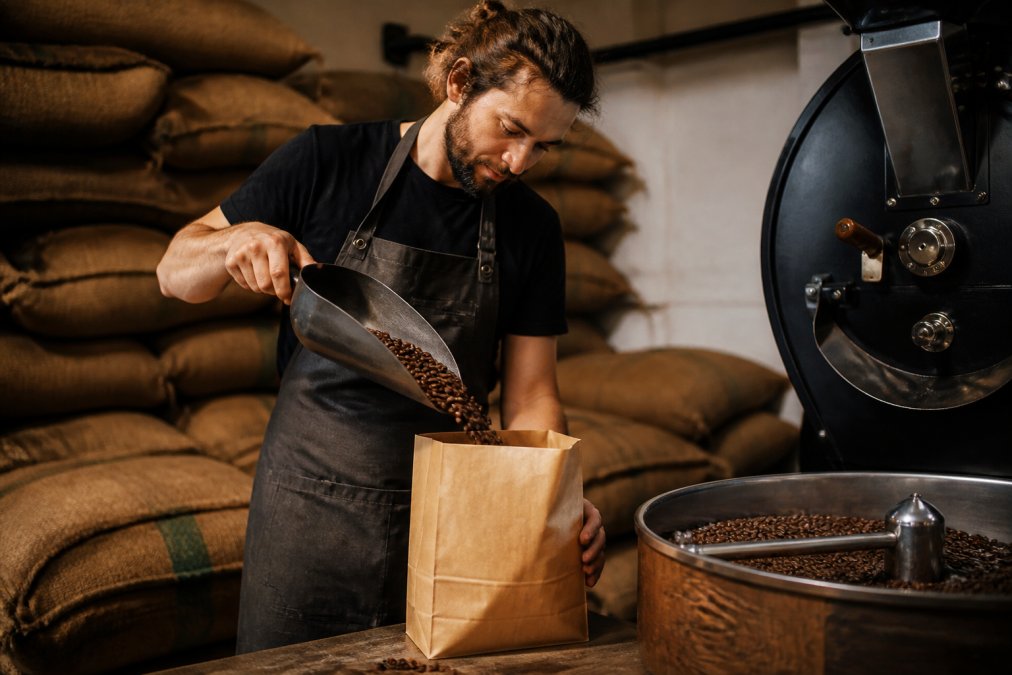
The practical implication: if your coffee arrives 3-5 days after the roast date, you are not receiving a stale product. You are receiving a bean that has completed its most turbulent degassing phase. The transit time is the rest period. This is why we roast on the day you order, so that the 2-5 days your package spends in the U.S. Postal Service or UPS network doubles as the bean’s necessary rest, not as idle shelf time.
A common pattern among specialty roasters is to ship beans 1-3 days post-roast, meaning the consumer receives them at day 4-8. That timing is not accidental, it aligns with the window where light and medium roasts begin to taste their best. The next time you track a package, remember: every mile the truck travels is a day the bean is settling into its peak flavor structure.
How Long to Let Coffee Beans Rest Before Brewing
The question of how long to let coffee beans rest before brewing depends on the roast level. Lighter roasts are denser and release gas more slowly, so they often taste best a few days longer after roasting than dark roasts do.
| Roast Level | Resting Period | Best Brewing Window |
|---|---|---|
| Light | 5-7 days | 1 to 4 weeks after roast |
| Medium | 3-5 days | 5 days to 4 weeks after roast |
| Dark | 2-4 days | 4 days to 3 weeks after roast |
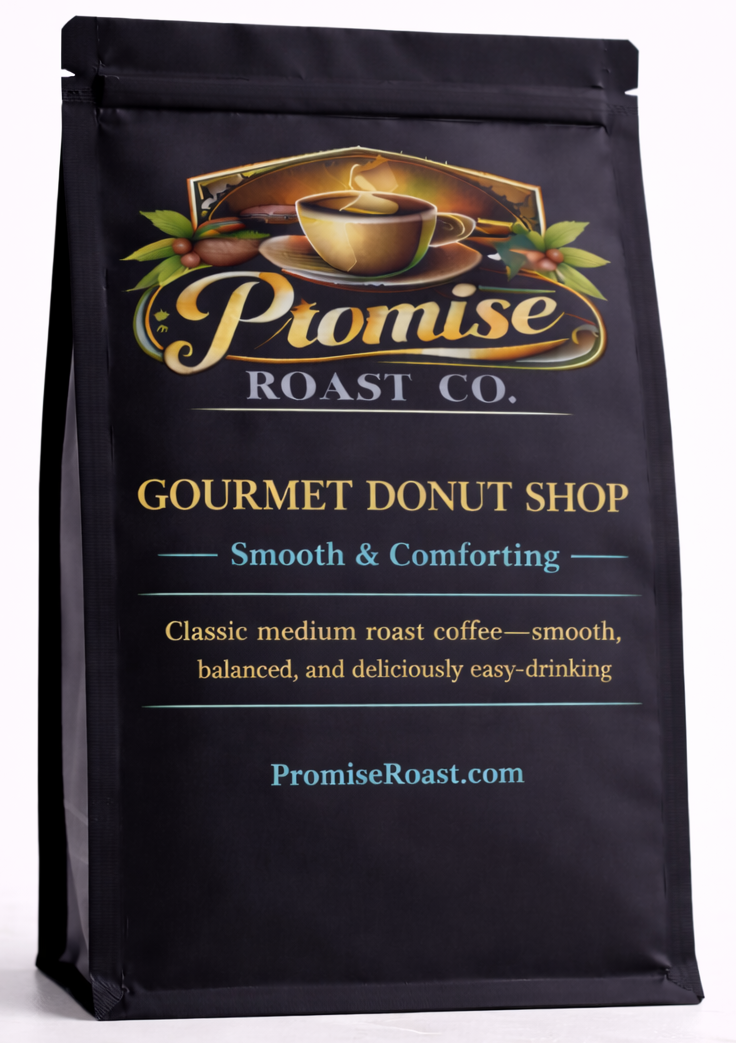
For most medium roasts, like our House Blend, resting for about three to five days after the roast date allows the coffee to degas enough for a fuller extraction. This resting period is why the transit time is actually a benefit: by the time your order arrives, it is often entering its optimal flavor window.
A common mistake is grinding and brewing beans the same day they are roasted. The coffee will bloom aggressively but can taste hollow and overly acidic. Patience here is rewarded with a sweeter, more balanced cup.
Shipping Time vs. Roast Date: What Actually Matters
When you are tracking a package, the delivery estimate feels urgent. But for flavor, the roast date is the number that matters most. Coffee shipping time is simply the interval between the roastery and your grinder; the roast date tells you where the beans are in their freshness lifecycle.
Here is the distinction that most guides miss. A bag that shipped quickly but was roasted months ago will taste stale. A bag that took five business days to arrive but was roasted the week prior is likely hitting its peak. The coffee extraction quality depends on the beans resting adequately and being brewed within their freshness window.
Order processing schedules also play a role. Roasters that operate on a roast-to-order model, as we do at Promise Roast Co., typically process orders within 1-5 days before handing them to the carrier. This means the transit clock starts after the beans are ready, not before. For the freshest results, look for a roaster that states the roast date on the bag and roasts after the order is placed rather than relying on warehouse distribution of pre-roasted stock.
How to Tell if Coffee Beans Are Fresh When They Arrive
Checking the roast date is the most reliable method, but there are sensory clues you can use to confirm freshness when the bag arrives. Fresh whole bean coffee should look matte, not shiny or oily on the surface, unless it is a very dark roast.
- Aroma: The bag should smell intensely of coffee, chocolate, fruit, or nuts, with no hint of mustiness.
- Bloom: When you pour hot water over freshly ground coffee, it should bubble and expand. A weak bloom signals old beans.
- Crush test: Squeeze a bean between your fingers. Fresh beans are brittle and crack cleanly; stale ones tend to crumble or feel soft.
- Carbon dioxide: A one-way valve on the bag should feel slightly puffed if the coffee was sealed recently.
If the beans pass these checks, they are within their peak freshness. The aroma and bloom are your best allies, because they directly reflect the volatile compounds that degassing protects.
Understanding Your Delivery Window and Peak Freshness
Peak freshness is not a single day, it is a window that opens after the bean has degassed sufficiently and closes when oxidation degrades the volatile compounds. For most roasts, that window runs from roughly day 4 to day 28 after the roast date. Your delivery window should land inside that opening, not before it.
Here is the delivery math most consumers get wrong. A roaster’s stated shipping time is only the carrier transit leg. The full timeline is: roast date + rest period + processing time + carrier transit. If a roaster roasts on Monday, rests for 2 days, processes for 1 day, and the carrier takes 3 days, your coffee arrives on day 7, squarely in the optimal window for a medium roast. If you order from a roaster that ships pre-roasted warehouse stock, the roast date could be 2-3 weeks old before it even reaches the carrier, meaning it arrives near the tail end of its peak window.
Carrier transit times in the United States follow a predictable pattern: USPS Priority Mail typically delivers in 2-3 business days within the same zone and 3-5 business days cross-country. UPS Ground and FedEx Ground operate on a 1-5 business day schedule depending on distance from the roastery’s origin hub. Most roasters hand off to the carrier between 1:00 PM and 4:00 PM local time; packages dropped after the carrier’s daily pickup cutoff sit until the next business day. This is why order cutoff times matter, a 2:00 PM cutoff means an order placed at 2:01 PM effectively adds a full day to your timeline.
The seasonal factor no shipping policy addresses:
Extreme temperatures during transit physically alter the bean. In summer months, delivery trucks and mail vans can reach internal temperatures of 130-150°F (usps.com). At those temperatures, the oils in roasted coffee begin to migrate to the bean’s surface, accelerating oxidation. Beans that arrive in July heat can taste noticeably more flat and lose their aromatic brightness within days of delivery. In winter, freezing temperatures do not damage the bean itself, but rapid temperature swings between the cold truck and your warm kitchen can cause condensation inside the bag, introducing moisture that degrades quality.
What this means for your ordering schedule:
- Summer (June-August): Order beans that will spend minimal time in transit. Choose roasters located closer to you, or pay for expedited shipping during heat waves. Avoid leaving packages in direct sunlight or in a hot mailbox for extended periods, retrieve them promptly.
- Winter (December-February): Allow an extra 1-2 business days for weather-related carrier delays, especially in the Midwest and Northeast during storm systems. Let the sealed bag acclimate to room temperature for 2-3 hours before opening to prevent condensation.
- Shoulder seasons (Spring/Fall): Transit conditions are mild, and beans travel well. This is the best time to order from distant roasters to sample their offerings.
Building your reorder buffer:
If you consume about 2 ounces of coffee per day (roughly a 12-ounce bag per week), your reorder trigger should be based on the roast date, not the delivery estimate. A practical rule: when you open a new bag, immediately order your next one. This gives you a 7-10 day buffer that absorbs both processing time and carrier delays while keeping your next delivery arriving just as the current bag’s peak window closes.
For espresso drinkers, the delivery window matters even more. Espresso requires beans rested 7-14 days post-roast for optimal crema production and even extraction. If your beans arrive at day 5, they may need another 2-9 days of rest before pulling your first shot. Pour-over and drip drinkers can brew immediately upon arrival at day 5-7. This roast-to-brew-method alignment is the difference between a good cup and a great one.
Conclusion: Plan Your Order for the Best Cup
The biggest challenge with fresh coffee is not the shipping time; it is planning ahead enough to let the beans rest and arrive at their peak. When you understand that transit is part of the degassing process, the wait becomes a feature, not a frustration.
For coffee that is roasted fresh after your order is placed, with a 1-5 day processing window and free U.S. shipping, Promise Roast Co. takes the guesswork out of the timeline. Our small-batch approach ensures your beans arrive rested and ready to brew, whether you choose a single-origin like our bright Colombia or the smooth, consistent House Blend. Get started with Promise Roast Co. and make every bag count from the first sip.
Frequently Asked Questions
How long should I wait after roasting before brewing coffee beans?
Most specialty coffee roasters recommend waiting between 3 and 7 days after the roast date before brewing. This resting period allows the beans to release carbon dioxide from the roasting process, which would otherwise cause an uneven extraction and flat flavor. While you can brew sooner, the coffee’s full flavor profile typically emerges after day 4. For espresso, many baristas prefer waiting closer to the 7-day mark.
Does shipping time affect the freshness of artisan coffee?
Shipping time matters less than the total time between the roast date and when you brew. Coffee remains at peak freshness between 1 and 4 weeks after roasting. Since most orders arrive within 2 to 5 business days, the beans are still resting or just entering their optimal window when they reach you. The bigger risk is coffee sitting in a warehouse for months before shipping, which is why roast-to-order roasters like Promise Roast Co. focus on fresh roasting.
How can I tell if my coffee beans are fresh after shipping?
Check the roast date on the bag first; it should be within the last two weeks. Fresh whole bean coffee should have a strong, sweet aroma when you open the bag. Look for a visible bloom when you pour hot water over freshly ground coffee: the grounds should bubble and expand as trapped carbon dioxide escapes. If there is no bloom and the beans smell flat or stale, the coffee is past its peak freshness window.