Shopping at Promise Roast Co.: This store currently offers one-time purchases. Automatic recurring subscriptions are not available. Subscription services discussed below are general comparisons. See current products and pricing.
Table of Contents
- Paddle and Brew vs Artisan Roasters: A Quick Comparison
- The Benefits of Small Batch Roasted Coffee
- How to Choose Artisan Coffee Beans
- Where Paddle and Brew Excels
- Where Artisan Roasters Like Promise Roast Co. Win
- Pricing and Value Breakdown
- Which One Should You Pick?
- Frequently Asked Questions
Last Updated: September 11, 2026
Paddle and Brew vs Artisan Roasters: A Quick Comparison
Paddle & Brew describes itself as a micro-roastery. That does not support characterizing it as a shelf-stable subscription service. Compare the published coffee selection, roast information, and ordering terms of each business. Source: Paddle & Brew.
This guide breaks down where each option wins, where it falls short, and which one matches how you actually drink coffee.
Winner: Promise Roast Co. for anyone who wants peak freshness and small-batch flavor. Choose a convenience-focused service if set-and-forget delivery matter more than roast date.
The Benefits of Small Batch Roasted Coffee
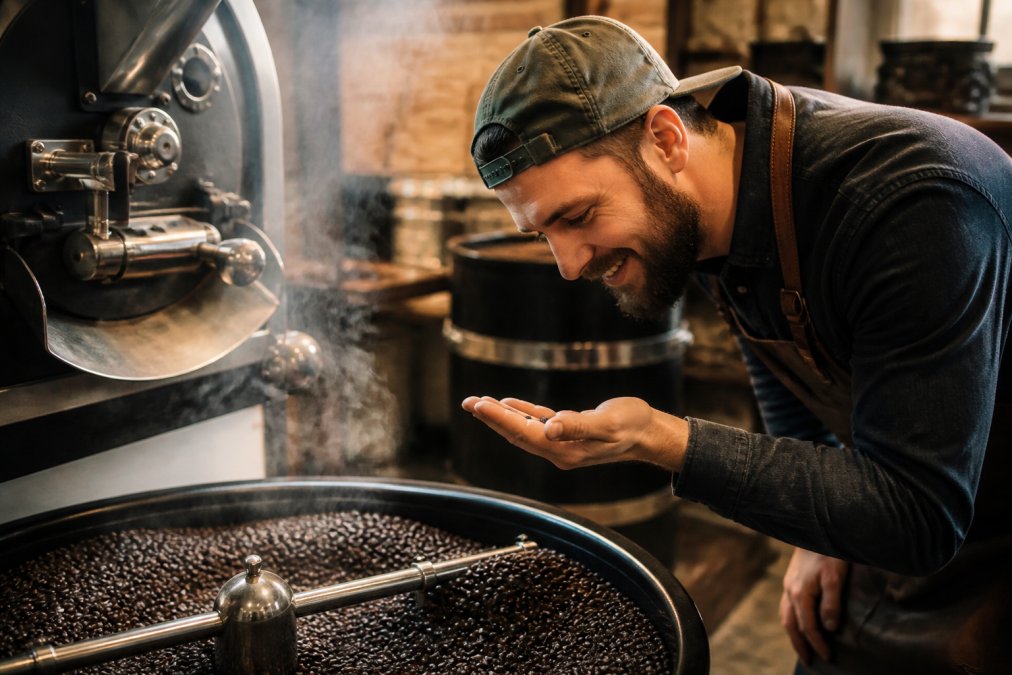
Small batch roasted coffee delivers two advantages mass-produced coffee struggles to match: freshness and flavor complexity. Small quantities mean closer attention and beans that reach your kitchen within days of roasting rather than months. The difference is mechanical, not marketing, it comes down to how heat moves through the bean and how quickly the roaster can react.
Freshness You Can Taste
Coffee begins losing its best qualities soon after roasting. Oxygen, light, and time work against the oils that carry flavor, so a small-batch roaster shortens the gap between roast and cup. The first sip of a freshly roasted batch tastes noticeably brighter than a bag that has sat on a shelf.
A subscription does not by itself tell you how recently coffee was roasted. Check the roast date and the roaster’s stated processing and delivery times. Storage conditions, packaging, and brewing preferences also affect the experience.
Roasting Temperatures and Profiles
A roast profile is the record of bean temperature over time, the single biggest lever a roaster controls. Most small-batch roasters work through three phases:
- Drying phase, roughly the first 4 to 6 minutes, when the bean loses moisture and turns from green to yellow.
- Maillard phase, the middle stretch, where sugars and amino acids react to build the bready, chocolatey, nutty notes most drinkers recognize.
- Development phase, from first crack to drop, where acidity drops and body builds. A longer development window produces a rounder cup; a shorter one keeps more brightness.
First crack typically lands in the 385°F to 401°F bean-temperature range, and second crack follows roughly 15°F to 25°F higher (sca.coffee). Where a roaster drops the batch determines whether the bag reads as light, medium, or dark. A commercial roaster optimizing for shelf life pushes development longer and darker, because darker roasts stale more slowly. A small-batch roaster optimizing for flavor can stop earlier and ship fast.
Flavor Complexity and Consistency
Small batches let a roaster dial in a profile for a specific bean rather than a generic blend, producing layered notes: chocolate, citrus, floral, or oak, depending on origin and roast level. Consistency comes from repetition at a small scale, where a roaster can taste and adjust batch by batch.
Consistency also comes from measurement. Roasters track bean temperature, rate of rise, and total roast time, then compare each batch against the last. Logging those numbers means a good batch can be repeated instead of guessed at, the practical difference between “small batch” as a label and as a process.
The Long-Term View: Maintenance and ROI
Most comparisons stop at the bag price and never ask what the equipment costs to own.
Home roasting equipment carries real upkeep. Entry-level fluid-bed roasters are inexpensive but burn out heating elements with heavy use. Mid-range drum roasters need periodic bearing checks, drum cleaning to remove chaff and oil buildup, and occasional replacement of thermocouples or probes. Chaff collectors and cooling trays need clearing every few batches. None of these costs are large individually, but they accumulate, which is why a home roaster’s true cost per pound is higher than the green bean price suggests.
Depreciation matters too. A roaster used twice a week will last years; the same unit run daily at capacity will not. Roast a pound a week and the equipment cost spread across those pounds is modest. Roast a pound a month and the machine may never pay for itself against simply buying roasted coffee.
The honest ROI question is not “is home roasting cheaper” but “how much do I roast, and how much is my time worth.” Roasting, cooling, and cleaning a batch commonly takes 30 to 45 minutes of hands-on time. For a heavy drinker who enjoys the process, that math works. For someone who wants a great cup with no equipment to maintain, a roast-to-order bag removes the maintenance and depreciation line entirely.
How to Choose Artisan Coffee Beans
Choosing artisan coffee beans starts with three labels: roast date, origin, and processing method. Read those first, then match the flavor profile to how you brew.
Roast Date, Origin, and Processing
Roast date is the single most useful piece of information on a bag. The closer to today, the better the cup. Origin tells you where the beans grew, and single-origin beans let you taste one region’s character without a blend muting it. Processing (washed, natural, or aged) shapes how much fruit, acidity, or depth comes through.
For a single-origin example, the Specialty Coffee Association’s green coffee guidance explains how origin and processing influence flavor before roasting even begins.
Cupping Notes and Flavor Profiles
Cupping notes describe what a trained taster detects in the cup, a useful shortcut, not a guarantee. If a bag lists “smooth chocolate, toffee, floral tones,” the roaster intends a balanced, medium-bodied cup rather than a sharp, acidic one.
Match the notes to your brewing method. A dark, full-bodied roast suits espresso and drip, while a medium roast shines in pour-over and cold brew.
Where Paddle and Brew Excels
Convenience-focused services win on predictability. They are designed for people who want good coffee without thinking about it: set a preference, get a delivery, repeat. For a busy professional who values routine over experimentation, that model works.
Their strength is consistency at scale: you know roughly what you’re getting each time, and the subscription removes the decision-making. The trade-off is that convenience-first models prioritize shelf stability, which can mean a wider gap between roast date and your doorstep.
Where Artisan Roasters Like Promise Roast Co. Win
Artisan roasters like Promise Roast Co. win on freshness, flavor, and craft. Promise Roast Co. roasts every order individually in small batches, so beans ship within 1-5 days of roasting rather than sitting in a warehouse, a difference that shows up in the cup.
The range covers most brewing styles:
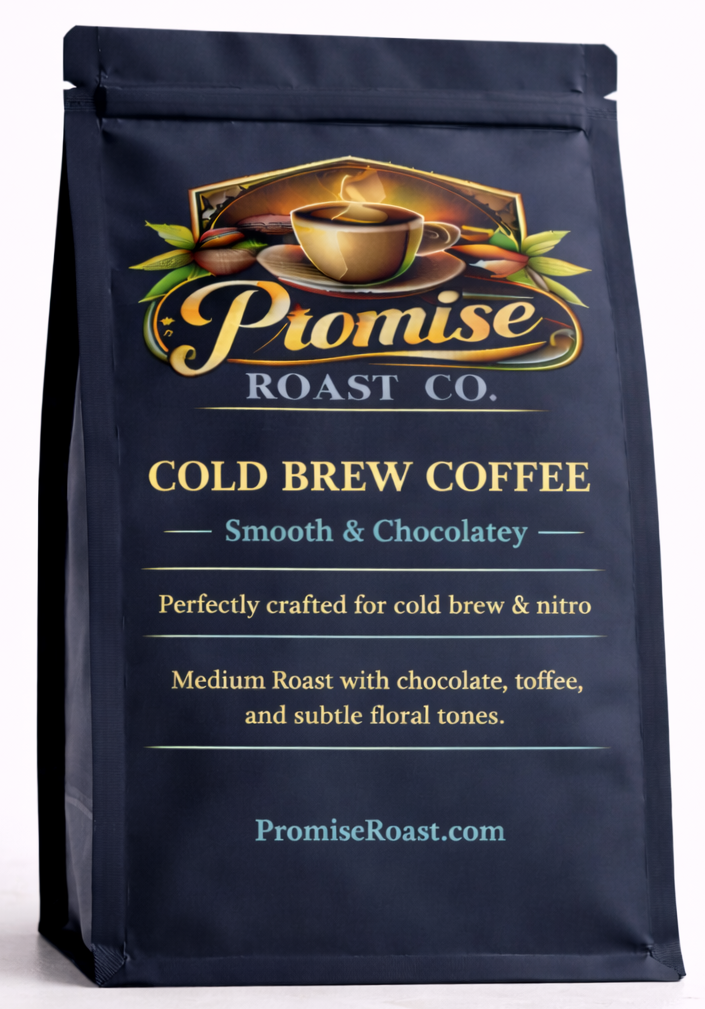
- Cold Brew Coffee: a smooth medium roast with chocolate, toffee, and floral notes, built for cold brew or nitro.
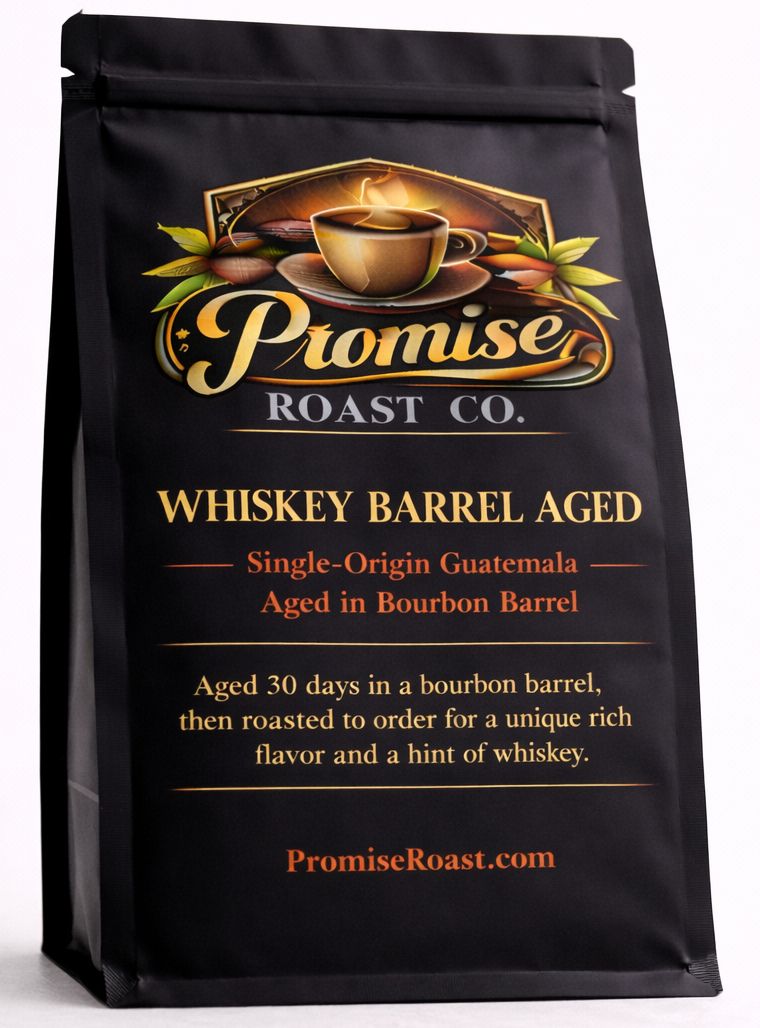
- Whiskey Barrel Aged: single-origin Guatemala beans aged 30 days in a bourbon barrel, with warm oak and a whiskey-kissed finish.
- 6 Bean Blend: a bold dark-roast house blend made for espresso, lattes, and strong drip.
- Italian Roast: the darkest roast, a slow-roasted Arabica and Robusta blend for a full-bodied cup.
- French Roast: a dark Central American blend with classic dark-roast character.
Free U.S. shipping and roasting-to-order make the freshness promise concrete rather than marketing language.
Pricing and Value Breakdown
Pricing looks similar on the surface, and that’s the trap. Both approaches land in a comparable per-bag range, but what you get differs: a convenience subscription buys predictability, while a roast-to-order artisan bag buys freshness you can taste. The deeper question most comparisons skip is what each path costs to own over a year, not just at checkout.
Review Paddle & Brew’s current offerings directly rather than assuming a subscription model or shelf-storage timeline. Visit Paddle & Brew. Promise Roast Co. offers one-time purchases with free U.S. shipping.
Cost Per Cup, Not Cost Per Bag
A 12-ounce bag typically brews between 16 and 24 cups, depending on dose and method. Check the product page for current pricing, package size, and available options. To compare cost per serving, divide the current package price by the number of servings you actually brew.
The comparison shifts once you factor in what you would otherwise spend. A daily café habit at $4 to $6 per drink runs $1,400 to $2,100 a year. A roast-to-order bag every two weeks runs closer to $570 a year and delivers fresher coffee than most cafés pour. That is the value case that matters for a daily drinker.
The Home Roasting Math Nobody Runs
Home roasting is where the cost analysis usually goes wrong, because the green bean price is the only number people quote. Green coffee commonly sells for $5 to $9 per pound, and beans lose roughly 15% to 20% of their weight during roasting, so a pound of green yields about 12 to 13 ounces roasted. On paper, that looks like a fraction of retail.
The paper math ignores three lines:
- Equipment. A usable drum or fluid-bed roaster runs from a couple hundred dollars at the entry level to well over a thousand for a machine with real temperature control. That cost has to be spread across every pound you roast.
- Maintenance and replacement parts. Probes, thermocouples, bearings, and heating elements wear out. Chaff and oil buildup needs regular cleaning. These are recurring costs, not one-time ones.
- Time. A batch takes 30 to 45 minutes of hands-on work including cooling and cleanup. If you value your time at all, that is the largest hidden cost in the equation.
Run the numbers honestly and home roasting only wins on cost for someone roasting a pound or more per week and who genuinely enjoys the process. For everyone else, buying roasted from a small-batch roaster is cheaper once time and depreciation are counted.
What You Are Actually Paying For
With a convenience subscription or Promise Roast Co., you are paying for someone else’s equipment, labor, and expertise. The difference is what they optimize for: a convenience subscription optimizes for shelf stability and logistics, which is why roast timing is scheduled rather than triggered by your order. A roast-to-order roaster optimizes for the cup, which is why the processing window is short and shipping is built into the price.
The value question is really about what you’re optimizing for. If you drink coffee daily and want the best cup each morning, paying for freshness is money well spent. If you want the decision handled for you, a subscription delivers that. If you want to roast your own, go in with the full cost picture.
Which One Should You Pick?
Pick Promise Roast Co. if freshness and flavor are your priorities. Roasting to order, a 1-5 day processing window, and free U.S. shipping mean beans arrive close to their peak, the stronger choice for anyone who treats coffee as a daily ritual worth getting right.
Pick a convenience-focused subscription if you want a hands-off approach and don’t mind trading some freshness for convenience. There’s no wrong answer here, only a mismatch between the coffee and how you drink it.
For a deeper look at what “fresh” actually means, the USDA’s guidance on food freshness and storage offers useful context on how storage and time affect quality.
Frequently Asked Questions
What defines an artisan coffee roaster?
An artisan coffee roaster focuses on small-batch production, often roasting to order or in limited quantities to ensure peak freshness. They prioritize bean quality, traceable sourcing, and precise roast profiles. Unlike large commercial operations that roast in bulk for shelf stability, artisan roasters like Promise Roast Co. roast after you order, typically within 1-5 days, so you receive beans at their flavor peak. This approach allows for more control over the roast curve and a fresher cup.
How does small-batch roasting affect coffee flavor profiles?
Small-batch roasting gives the roaster tighter control over temperature, airflow, and development time. That control means first crack and second crack are hit consistently, preventing quaker beans and uneven extraction. The result is a cleaner, sweeter cup with the intended tasting notes, whether that’s chocolate and toffee or floral and oaky. Large commercial roasts often sacrifice nuance for uniformity across huge volumes, while small batches preserve origin character and roast consistency.
Is there a difference between commercial and artisan roasted beans?
Yes. Commercial roasting prioritizes volume, shelf life, and cost, often roasting darker to mask defects and using larger batch sizes that reduce per-bean attention. Artisan roasting prioritizes flavor, freshness, and traceability. Artisan roasters use smaller drums, monitor rate of rise, and may cup every batch. The trade-off is price and availability, but for drinkers who value flavor development and peak freshness, artisan beans deliver a noticeably different experience.
What should I look for when buying coffee from an artisan roaster?
Check the roast date, not just the best-by date. Look for whole beans if possible, and note the origin, processing method, and roast level. A good artisan roaster lists tasting notes and provides brewing recommendations. If you buy pre-ground or pods, confirm they are packed soon after roasting. For example, Promise Roast Co. roasts every order individually and offers single-origin options like Whiskey Barrel Aged, so you can match flavor to your brew method.
Does roasting method impact the freshness of coffee beans?
Absolutely. The roasting method and timing determine how long beans stay fresh. Beans roasted in small batches and shipped within days of roasting retain more volatile aromatics. Once roasted, coffee begins degassing and oxidizing; most beans peak 4-14 days after roast. Artisan roasters who roast to order shorten the time between roast and brew, which preserves flavor. Commercial beans may sit in warehouses for weeks or months, losing the brightness and complexity that fresh roasting provides.
The real challenge is finding coffee that reaches you fresh enough to taste the difference. Promise Roast Co. solves that by roasting every order individually in small batches, with a 1-5 day processing window, free U.S. shipping, and a range that covers cold brew, single-origin, and bold dark roasts. Get started with Promise Roast Co. and taste what roasting to order actually delivers.