Table of Contents
- What’s Driving Seasonal Coffee Flavor Trends in 2026
- Fall and Winter Seasonal Coffee Flavors
- Spring and Summer Seasonal Coffee Flavors
- Best Flavored Coffee Without Artificial Taste
- How to Brew Flavored Coffee at Home
- Natural Coffee Flavoring Techniques
- The Role of Roast Profile in Seasonal Flavor Expression
- Trending Viral Flavors: Ube and Beyond
- Frequently Asked Questions
Last Updated: September 26, 2026
What’s Driving Seasonal Coffee Flavor Trends in 2026
Specialty coffee has shifted from niche to mainstream, with consumers now seeking seasonal experiences tied to intentionality and ritual.
Seasonal coffee flavors reflect how our palates respond to temperature changes and availability: fall craves warmth and spice, while summer seeks brightness and tropical notes. Understanding these preferences helps you choose seasonal coffee flavors that align with your taste.
The most successful seasonal offerings balance authenticity with innovation. Consumers expect real flavor, actual ingredients like maple syrup, cinnamon, or toasted coconut, pushing roasters toward methods that preserve coffee bean integrity.
Fall and Winter Seasonal Coffee Flavors
Autumn and winter dominate seasonal coffee sales, driven by holiday traditions and the desire for comfort. The best flavors evoke coziness without overwhelming the coffee.
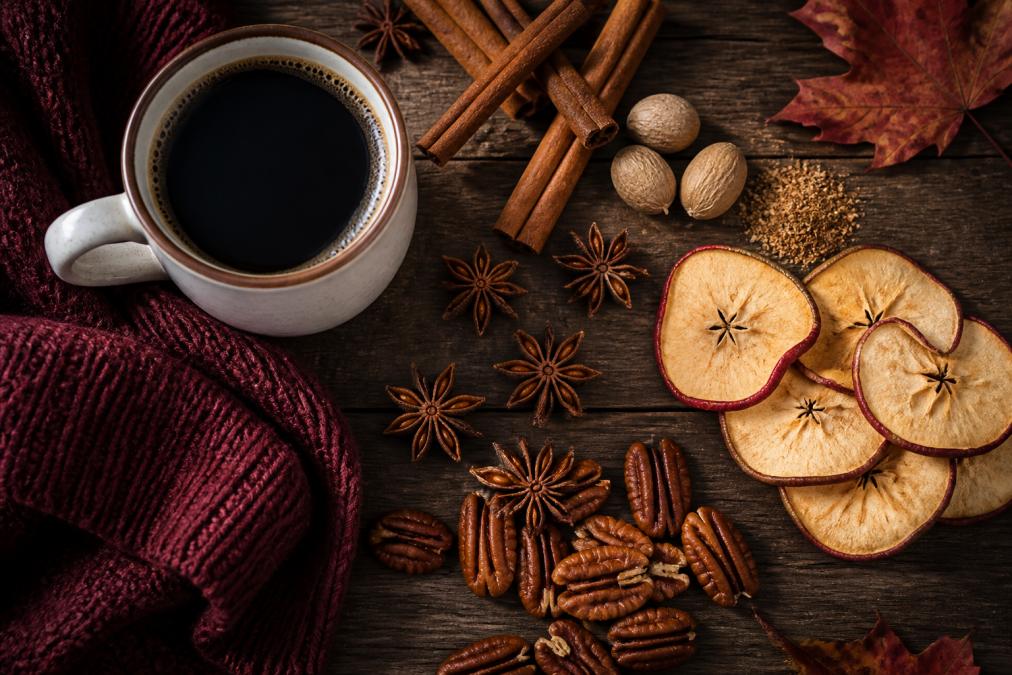
Pumpkin Spice: The Enduring Classic
Pumpkin spice remains the most searched seasonal coffee flavor, combining cinnamon, nutmeg, and clove for familiar comfort despite market saturation.
Pumpkin spice’s versatility, working in drip coffee, lattes, and cold brew, explains its dominance on coffee shop menus. However, market saturation means quality varies dramatically, with many mass-market versions relying on artificial flavoring.
Pros:
- Highly recognizable and comforting
- Works across brewing methods
- Pairs well with milk and cream
Cons:
- Widespread availability means quality inconsistency
- Artificial versions dominate mainstream offerings
- Limited novelty for experienced coffee drinkers
Caramel Apple: Modern Orchard Twist
Caramel apple represents a shift toward nuanced seasonal offerings, combining crisp apple acidity with buttery caramel sweetness for a modern yet approachable profile.
Caramel apple’s appeal lies in its balance: apple acidity cuts through caramel sweetness, preventing cloying flavors and showcasing thoughtful flavor layering.
Pros:
- Unique profile distinct from standard spice blends
- High demand in the 2026 seasonal market
- Balanced sweetness that doesn’t overwhelm
Cons:
- Flavor profile may be too sweet for black coffee purists
- Less widely available than pumpkin spice options
Maple Pecan: Cozy and Nutty
Maple pecan delivers warmth through toasted nut flavors and real maple syrup, appealing to those who appreciate nutty, savory-sweet balance.
Medium roasts work best, preserving natural oils that interact beautifully with pecan flavoring, especially in milk-based drinks.
Pros:
- Comforting and rich flavor
- Pairs exceptionally well with milk
- Versatile across preparation methods
Cons:
- Flavor can be overpowering if over-brewed
- Requires proper brewing technique to avoid bitterness
Brown Sugar Cinnamon: Warm Spice Balance
Brown sugar cinnamon balances tradition and innovation, with cinnamon providing warmth and brown sugar adding subtle sweetness.
This versatile flavor works across roast levels and brewing methods, explaining its popularity among daily drinkers seeking reliability.
Pros:
- Widely appealing flavor profile
- Versatile for morning and afternoon drinking
- Consistent across different brewing methods
Cons:
- Common flavor profile lacks novelty
- Limited differentiation from mass-market options
Spring and Summer Seasonal Coffee Flavors
Spring and summer seasonal coffee flavors shift toward lighter, aromatic notes, floral elements, tropical fruit, and cooling preparation methods.
Lavender Infused: Floral and Delicate
Lavender infused coffee represents a growing trend toward botanical notes, adding subtle aromatic dimension without overpowering the coffee.
The success of lavender infused coffee depends heavily on roast profile. Light-to-medium roasts preserve the delicate floral notes, while darker roasts can obscure them entirely. Sourcing matters too. Organic culinary-grade lavender produces a cleaner, more authentic aroma than lower-quality alternatives.
Pros:
- Distinctive floral aroma that stands out
- Excellent for iced coffee and cold brew applications
- Appeals to adventurous palates
Cons:
- Floral notes can be polarizing for some palates
- Requires proper roast profile to shine
- More challenging to pair with milk
Toasted Coconut Cold Brew: Tropical Refreshment
Toasted coconut cold brew capitalizes on the cold brew trend while delivering tropical flavor notes. The toasting process adds depth and richness that simple coconut flavoring cannot achieve. This blend is engineered specifically for cold water extraction, which means the flavor profile develops differently than in hot brewing.
Cold brew’s longer steeping time allows the toasted coconut essence to fully integrate with the coffee. The result is a naturally sweet, creamy cup without added syrups or artificial ingredients. The low acidity of cold brew also complements the coconut notes beautifully.
Pros:
- Specifically engineered for cold water extraction
- Refreshing flavor profile for warm weather
- Natural sweetness without added syrups
Cons:
- Not ideal for hot brewing methods
- Requires planning ahead for cold brew preparation
Pistachio Matcha: Global Culinary Fusion
Pistachio matcha represents the intersection of global culinary traditions and coffee innovation. This blend combines nutty pistachio notes with earthy matcha, creating a profile that feels both familiar and unexpected. It appeals to home baristas experimenting with Asian-inspired coffee trends.
The technical challenge with pistachio matcha lies in preparation. Matcha powder requires proper whisking or blending to avoid clumping. The pistachio extract must be balanced carefully to avoid overwhelming the matcha’s earthy character. When executed properly, this combination delivers a complex sensory experience.
Pros:
- Capitalizes on the rise of nut-based coffee flavors
- Versatile for both lattes and cold foam applications
- Unique flavor profile that generates conversation
Cons:
- Requires specific preparation technique to avoid clumping
- More challenging for casual home brewing
- Niche appeal limits mainstream availability
Best Flavored Coffee Without Artificial Taste
The shift toward natural flavoring has become non-negotiable for quality-conscious coffee drinkers. Artificial flavoring agents often produce thin, one-dimensional tastes that dissipate quickly. Natural flavorings, by contrast, integrate with the coffee’s existing compounds, creating depth and complexity.
Real ingredients matter. Coffee flavored with actual cinnamon bark tastes fundamentally different from coffee with cinnamon flavoring compounds. The same applies to vanilla, coconut, and other common flavorings. Small-batch roasters prioritize real extracts and whole ingredients because they deliver superior flavor and sensory experience.
Look for roasters who disclose their flavoring methods. Transparent sourcing, whether the cinnamon comes from a specific region, whether the vanilla is Madagascar or Tahitian, indicates a commitment to quality. Roasters willing to discuss their process are typically more invested in the final product.
| Flavoring Method | Taste Profile | Best For | Shelf Life |
|---|---|---|---|
| Natural extracts | Complex, integrated | Premium blends | 4-6 weeks |
| Whole ingredients | Authentic, layered | Specialty roasts | 3-5 weeks |
| Infusion method | Clean, bright | Single-origin | 2-4 weeks |
| Syrup addition | Sweet, immediate | Prepared drinks | 1-2 weeks |
How to Brew Flavored Coffee at Home
Brewing flavored coffee properly requires attention to several variables. Water temperature, brew time, and grind size all influence how the flavors develop and interact with the coffee’s natural compounds.
Start with fresh, filtered water heated to 195-205 degrees Fahrenheit. Water that’s too hot extracts bitter compounds and can overpower delicate flavors. Water that’s too cool produces weak, thin cups. Use the grind size recommended for your brewing method, finer grinds for espresso, medium for drip, coarser for French press.
For flavored coffee, avoid over-extraction. Shorter brew times actually work better because they reduce the risk of the flavoring compounds becoming overwhelming. A standard drip coffee should take three to four minutes. French press should steep for four minutes maximum. Cold brew is the exception, the longer steeping time actually improves the flavor integration.
Store flavored coffee in an airtight container away from light and heat. Flavored coffees are more susceptible to flavor degradation than unflavored varieties because the aromatic compounds are more volatile.
Natural Coffee Flavoring Techniques
Modern roasters employ several techniques to infuse coffee with natural flavors while preserving bean quality. Understanding these methods helps you appreciate the difference between premium and mass-market offerings.
The Role of Roast Profile in Seasonal Flavor Expression
Roast profile fundamentally shapes how seasonal flavors develop and express themselves in the cup. A light roast preserves bright, acidic notes that work beautifully with floral and citrus-forward flavors. A dark roast emphasizes body and richness, making it ideal for spice-based seasonal blends.
Trending Viral Flavors: Ube and Beyond
Ube, the purple yam from Southeast Asia, has become a viral sensation in coffee culture. The distinctive purple color and nutty, slightly sweet flavor profile make ube drinks highly photogenic and shareable on social media. This visibility has driven mainstream adoption of a flavor that was relatively unknown in Western coffee markets just a few years ago.
Frequently Asked Questions
What are the most popular seasonal coffee flavors trending right now in 2026?
The top seasonal coffee flavors in 2026 include pumpkin spice for fall, caramel apple as a modern twist on autumn, lavender infusions for spring, and toasted coconut cold brew for summer. Brown sugar cinnamon, maple pecan, and pistachio matcha are also gaining traction. Viral sensations like ube-flavored coffee syrups represent the emerging trend toward bold, visually distinctive flavor profiles that perform well on social media.
How do I choose high-quality flavored coffee without artificial additives?
Look for coffees that use natural extracts, essential oils, or actual botanical infusions rather than synthetic flavorings. Check ingredient labels for terms like ‘natural flavoring’ or specific sources such as ‘lavender-infused’ or ‘real maple extract.’ Small-batch roasters often provide transparency about their flavoring methods. Avoid syrups with artificial aftertastes and opt for brands that prioritize bean quality alongside flavor innovation, premium roasts preserve the coffee’s original character while enhancing it naturally.
What’s the best way to brew flavored coffee at home?
Brewing method depends on the flavor profile and roast level. Light-to-medium roasts work best for delicate floral notes like lavender, while medium roasts suit spice blends. Use water between 195-205°F and adjust brew time to avoid over-extraction, which can amplify artificial tastes. For cold brew, coarse grounds and extended steeping time work well with toasted nut and tropical flavors. Experiment with grind size and water temperature to find the balance that highlights the natural flavoring without bitterness.
Are natural coffee flavorings becoming more popular in 2026?
Yes, consumer preference is shifting toward natural flavorings and botanical infusions. Brands are moving away from synthetic additives in favor of organic culinary-grade ingredients, sustainable sourcing, and transparency about flavoring techniques. This reflects broader consumer demand for clean-label products and authentic sensory experiences. Natural extracts and infusions also allow roasters to create more nuanced flavor profiles that pair better with specialty coffee’s complexity than one-dimensional artificial flavors.