
Table of Contents
- What Is Roasted Green Tea and Where It Comes From
- The Roasting Process: From Fresh Leaves to Toasty Aroma
- Roasted Green Tea Caffeine: What You Should Know
- Hojicha vs Green Tea: Key Differences
- How to Brew Hojicha: Step-by-Step Instructions
- Making a Hojicha Latte: Warm and Creamy
- Sourcing, Storage, and Peak Freshness
- Frequently Asked Questions
Last Updated: October 7, 2026
What Is Roasted Green Tea and Where It Comes From
Roasted green tea, known as hojicha or houjicha in Japanese, is green tea that has been fired at high temperatures to create a darker, toastier profile. Unlike standard green tea that retains its bright green color and grassy notes, roasted green tea develops a warm brown to reddish-brown hue and shifts toward nutty, earthy, and woody flavor characteristics.
At Promise Roast Co., we understand that roasted green tea represents a bridge between the delicate world of traditional Japanese tea culture and the bold, warming beverages many Western drinkers crave. The roasting method itself is an art form passed down through generations, turning fresh leaves into something entirely different while preserving the tea’s essential character.
The Japanese Tea Culture Behind Hojicha
Hojicha emerged from Japanese tea traditions as a practical solution and an intentional craft. In Japan, tea culture runs deep, it’s not simply about caffeine or refreshment, but about creating moments of mindfulness and connection.
The roasting of green tea became particularly popular among everyday drinkers in Japan because it created a tea that was less astringent, easier on the stomach, and perfect for evening consumption when caffeine sensitivity matters. What began as a practical choice evolved into a beloved tradition, with regional variations and roasting techniques that distinguish one producer’s roasted green tea from another’s.
The Roasting Process: From Fresh Leaves to Toasty Aroma
The transformation from fresh green tea leaves to roasted green tea happens through controlled heat exposure. Fresh leaves arrive at the roaster with their natural chlorophyll intact, which gives standard green tea its bright color and grassy taste.
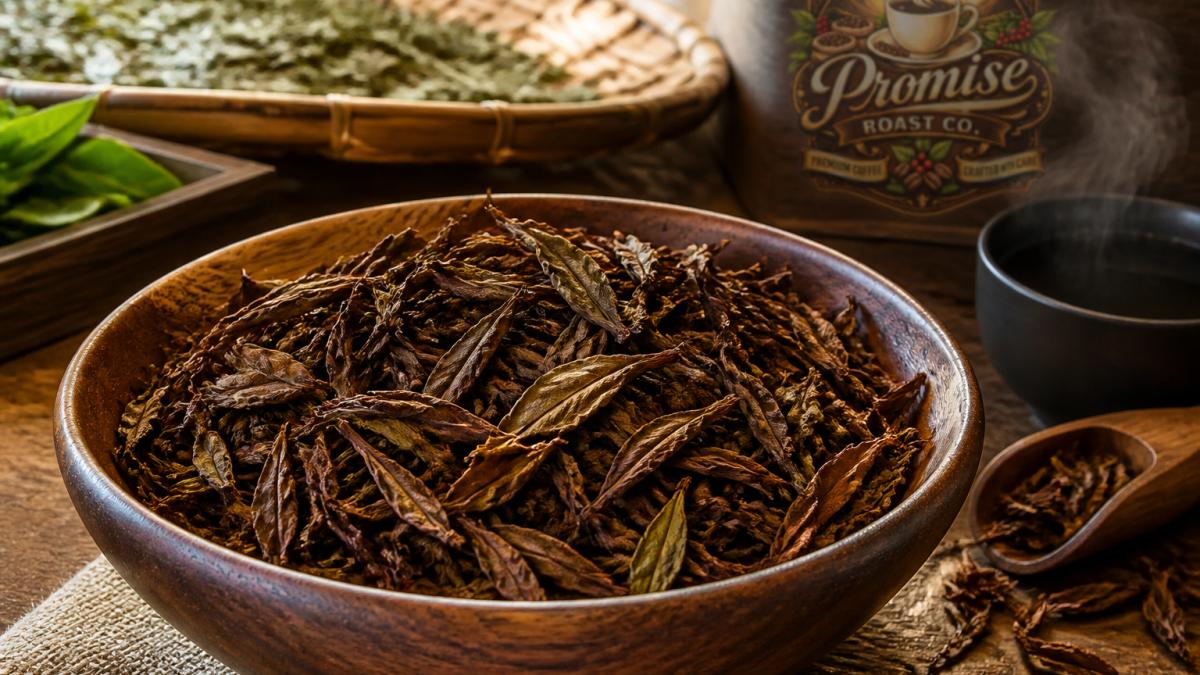
This isn’t a quick flash. The roasting must be controlled carefully to avoid burning the leaves while ensuring the heat penetrates evenly.
Roasting Methods and Heat Levels
Different roasting methods produce different results. Some producers use traditional drum roasters, where leaves tumble slowly over heat. Others employ more modern convection systems that circulate hot air evenly around the tea. The choice of method affects how the heat distributes and how quickly the roasting completes.
Heat level intensity determines the final character of roasted green tea. A light roast preserves more of the original tea’s brightness and creates a more delicate toasty note. A medium roast deepens the brown color and intensifies the nutty flavor. A heavy roast pushes toward darker, almost smoky profiles with woody undertones.
How Roasting Transforms Flavor and Color
Before roasting, green tea leaves are green because chlorophyll dominates their chemistry. Heat breaks this down, revealing and creating new flavor compounds. The Maillard reaction, the same process that browns bread and creates coffee’s depth, happens inside the tea leaves during roasting. This generates nutty, slightly sweet, and warming notes that weren’t present in the raw leaf.
The brown to reddish-brown color of roasted green tea comes directly from this chemical transformation. The more intense the roast, the darker the leaves become. Flavor shifts from grassy and vegetal toward toasty, with hints of caramel, hazelnut, or wood depending on roasting intensity and the specific tea variety being roasted.
Roasted Green Tea Caffeine: What You Should Know
Roasted green tea contains less caffeine than standard green tea, though the exact amount depends on brewing strength and leaf quality.
A typical cup of roasted green tea brewed for three to five minutes contains roughly 20-30 milligrams of caffeine, compared to 25-50 milligrams in standard green tea. This makes roasted green tea a genuinely gentle option for afternoon or evening drinking.
If you’re sensitive to caffeine or prefer to avoid it in the evening, roasted green tea offers a middle ground. It’s stimulating enough to feel like a real beverage rather than herbal tea, but gentle enough that many people can enjoy it close to bedtime without sleep disruption.
Hojicha vs Green Tea: Key Differences
Roasted green tea and standard green tea come from the same plant, but the roasting process creates distinct beverages. Understanding these differences helps you choose which one suits your moment.
Flavor, Aroma, and Color Comparisons
Standard green tea tastes bright, grassy, and sometimes vegetal, fresh in a way that mirrors the plant’s natural state. Roasted green tea tastes warm, toasty, and slightly sweet, with nutty undertones.
Visually, the difference is immediate. Green tea brews into a pale yellow-green liquid with vibrant color. Roasted green tea produces a golden-brown to amber liquid, warmer and less bright.
These aren’t minor variations. They’re fundamental shifts in how the tea tastes, smells, and looks. Someone accustomed to standard green tea might find roasted green tea almost unrecognizable at first, it’s a completely different sensory experience from the same plant.
Caffeine and Health Considerations
Roasted green tea contains roughly 20-30 milligrams of caffeine per cup, while standard green tea typically contains 25-50 milligrams. This difference makes roasted green tea the gentler choice for caffeine-sensitive drinkers. Both are significantly lower in caffeine than black tea or coffee, which contain 40-100+ milligrams per serving.
From a health perspective, both roasted and standard green tea contain beneficial compounds like catechins and L-theanine. The roasting process may slightly reduce some heat-sensitive compounds, but roasted green tea still retains meaningful levels of antioxidants. The practical difference is minimal, both are considered healthy beverages.
How to Brew Hojicha: Step-by-Step Instructions
Brewing roasted green tea correctly brings out its toasty character without bitterness. The process is straightforward and forgiving.
Total Time: 5 minutes
Step 1: Heat Your Water [Time: 2 minutes]
Bring fresh water to between 160°F and 180°F. If you don’t have a thermometer, boil water and let it cool for about three minutes before pouring.
Step 2: Measure Your Tea [Time: 1 minute]
Use approximately one teaspoon of loose-leaf roasted green tea per cup of water. Adjust this based on how strong you prefer your tea.
Step 3: Steep [Time: 3-5 minutes]
Pour the hot water over your tea leaves and let them steep for three to five minutes. Start at three minutes and taste, if you prefer stronger flavor, steep longer.
Expected Result: A warm, golden-brown liquid with a toasty aroma and smooth, slightly sweet flavor.
Loose-Leaf vs Tea Bags
Loose-leaf roasted green tea offers superior flavor because the leaves have more room to expand and release their compounds. The larger surface area creates a more complex, nuanced cup. Tea bags work for convenience, but the leaves inside are often smaller pieces that steep quickly and may taste slightly more astringent.
If you choose tea bags, look for ones that use whole leaves rather than dust or fannings, the smaller particles that fall through standard sieves. Quality matters here. Promise Roast Co. sources roasted green tea that maintains its character whether you brew loose leaves or use our convenient pods, ensuring peak freshness from roasting through your cup.
Temperature, Steeping Time, and Serving Suggestions
Water temperature between 160°F and 180°F is ideal. This range extracts the tea’s warmth and toasty notes without pulling harsh tannins. Steeping time of three to five minutes balances flavor strength with smoothness.
Serve roasted green tea hot for the full warming experience, or brew it strong and pour over ice for a refreshing iced version. The tea’s warm character translates beautifully to cold brewing as well, simply place loose leaves in cold water and refrigerate for six to eight hours for a smooth, naturally sweet iced tea.
Making a Hojicha Latte: Warm and Creamy
A hojicha latte transforms roasted green tea into a cozy, milk-based beverage that feels indulgent without being heavy. The tea’s toasty, slightly sweet notes pair beautifully with steamed milk or plant-based alternatives.
Basic Hojicha Latte Recipe:
Brew one cup of strong roasted green tea using the method above, but use slightly more leaf or extend steeping to five minutes for deeper flavor. Heat four to six ounces of milk, dairy, oat, almond, or your preference, until steaming.
The result is a warming, comforting beverage that works perfectly for morning ritual or afternoon pause. Unlike coffee-based lattes, a hojicha latte feels gentle, it provides a mild caffeine lift without the intensity of espresso.
Using Hojicha Powder for Convenience
Hojicha powder offers a faster path to lattes and other roasted green tea beverages. The powder is simply roasted green tea leaves ground into a fine consistency. Mix one to two teaspoons of powder directly into hot or cold milk, whisk until smooth, and you have an instant latte without brewing or straining.
Powder works beautifully in smoothies, baked goods, or anywhere you want roasted green tea’s flavor without loose leaves. The trade-off is slight loss of nuance compared to whole-leaf brewing, powder extracts faster and more completely, so the flavor is bold and direct rather than layered. For convenience and speed, powder excels. For a more contemplative brewing experience, loose-leaf wins.
Sourcing, Storage, and Peak Freshness
The quality of roasted green tea depends heavily on when it was roasted relative to when you brew it. Unlike some teas that improve with age, roasted green tea is best enjoyed within weeks of roasting, while its toasty notes remain bright and the tea retains its aromatic character.
Why Fresh-Roasted Matters
Roasting creates volatile compounds that give roasted green tea its distinctive aroma and flavor. These compounds gradually fade over time, especially if the tea is exposed to air, light, or heat. Tea roasted months ago tastes noticeably flatter and less vibrant than tea roasted days or weeks ago.
This is why we roast to order at Promise Roast Co. Every bag of roasted green tea is roasted fresh after your order arrives, ensuring that the tea reaches you at peak flavor. You’re not drinking inventory that’s been sitting on a shelf; you’re drinking tea roasted specifically for your moment.
How to Store Your Roasted Tea for Maximum Flavor
Once you receive your roasted green tea, storage becomes your responsibility. Keep it in an airtight container away from light, heat, and strong odors. A sealed glass jar in a cool, dark cupboard works perfectly.
Properly stored roasted green tea maintains its character for several weeks. After a month, you’ll notice subtle flavor fade, nothing dramatic, but a softening of the toasty notes.
The difference between ordinary tea and something worth your time comes down to intention.
At Promise Roast Co., we believe roasted green tea deserves the same care and freshness you’d expect from expertly roasted coffee.
Frequently Asked Questions
What is the difference between green tea and roasted green tea?
Green tea and roasted green tea start as the same plant but differ in processing. Standard green tea is dried quickly after harvest to preserve its grassy flavor and bright green color. Roasted green tea (hojicha) is heated at high temperatures, which removes moisture, deepens the color to brown or reddish-brown, and develops a warm, toasty, nutty aroma. This roasting process also reduces the caffeine content and creates a gentler, more soothing character that many find easier on the stomach.
Does roasted green tea contain caffeine?
Yes, roasted green tea contains caffeine, but significantly less than standard green tea or black tea. The high-temperature roasting process breaks down some of the caffeine compounds, making it a good choice for afternoon or evening drinking. If you’re caffeine-sensitive, hojicha is a gentler option than other teas while still offering a warming, mindful experience.
How do you brew roasted green tea properly?
Steep loose-leaf roasted green tea or tea bags in water heated to 160-180°F for 3-5 minutes. Use about one teaspoon of loose leaves or one tea bag per 8 oz cup. Cooler water and shorter steeping times prevent bitterness and bring out the nutty, sweet, and earthy flavors. For iced tea, brew at the same temperature, cool, and serve over ice.
Can you make a hojicha latte with roasted green tea?
Absolutely. Brew a strong cup of hojicha using 1-2 teaspoons of loose leaves or 1-2 tea bags, then add steamed or frothed milk of your choice, dairy, oat, almond, or any plant-based milk works well. Hojicha powder is especially convenient for lattes; whisk 1-2 teaspoons of powder with a small amount of hot water to create a paste, then add hot milk. The warm, toasty character of hojicha pairs beautifully with milk, creating a comforting beverage without the bitterness of traditional green tea lattes.