Table of Contents
- Why Grocery Store Coffee Tastes Stale and Bitter
- Signs of Stale Coffee Beans You Can Spot Immediately
- Roast Dates vs. Best-By Dates: What Actually Matters
- How to Store Coffee Beans for Freshness at Home
- Brewing Fixes That Reduce Bitterness Right Now
- Fresh Roasted Coffee Delivery: The Real Solution to Stale Bitter Coffee
- Conclusion
Last Updated: August 21, 2026
Why Grocery Store Coffee Tastes Stale and Bitter
Stale bitter coffee is not a matter of taste preference. It is a structural problem built into how grocery stores source, package, and sell coffee. Most grocery store coffee is roasted in large batches at centralized facilities, then packaged, shipped to distribution centers, and stocked on shelves. By the time it reaches your cart, the roast date is a distant memory. Oxidation, the chemical process where roasted coffee reacts with oxygen and moisture, degrades flavor compounds rapidly after roasting, resulting in a flat, bitter cup with none of the brightness or complexity the bean was capable of producing.
The bitterness you taste is not from low-quality beans. It is from flavor degradation that has already happened before you brewed a single drop.
The Chemistry Behind Grocery Store Packaging
Grocery store packaging is designed to extend shelf life, not preserve peak freshness. Most bags use a one-way valve that lets carbon dioxide escape without letting oxygen in. This only slows oxidation; it does not stop it.
Roasted coffee off-gasses carbon dioxide for several days after roasting, a sign of freshness. Beans that no longer bloom when hot water hits them have already passed their prime. Many grocery store bags are sealed and shipped before off-gassing is complete, which can trap stale gas inside and accelerate flavor degradation once opened.
Nitrogen flushing, where oxygen is replaced with inert nitrogen gas before sealing, extends shelf life further. But even nitrogen-flushed packaging cannot restore the aroma and flavor profile that oxidation has already stripped away. According to the Specialty Coffee Association’s resources on coffee freshness, roasted coffee begins losing its most volatile aromatic compounds within days of roasting, with significant flavor degradation occurring within weeks.
Hidden Inventory Management at the Shelf Level
Grocery stores rotate stock by best-by date, not roast date. Best-by dates on coffee are often set twelve to eighteen months after roasting, meaning a bag could have been roasted many months ago and still be considered “in date.” Stores also stock large quantities, allowing slower-moving specialty coffee bags to sit on shelves for extended periods. Reaching to the back for a bag with the furthest best-by date is a workaround, but it still does not tell you the actual roast date.
Signs of Stale Coffee Beans You Can Spot Immediately
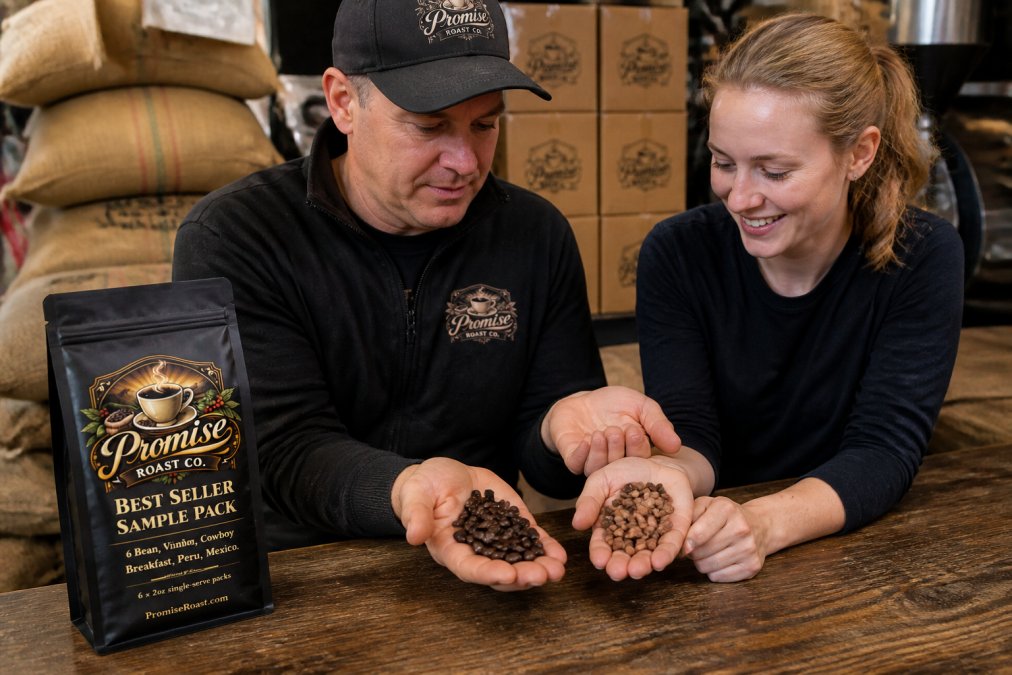
Stale coffee beans are identifiable before you brew a single cup. Fresh beans have a slight oily sheen, particularly darker roasts. Stale beans look dull and dry. When you open a fresh bag, the aroma should be immediate and assertive. If you have to bury your nose in the bag to smell anything, the coffee is already past its best.
Here are the specific signs to check before buying or brewing:
- No bloom when brewing: Pour hot water over grounds and watch. Fresh coffee blooms vigorously as trapped carbon dioxide escapes. Flat, stale grounds barely bubble.
- Dull, matte surface on the beans: Fresh roasted beans have a visible sheen. Stale beans look chalky or faded.
- Weak or absent aroma: The smell from a fresh bag should hit you immediately. Stale coffee smells faint, papery, or vaguely woody.
- Flat, one-dimensional aftertaste: Fresh coffee has a lingering finish with identifiable notes. Stale coffee leaves a bitter, hollow aftertaste with no complexity.
- No roast date on the package: If the bag only shows a best-by date with no roast date, treat it as a red flag.
Roast Dates vs. Best-By Dates: What Actually Matters
The roast date is the only date that tells you something meaningful about coffee freshness. Best-by dates reflect shelf stability, not flavor quality. A best-by date might be set twelve to eighteen months after roasting, meaning a bag could be technically “fresh” by the label while being many months past its flavor peak.
For whole bean coffee, the sweet spot for peak flavor is generally between five days and four weeks after roasting. Ground coffee degrades faster because increased surface area accelerates oxidation. According to the National Coffee Association’s brewing and freshness guidance, coffee should be consumed within two weeks of roasting for optimal flavor.
If a bag does not show a roast date, you have no way of knowing whether you are buying peak freshness or a product that has been sitting in a warehouse for months.
| Label | What It Tells You | What It Doesn’t Tell You |
|---|---|---|
| Roast Date | Exactly when the beans were roasted | Nothing, this is the key number |
| Best-By Date | When the store considers it unsellable | How fresh or flavorful it actually is |
| Packed On Date | When it was bagged (not necessarily roasted) | Whether roasting and bagging happened the same day |
| No Date | Nothing useful | Everything that matters |
How to Store Coffee Beans for Freshness at Home
Proper storage extends the life of fresh beans significantly, but it cannot rescue coffee that was already stale when you bought it. The enemies of fresh coffee are oxygen, moisture, heat, and light. An airtight container stored in a cool, dark pantry handles all four. Avoid clear containers on countertops and do not store coffee near the stove. Buy whole beans and grind only what you need immediately before brewing.
Pantry Storage vs. Freezer Storage
Pantry storage is the right choice for coffee you will consume within two to three weeks. Keep beans in an airtight container, away from light and heat. A ceramic or opaque canister with a tight-fitting lid works well. Avoid the refrigerator, where moisture and food odors can transfer into the beans.
Freezer storage is acceptable only under specific conditions. If you receive a large quantity of coffee and cannot consume it within three weeks, vacuum-sealing portions and freezing them is an option. The critical rule is to never refreeze. Thaw only what you need, bring it to room temperature before opening, and use it within a week. Repeated temperature cycling introduces moisture and accelerates oxidation.
Brewing Fixes That Reduce Bitterness Right Now
Even with stale beans, adjusting your brewing technique can meaningfully reduce bitterness. Bitterness in coffee is largely a function of over-extraction, where hot water pulls bitter compounds from the grounds after desirable flavors have already been extracted. Stale beans are more prone to over-extraction because their cellular structure has degraded.
Adjusting Grind Size and Brew Ratio
A coarser grind reduces the surface area exposed to water, which slows extraction and limits bitter compounds. If your coffee is tasting harsh, move your grinder one or two notches coarser and taste the difference.
Brew ratio also matters. A starting point of around one gram of coffee per fifteen to seventeen grams of water is a reasonable baseline for most brew methods. Adjust from there based on taste.
Water Temperature and Extraction Control
Water that is too hot extracts bitter compounds aggressively. The ideal range for most brewing methods is between 195°F and 205°F. Boiling water at 212°F will over-extract stale beans almost immediately. If you are using a kettle without temperature control, letting it sit for thirty to sixty seconds after boiling brings it into a better range.
Brewing time is the other lever. Longer contact time between water and grounds means more extraction. If your pour-over is running long or your French press is steeping for more than four minutes, you are likely pulling bitter compounds that a shorter brew time would leave behind.
According to the Specialty Coffee Association’s water quality standards for brewing, water mineral content also affects extraction. Filtered water with moderate mineral content is the practical baseline for most home brewers.
Using Salt and Upcycling Stale Beans
A small pinch of salt added to your coffee grounds before brewing suppresses bitterness by blocking the taste receptors that detect bitter compounds. A quarter teaspoon per twelve cups is a common starting point.
Stale beans that have passed their brewing prime still have uses. Coarsely ground stale coffee makes an effective odor absorber for refrigerators and pantries, a garden amendment, and a mild abrasive scrub for pots and pans.
Fresh Roasted Coffee Delivery: The Real Solution to Stale Bitter Coffee
The most effective way to avoid stale bitter coffee permanently is to change where you buy it. Fresh roasted coffee delivery solves the problem at the source, before oxidation has a chance to strip the flavor from your beans.

At Promise Roast Co., we ship fresh roasted coffee ready to order. There is no pre-roasted inventory sitting on a shelf. Each small batch is roasted after your order is placed and goes through a one to five day processing window to ensure peak freshness before it ships. We handle all shipping directly, so your coffee moves from roaster to doorstep without sitting in a warehouse or on a retail shelf. It may take a few days to ship, which is worth planning for. Order before you run out, not when you are on your last scoop.
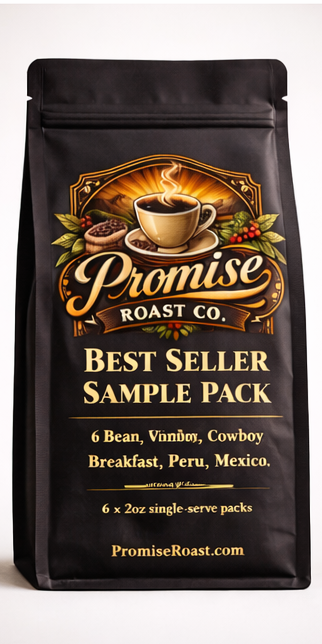
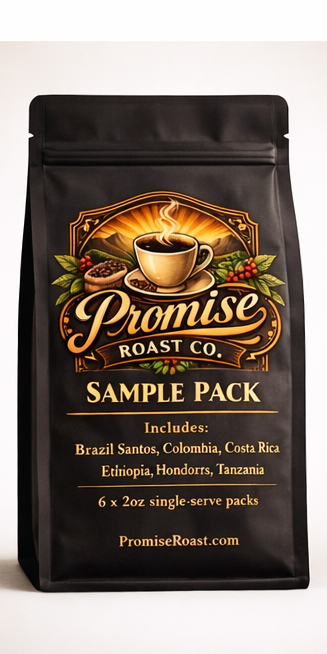
For first-time customers, Promise Roast Co. offers 10% off your first order. If you are not sure where to start, the Best Sellers Sample Pack gives you six of the most-loved roasts in 2oz portions, covering everything from the smooth, consistent House Blend to the easy-drinking Breakfast Blend. The Single Origin Favorites Sample Pack is the right starting point if you want to explore single-origin variety without committing to a full bag.
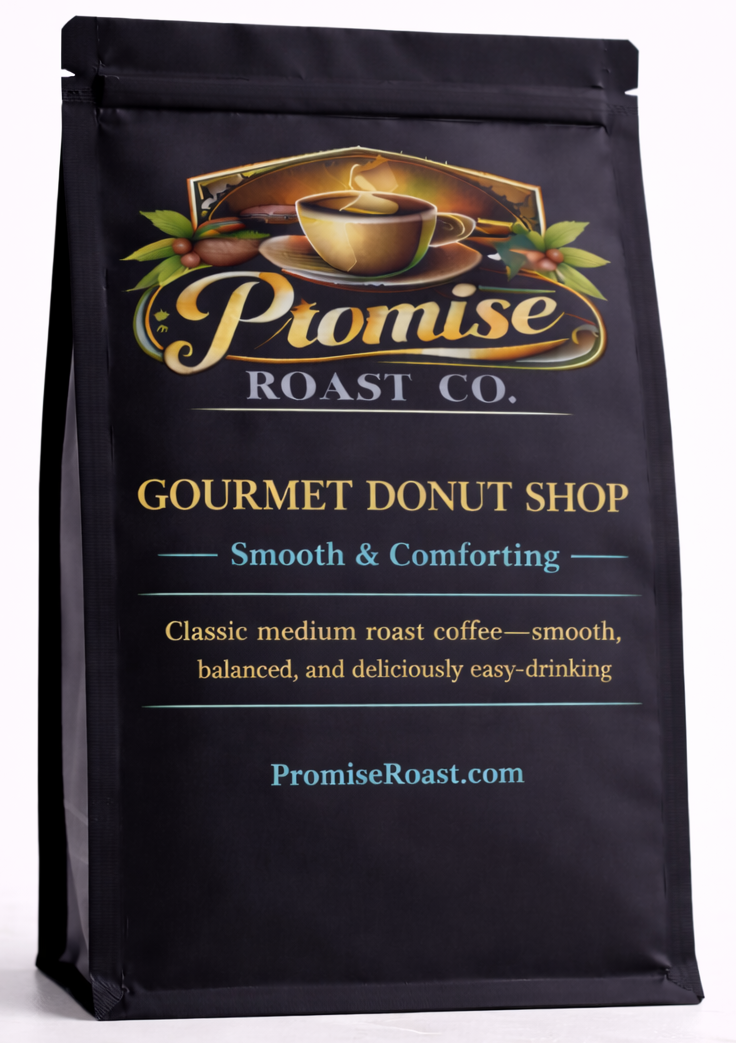
As noted in the National Coffee Association’s guide to specialty coffee, the specialty coffee segment has grown significantly as consumers become more aware of the connection between roast freshness and cup quality. Roasted-to-order models exist precisely because the gap between roasting and drinking is the single biggest variable in coffee flavor.
Frequently Asked Questions
How can I tell if my coffee beans are stale?
The clearest sign is smell: fresh coffee beans release a rich, complex aroma when you open the bag. Stale beans smell flat, papery, or faintly musty. Visually, stale beans look dull and dry rather than having a slight natural sheen. When you brew them, the grounds won’t bloom properly, that initial puff of CO2 that rises when hot water hits fresh grounds will be absent or minimal. Flat, bitter, or hollow-tasting coffee in the cup is the final confirmation.
Does the roast date on a coffee bag really matter?
Yes, significantly. Coffee is at its peak flavor between 4 and 14 days after roasting, once the initial CO2 off-gassing settles. After about 30 days, oxidation degrades the flavor profile noticeably. Best-by dates printed on grocery store bags can be set 12 to 24 months from the roast date, which tells you almost nothing about freshness. Always look for an actual roast date, not just a best-by date, when buying stale bitter coffee is something you want to avoid.
What cancels out bitterness in coffee?
A small pinch of salt added directly to your coffee grounds before brewing is one of the most effective quick fixes, sodium ions suppress bitter compounds without adding a salty flavor. Beyond that, coarsening your grind size and shortening brewing time both reduce over-extraction, which is the primary cause of bitterness. Lowering your water temperature slightly, to around 195°F instead of a full boil, also helps. Long-term, switching to fresher beans eliminates the root cause entirely.
Is there a real difference between artisan-roasted and mass-produced grocery store coffee?
The main practical difference is timing. Mass-produced coffee is roasted in large batches, packaged, warehoused, shipped to distribution centers, and then stocked on shelves, a process that often takes weeks or months before you buy it. Artisan small-batch roasters typically roast to order or in very small runs, meaning the beans reach you days after roasting rather than months. That gap in time between roast date and your cup is where freshness and flavor profile are either preserved or lost.
The frustration of bitter, flat coffee is real, and it is almost always avoidable. Promise Roast Co. roasts every order fresh, ships directly to your door, and handles the entire process so you never have to guess whether the beans in your bag are actually fresh. Shop Coffee at Promise Roast Co. and taste what your morning cup is supposed to feel like.
This article was written using GrandRanker