Table of Contents
- The Real Question: What Makes Flavored Coffee High Quality?
- How Flavored Coffee Is Actually Made
- Natural vs Artificial Coffee Flavoring: What’s the Difference?
- Coffee Bean Quality Indicators You Should Know
- Best Flavored Coffee Without Artificial Taste
- The Hidden Cost: Equipment Maintenance and Grinder Contamination
- Pros and Cons of Flavored vs Traditional Coffee
- Sustainable Flavoring Alternatives and Transparency
- Frequently Asked Questions
Last Updated: August 31, 2026
The Real Question: What Makes Flavored Coffee High Quality?
Most coffee drinkers assume flavored coffee is lower quality than traditional coffee. Mass-market flavored coffee has earned that reputation. But specialty-grade flavored beans from small-batch roasters tell a different story.
Is flavored coffee actually high quality? The answer depends entirely on what you’re buying and how it’s made. A cheap commodity bean drenched in synthetic flavoring oils will taste artificial and mask the bean’s character. A specialty-grade Arabica roasted fresh to order and infused with natural extracts while still warm tastes completely different.
At Promise Roast Co., we’ve spent years sourcing and roasting flavored coffees that respect the base bean. Quality flavored coffee starts with quality beans and ends with intentional flavoring application. This guide breaks down what separates genuinely good flavored coffee from mass-produced versions designed to hide poor bean quality.
How Flavored Coffee Is Actually Made
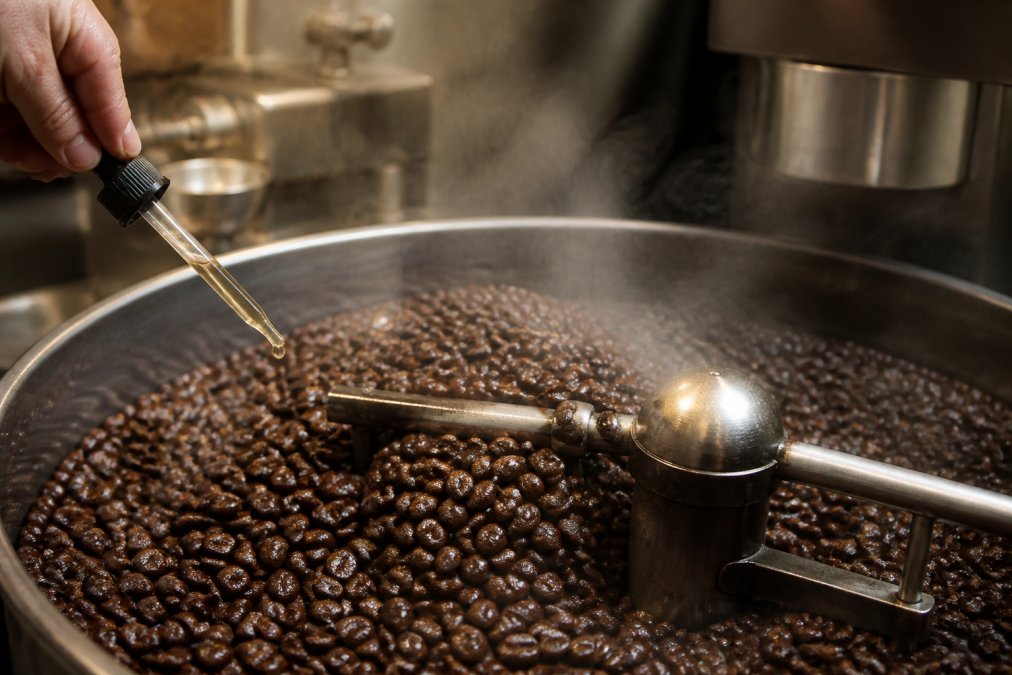
Flavored coffee isn’t flavored during roasting. The roasting profile comes first, and flavoring is applied after, to warm beans while they’re still porous enough to absorb the oils.
Post-Roast Application and Timing
The window for applying flavoring is narrow and deliberate. Beans fresh from the roaster are hot and their cellular structure is open. Flavoring oils penetrate more evenly when applied at this temperature. Once beans cool to room temperature, that window closes.
Most specialty roasters apply flavoring within 5 to 15 minutes of the roast finishing (peer-reviewed research). This timing allows the oils to coat the bean surface and migrate into the bean’s interior. The result is flavor that tastes integrated, not sprayed on. Small-batch roasters processing 50 pounds of beans can control this timing precisely, while large-scale roasters processing thousands of pounds daily struggle with consistency.
Oil-Based vs Water-Based Flavoring Methods
Most specialty-grade flavored coffee uses oil-based flavoring systems. These adhere to the bean’s oily surface and integrate with the bean’s natural oils. Oil-based flavorings are stable, don’t evaporate quickly, and deliver consistent flavor over weeks of storage.
Water-based flavorings are less common in specialty coffee and tend to evaporate faster, leaving the coffee tasting flat after a few weeks. Higher-end flavoring systems use natural gum arabic or plant-based carriers that integrate more seamlessly with the bean than propylene glycol-based systems.
Natural vs Artificial Coffee Flavoring: What’s the Difference?
Synthetic Flavorings and Chemical Residues
Artificial or synthetic flavorings are chemically engineered compounds designed to taste like vanilla, hazelnut, or caramel without containing any actual source ingredient. They’re food-safe and used across the beverage industry.
The problem in flavored coffee is that low-quality synthetic flavorings taste noticeably artificial, chemical, overly sweet, or one-dimensional. They have a reputation for masking poor bean quality, which is exactly what happens in commodity-grade flavored coffee. High-quality synthetic flavorings are stable compounds that don’t leave residual chemical taste, but lower-quality versions sometimes do.
Natural Extracts and Aromatic Compounds
Natural flavorings are derived from actual food sources. Natural vanilla flavoring comes from vanilla beans; natural hazelnut comes from hazelnuts. The extraction process isolates the aromatic compounds and concentrates them into liquid form.
Natural extracts are more expensive to produce and tend to taste more complex and less one-dimensional. A natural vanilla extract has depth and subtle variations; a synthetic version tastes flatter. The downside is shelf life, natural extracts degrade faster, especially in warm conditions. A bag roasted and shipped within two weeks will taste noticeably better than one sitting in a warehouse for six months.
Coffee Bean Quality Indicators You Should Know
You can’t make genuinely high-quality flavored coffee from low-quality beans. The best flavored coffees start with specialty-grade beans.
Specialty-Grade Arabica vs Commodity Coffee
Specialty-grade coffee is a formal designation. The Specialty Coffee Association grades beans on a 100-point scale; anything scoring 80 points or higher is specialty-grade (sca.coffee). Commodity coffee falls below that threshold.
Specialty-grade beans are sorted for size, density, and color consistency and processed with care to avoid defects. Commodity beans are bulk-processed with visible defects like cracks, discoloration, or insect damage. When you add flavoring to specialty-grade beans, the flavoring enhances the bean’s natural tasting notes. When you add flavoring to commodity beans, the flavoring must work harder to mask defects, and what you taste is mostly the flavoring, not the coffee.
Promise Roast Co. sources specialty-grade Arabica for all flavored roasts, ensuring the base coffee is already good.
Bean Origin, Processing Method, and Roast Level
Where the bean comes from shapes its flavor profile before roasting or flavoring. Brazilian Arabica tends toward nutty, chocolate-forward notes. African coffees tend toward fruity or floral notes. Central American coffees often have balanced acidity and sweetness.
Processing method also affects the final cup. Washed coffees are cleaner and more acidic. Natural process coffees are fruitier and fuller-bodied. Most specialty flavored coffee is roasted to a medium roast, which balances origin flavors with roasted character while preserving enough complexity to create depth when flavoring is added.
Best Flavored Coffee Without Artificial Taste
The marker of genuinely good flavored coffee is that it tastes like flavored coffee, not like a flavoring compound with coffee as a vehicle.
The Masking Phenomenon and Flavor Profiles
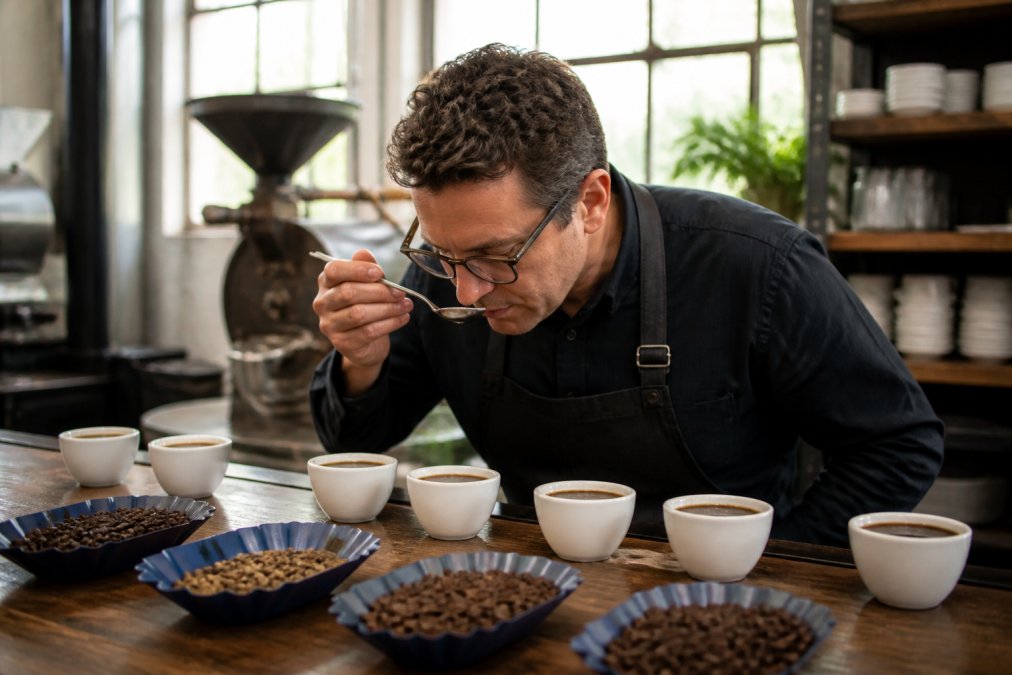
Masking happens when flavoring is applied to hide bean defects or low quality. The flavoring becomes dominant, and coffee becomes secondary. Good flavored coffee has a different structure: you taste the coffee first, its body, acidity, origin characteristics, then the flavoring, which enhances and complements rather than replaces those notes.
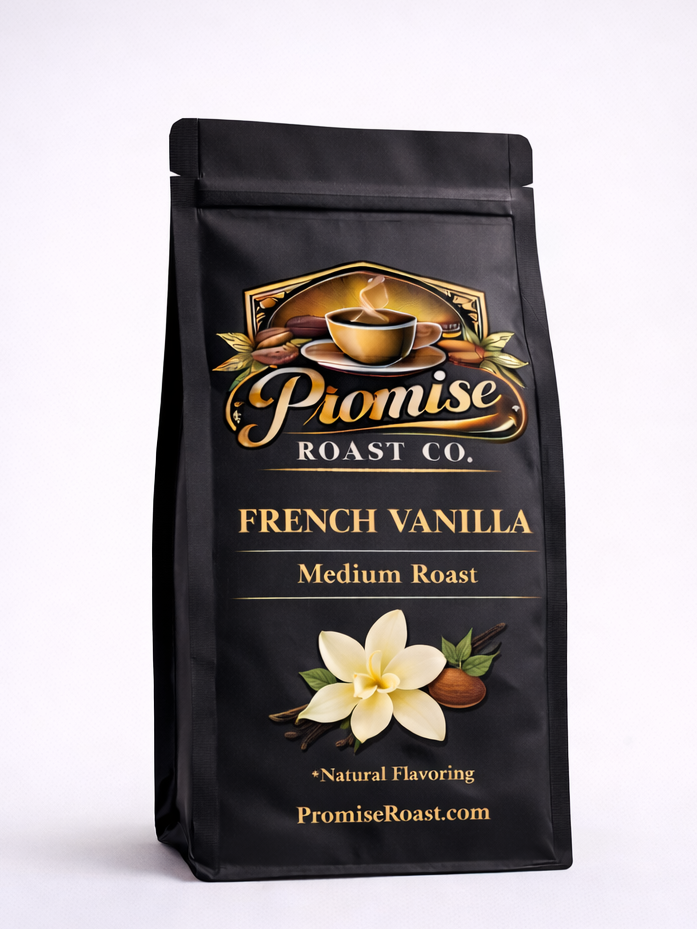
A good flavored coffee’s flavor profile is nuanced. A French vanilla tastes creamy and vanilla-forward but also slightly buttery and roasted. A hazelnut tastes nutty and warm but also slightly chocolatey and earthy. These layers come from quality base beans and quality flavoring compounds applied with intention.
Small-Batch Roasting and Peak Freshness
Small-batch roasting makes quality flavored coffee possible. Roasting 50 pounds at a time instead of 5,000 allows control over every variable. You can apply flavoring at the exact right temperature and ensure consistency across every bean.
Peak freshness for flavored coffee is the first two to three weeks after roasting (sca.coffee). After three weeks, flavored coffee flattens, the flavoring becomes muted and the coffee tastes less alive. Roasted-to-order coffee shipped directly to you arrives at its best.
The Hidden Cost: Equipment Maintenance and Grinder Contamination
Oil-based flavorings leave residue in your grinder. Over time, this residue builds up and can impart flavor to non-flavored coffee ground afterward. The solution is straightforward: use a dedicated grinder for flavored coffee or clean your grinder thoroughly between grinding flavored and non-flavored beans. Grinding uncooked rice in the grinder helps clean out residue.
For espresso machines and pour-over equipment, the residue is less of an issue because you rinse between brews. For French press or immersion brewers, thorough rinsing between brews solves the problem.
Pros and Cons of Flavored vs Traditional Coffee
Pros of flavored coffee:
- Adds variety to your daily ritual
- Works well in milk-based drinks
- Provides an accessible entry point for people who find black coffee too bitter
Cons of flavored coffee:
- Can mask the complexity of a good bean
- Requires dedicated grinder space or thorough cleaning
- Peaks in freshness quickly
Pros of traditional coffee:
- Lets you taste the full complexity of the bean
- Stays fresh longer (4-6 weeks)
- Easier to store and grind without contamination concerns
Cons of traditional coffee:
- Requires more discernment to find good beans
- Can taste flat if bean quality is poor
Good flavored coffee and good traditional coffee serve different purposes. For complexity and tasting the coffee itself, traditional single-origin beans are ideal. For enjoyment and a different experience, quality flavored coffee delivers that.
Sustainable Flavoring Alternatives and Transparency
The specialty coffee industry increasingly focuses on transparency about how coffee is flavored. Some roasters experiment with cold-infusion flavoring or blending roasted beans with other roasted ingredients like hazelnut pieces or cacao nibs. These methods avoid oil-residue issues and provide full transparency.
The most transparent approach is to buy from roasters who clearly label their flavoring method and type. If a roaster specifies “natural extracts” or “synthetic flavoring,” that signals they’re thinking about transparency.
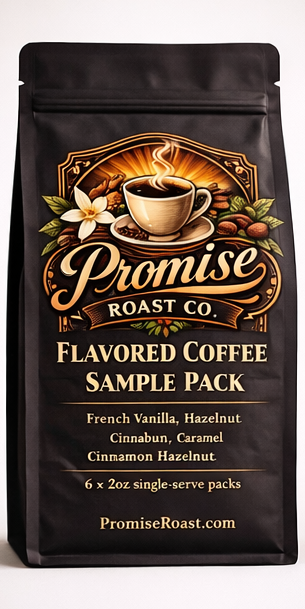
The Promise Roast Co. Flavored Coffees Sample Pack lets you taste six different approaches to flavoring without committing to a full bag. Each sample is roasted fresh to order and shipped within days at peak freshness. The French Vanilla uses natural flavoring for a creamy, complex profile. The Hazelnut blends specialty-grade Brazilian coffee with natural extracts for a warm, nutty cup. The Caramel uses all-natural flavoring for sweetness without artificial taste.
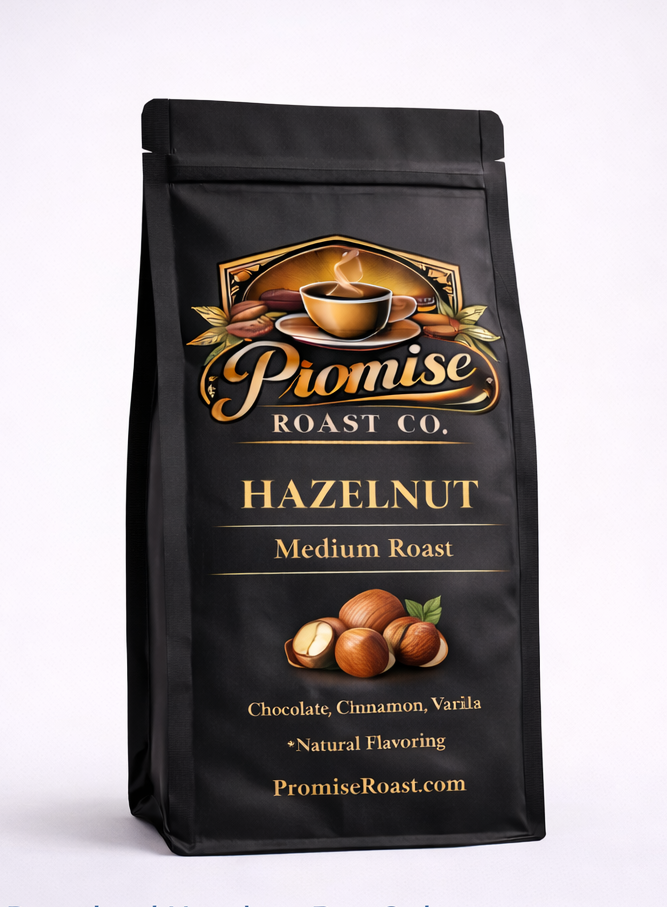
Starting with a sampler is the best way to discover what you actually like. You’ll know what quality flavored coffee tastes like.
Is flavored coffee actually high quality? Yes, when it’s made from specialty-grade beans, roasted fresh to order, and infused with care. The gap between commodity flavored coffee and artisan flavored coffee is as wide as any two coffee categories. If you’ve only tried mass-market flavored coffee, you haven’t tasted what’s actually possible. Start with the Promise Roast Co. Flavored Coffees Sample Pack, six small-batch roasts that show you what peak freshness and quality flavoring actually taste like. Shop Coffee and discover the difference for yourself.
Frequently Asked Questions
How can you tell if a flavored coffee is low quality?
Low-quality flavored coffee often relies on synthetic flavorings and propylene glycol rather than natural extracts, masking poor bean quality. Check the origin and roast date, specialty-grade Arabica beans from known regions indicate higher quality. Avoid products listing vague ‘natural and artificial flavors’ without specifics. Real quality shows through cupping notes (tasting notes describing acidity, body, aftertaste) and transparency about the base bean origin and roast level. Small-batch roasting and post-roast application of flavoring oils preserve more aromatic compounds than mass-produced alternatives.
Does flavored coffee use real ingredients or artificial flavorings?
Both exist. High-quality flavored coffee uses natural extracts derived from real ingredients, vanilla pods, hazelnut oils, caramel compounds. Lower-cost options rely on synthetic flavorings created in labs to mimic these tastes, often combined with chemical carriers like propylene glycol. The difference matters: natural flavorings integrate better with the coffee’s existing flavor profile, while synthetic versions can taste one-dimensional or artificial. Reading the ingredient label and asking roasters about their flavoring source reveals which approach they use. Premium roasters typically highlight natural flavoring as a selling point.
What is the 15-15-15 rule for coffee?
The 15-15-15 rule is a freshness guideline: coffee is best consumed within 15 days of roasting, reaches peak flavor between day 3 and day 15, and begins losing volatile compounds (aromatic qualities) after day 15. For flavored coffee, this timeline matters more because the flavoring oils applied during roasting are most vibrant early on. Buying from roasters who roast-to-order and ship quickly, ideally within 1-5 days, ensures you receive beans during their optimal window. This is why small-batch roasters emphasize roast dates; commodity coffee from grocery store shelves may be months old, losing both the base bean’s complexity and the flavor infusion’s brightness.
Are flavored coffees unhealthy?
Flavored coffees are not inherently unhealthy if made with natural flavorings and quality beans. The concern arises with mass-produced versions using synthetic compounds and chemical residues like propylene glycol, which some consumers prefer to avoid. Natural flavor extracts carry no significant health risk. The real consideration is transparency: reputable roasters disclose their flavoring source and bean origin. Specialty-grade Arabica beans retain more beneficial compounds than commodity-grade alternatives. If health is a priority, seek roasters who use natural flavorings, publish their sourcing practices, and roast fresh to order, this ensures you know exactly what’s in your cup.