Table of Contents
- Herbal Tea Varieties for Relaxation: A Complete Overview
- Quick Comparison: Top Herbal Teas for Relaxation
- 10 Best Herbal Tea Varieties for Relaxation
- 1. Promise Roast Co. Herbal Tea Selection
- 2. Traditional Medicinals Nighty Night Extra
- 3. Yogi Bedtime Tea
- 4. David’s Tea Mother’s Little Helper
- 5. Tea With Tae Routine Hot Tea Pouch
- 6. Harney & Sons Yellow & Blue Herbal Tea
- 7. Celestial Seasonings Sleepytime Extra
- 8. Traditional Medicinals Organic Lemon Balm Tea
- 9. Buddha Teas Organic Passionflower Tea
- 10. Pukka Herbs Night Time Tea
- How to Brew the Perfect Cup of Herbal Tea
- Best Herbal Tea for Anxiety: Key Ingredients and Effects
- How Herbal Teas Affect the Nervous System
- Creating Your Relaxation Ritual: Timing and Consistency
- Frequently Asked Questions
Last Updated: September 29, 2026
Herbal Tea Varieties for Relaxation: A Complete Overview
Finding the right herbal tea varieties for relaxation can transform your evening routine from rushed to ritualistic. This guide covers 10 of the best herbal tea varieties for relaxation, plus the science behind how they work and practical tips for brewing them correctly.
The herbs in these blends contain compounds that interact with your nervous system in specific ways, some promote drowsiness, others reduce anxiety, and many work best when combined.
Quick Comparison: Top Herbal Teas for Relaxation
| Herbal Tea | Key Ingredients | Best For | Flavor Profile |
|---|---|---|---|
| Traditional Medicinals Nighty Night Extra | Valerian root, passionflower, lemon balm | Deep sleep support | Earthy, herbal |
| Yogi Bedtime Tea | Chamomile, valerian root, passionflower | Evening wind-down | Spiced, warm |
| David’s Tea Mother’s Little Helper | Peppermint, lemongrass, valerian root | Stress relief with minty taste | Refreshing, herbal |
| Tea With Tae Routine Hot Tea Pouch | Spearmint, lemon verbena | Daily relaxation ritual | Light, citrusy |
| Harney & Sons Yellow & Blue | Chamomile, lavender, cornflowers | Calming sensory experience | Floral, delicate |
| Celestial Seasonings Sleepytime Extra | Chamomile, spearmint, valerian root | Budget-friendly relaxation | Mild, approachable |
| Pukka Herbs Night Time Tea | Oat flower, lavender, limeflower | Ethical, gentle support | Soft, soothing |
| Traditional Medicinals Lemon Balm Tea | 100% lemon balm leaf | Single-herb simplicity | Light, citrusy |
| Buddha Teas Passionflower Tea | Pure passionflower | Focused anxiety reduction | Grassy, subtle |
| Promise Roast Co. Herbal Tea Selection | Artisan-blended herbal varieties | Peak freshness and quality | Diverse, expertly crafted |
10 Best Herbal Tea Varieties for Relaxation
1. Promise Roast Co. Herbal Tea Selection
Promise Roast Co. brings the same commitment to freshness and quality that defines our coffee roasting to herbal tea varieties for relaxation. Our artisan-blended herbal selections are roasted fresh after your order, ensuring peak flavor and maximum potency.
What sets our herbal tea varieties for relaxation apart is attention to ingredient sourcing and blend balance. Some people need sedative effects from valerian root, others respond better to the gentle support of lavender and lemon balm. Our selection reflects this diversity.
Order your herbal tea selection with a 1-5 day processing window to ensure peak freshness.
2. Traditional Medicinals Nighty Night Extra
This is the choice when you need serious sleep support. Nighty Night Extra combines valerian root, passionflower, and lemon balm into a potent formula. The valerian root contains valerenic acid, a compound that promotes sedative effects.
The tradeoff is flavor. Valerian has a distinctly earthy taste that some find off-putting. If you’re sensitive to strong herbal flavors, start with a shorter steep time or blend it with a milder tea.
3. Yogi Bedtime Tea
Yogi Bedtime Tea balances effectiveness and accessibility. The blend combines chamomile, valerian root, and passionflower, then adds warming spices like cardamom and cinnamon, making it more approachable than straight valerian blends.
The spices have mild calming properties and improve digestive comfort. The blend is certified organic and vegan, and widely available.
4. David’s Tea Mother’s Little Helper
If you prefer a refreshing, minty approach to relaxation, Mother’s Little Helper stands out. This peppermint-based herbal tea varieties for relaxation blend includes lemongrass and valerian root, creating a flavor profile that feels more like a pleasant beverage than medicine.
The premium positioning reflects high-quality loose leaf ingredients. For someone who wants their relaxation tea to taste genuinely good, the minty refresh makes evening tea feel like a treat.
5. Tea With Tae Routine Hot Tea Pouch
This blend prioritizes consistency and convenience. Spearmint and lemon verbena create a light, citrusy profile suitable for daily use without the heaviness of valerian-heavy blends, making it ideal for afternoon wind-downs.
The subscription model removes decision fatigue from your evening routine, which itself becomes a form of stress relief.
6. Harney & Sons Yellow & Blue Herbal Tea
This blend prioritizes the sensory experience of relaxation. Chamomile, lavender, and cornflowers create a visually beautiful tea. The lavender contains linalool, a compound that supports anxiety reduction and nervous system calming.
The whole-leaf format delivers better flavor and stronger botanical effects. The elegant packaging makes this an excellent choice for gifting.
7. Celestial Seasonings Sleepytime Extra
This is the budget-conscious entry point into herbal tea varieties for relaxation. Sleepytime Extra adds valerian root to Celestial’s classic blend of chamomile and spearmint, delivering real relaxation support at an accessible price point.
Standard tea bags contain smaller leaf particles that steep faster but don’t deliver the same potency as whole-leaf blends. For someone testing whether herbal tea works for their relaxation needs, this is a smart starting point.
8. Traditional Medicinals Organic Lemon Balm Tea
Lemon balm is the gentler option for nervous system support. Unlike valerian’s sedative push, lemon balm works through calming effects without forcing drowsiness, making it ideal for afternoon stress relief.
The citrusy, light flavor makes this tea genuinely pleasant to drink. Many people enjoy lemon balm multiple times daily without the heaviness of valerian blends.
9. Buddha Teas Organic Passionflower Tea
Passionflower has a long history of supporting relaxation, particularly for anxiety. The herb contains compounds that interact with your nervous system to reduce racing thoughts and physical tension. Buddha Teas’ pure passionflower blend lets you experience this single herb without competing flavors or additional ingredients.
The grassy, subtle flavor is an acquired taste, passionflower doesn’t taste like traditional tea or flowers, it tastes like what it is: dried plant material. The upside is that once you adjust to the flavor, you know exactly what’s supporting your relaxation. The bleach-free tea bags and organic sourcing appeal to people prioritizing both personal health and environmental impact.
10. Pukka Herbs Night Time Tea
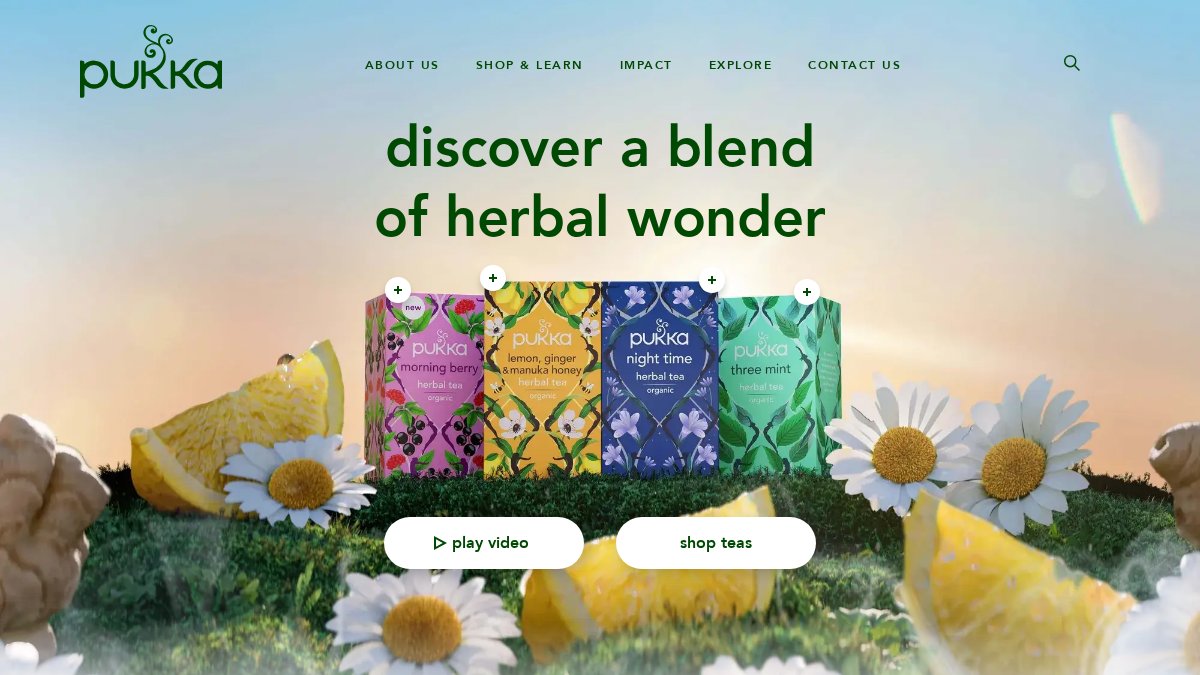
This blend takes a different approach to nervous system support. Oat flower, lavender, and limeflower create a gentle, non-sedative formula that works through calming rather than forcing sleep. The oat flower is the standout, it’s traditionally used to support nervous system health without the intensity of valerian.
The ethical sourcing and sustainability focus matter here. Pukka invests in direct relationships with growers and environmental practices, which appeals to people who want their relaxation ritual to align with their values. The mild flavor profile means you can drink this regularly without flavor fatigue.
How to Brew the Perfect Cup of Herbal Tea
Brewing technique directly impacts both flavor and the effectiveness of herbal tea varieties for relaxation. Temperature and steeping time matter more than most people realize.
Water temperature should be around 200-210°F for most herbal blends. Boiling water (212°F) can damage delicate compounds and create a bitter taste. If you don’t have a thermometer, let water cool for 30 seconds after boiling, that’s close enough.
The most common brewing mistake is using water that’s too hot or steeping too long. This creates bitter, unpleasant tea that discourages regular use. Proper technique takes 30 seconds of attention and transforms the experience.
Best Herbal Tea for Anxiety: Key Ingredients and Effects
When anxiety is your main concern, certain herbal tea varieties for relaxation work better than others. The distinction comes down to how different herbs interact with your nervous system.
How Herbal Teas Affect the Nervous System
The nervous system has two branches: the sympathetic (fight-or-flight) and parasympathetic (rest-and-digest). Relaxation happens when you shift from sympathetic dominance to parasympathetic activation. Herbal tea varieties for relaxation work by supporting this shift.
If you take prescription medications for anxiety or sleep, consult your doctor before adding herbal teas. Some herbs interact with medications, particularly sedatives, antidepressants, and blood thinners (pubmed.ncbi.nlm.nih.gov). This is especially important for valerian root and passionflower.
Creating Your Relaxation Ritual: Timing and Consistency
The real power of herbal tea varieties for relaxation comes from consistency and ritual, not just the tea itself. Drinking the same tea at the same time every evening creates a signal to your body that relaxation is coming.
Frequently Asked Questions
What is the best herbal tea for anxiety relief?
Chamomile, lavender, and lemon balm are among the most effective herbal teas for anxiety. Chamomile contains apigenin, a compound that binds to receptors in the brain associated with anxiety reduction. Lavender’s linalool compound promotes sedative effects on the nervous system. For stronger support, blends combining valerian root, passionflower, and lemon balm, like Traditional Medicinals Nighty Night Extra, offer more potent anxiety relief. The best choice depends on your flavor preference and how sensitive you are to herbal infusions.
How do I brew the perfect cup of herbal tea for maximum relaxation?
Steep loose-leaf or bagged herbal tea in water heated to 160-180°F for 5-10 minutes, depending on the blend. Whole-leaf teas generally deliver better flavor than standard tea bags. Cover your cup while steeping to retain beneficial oils. Allow the tea to cool slightly before drinking to avoid burning your mouth and to enhance the sensory experience of your relaxation ritual.
When should I drink herbal tea before bed for best results?
Drink herbal tea 30-60 minutes before bedtime to allow the calming compounds to take effect. This timing supports your body’s natural wind-down process and aligns with healthy sleep hygiene practices. If you’re sensitive to caffeine or herbal effects, start with earlier timing and adjust based on how your body responds. Consistency matters, making herbal tea part of your nightly bedtime ritual signals to your nervous system that it’s time to relax, enhancing the psychological and physiological benefits.
Can herbal tea help reduce daily stress levels outside of bedtime?
Yes. Herbal teas with calming properties like lemon balm, chamomile, and passionflower can reduce cortisol levels and support stress relief throughout the day. Unlike evening-focused blends with valerian root, daytime options like lemon balm or a light chamomile infusion provide anxiety reduction without causing drowsiness. Many people incorporate herbal tea into their afternoon routine as a mindfulness practice, which amplifies stress-reduction benefits beyond the tea’s chemical properties. Regular consumption as part of your wellness routine builds cumulative effects on nervous system regulation.