Table of Contents
- Understanding Roast Levels: The Starting Point for Choosing an Artisan Coffee Roast
- Light vs Dark Roast Flavor Profile: Which Matches Your Taste?
- Single Origin vs Blend Coffee: What’s the Difference?
- How to Evaluate an Artisan Coffee Roast: Sensory and Technical Checks
- How to Store Artisan Coffee Beans
- Common Artisan Roast Mistakes and How to Avoid Them
- Conclusion
- Frequently Asked Questions
Last Updated: September 6, 2026
Understanding Roast Levels: The Starting Point for Choosing an Artisan Coffee Roast
An artisan coffee roast is coffee roasted in small batches with careful attention to the roasting curve, bean density, and the final flavor profile. The roast level is the single biggest factor that determines how your coffee tastes, far more than the origin or variety of the bean itself (sca.coffee). An artisan coffee roast is defined by the roaster’s control over heat transfer and timing, which shapes everything from acidity to body.
Before you can choose the right roast, you need to understand the spectrum. At Promise Roast Co., we roast everything to order, which means you receive beans at their peak freshness. The three primary levels are Light, Medium, and Dark, with variations like Blonde and French sitting at the extremes. Each level changes the bean’s moisture content, density, and the degree of caramelization and Maillard reaction that occurs during roasting.
Light vs Dark Roast Flavor Profile: Which Matches Your Taste?
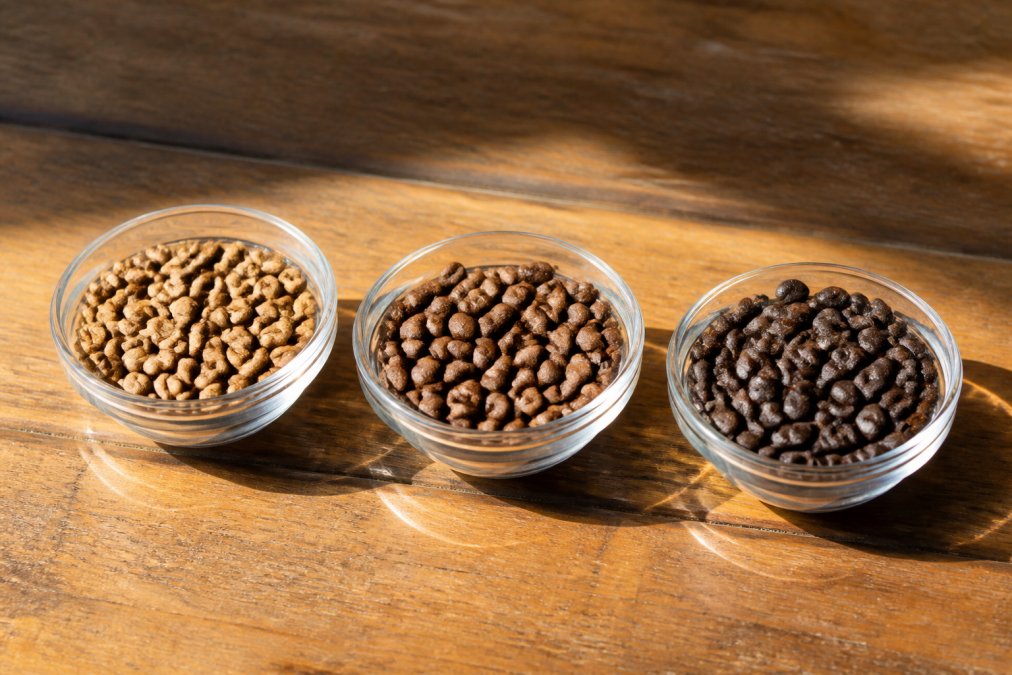
Light roasts preserve the bean’s origin character, delivering higher acidity, brighter flavor notes, and a lighter body. Dark roasts trade that complexity for deeper caramelization, lower acidity, and a heavier, more syrupy mouthfeel.
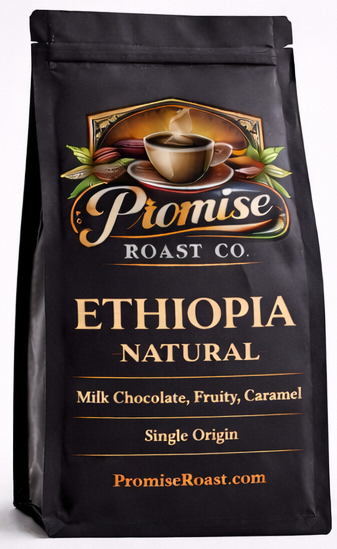
The decision between light vs dark roast flavor profile comes down to what you value in a cup. If you enjoy tasting the terroir of a specific region, light to medium-light roasts are your best match. Our Ethiopia Natural, a medium-light roast with notes of milk chocolate and fruity sweetness, showcases how a gentler roast lets the bean’s natural character shine through.
Dark roasts, by contrast, are built for boldness. Our French Roast and Italian Roast deliver deep aroma and a smooth, intense finish. If you are brewing espresso or prefer milk-based drinks, a dark roast’s full body holds up better against the dilution.
Single Origin vs Blend Coffee: What’s the Difference?
Single origin vs blend coffee is not a quality contest; it is a matter of intention. Single-origin beans come from one farm or region and highlight a specific character, while blends combine beans from multiple origins to achieve a balanced, consistent cup.
Choosing an artisan coffee roast starts with knowing which approach fits your ritual. Single-origin coffees reward curiosity. They change subtly with each harvest and invite you to explore how bean origin influences flavor. For those moments, our Ethiopia Natural is an excellent starting point, sourced from smallholder farmers in the Sidama Zone.
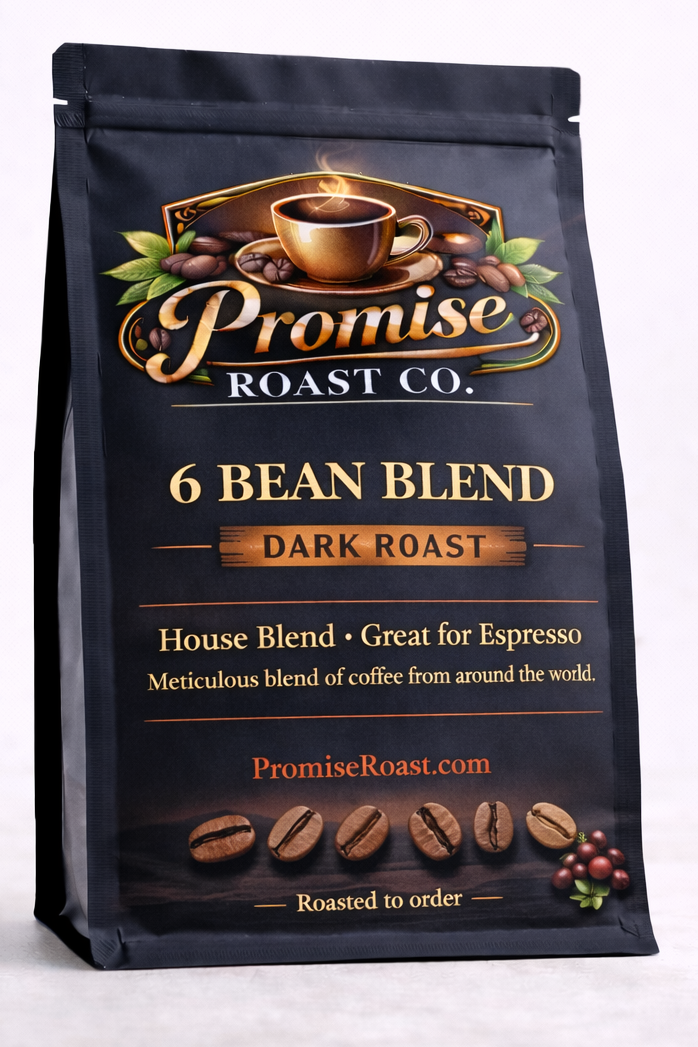
Blends, however, are crafted for dependability. A well-designed blend balances acidity, body, and flavor notes so every cup tastes the same. Our 6 Bean Blend, a dark roast house blend, is designed to shine in espresso and deliver a rich, full-flavored cup every time. If you are brewing for a busy morning when you do not want surprises, a blend is the safer choice.
| Roast Type | Flavor Profile | Best For | Example |
|---|---|---|---|
| Light / Blonde | High acidity, sweet, bright | Espresso, pour-over | Blonde Roast |
| Medium-Light | Balanced, fruit-forward | Single-origin exploration | Ethiopia Natural |
| Dark | Low acidity, bold, full-bodied | Espresso, milk drinks | 6 Bean Blend, French Roast |
| Darkest | Intense, smoky, deep | Classic espresso | Italian Roast |
How to Evaluate an Artisan Coffee Roast: Sensory and Technical Checks
Most guides stop at telling you to look for uniform color. But choosing an artisan roast with confidence means training your palate and eyes to read what the roaster did. This section goes beyond the basics and teaches you how to evaluate a roast like a professional, using techniques adapted from the Specialty Coffee Association’s cupping protocols.
The Visual and Tactile Exam
Before you brew, inspect the beans. A skilled roast produces beans that are uniform in color and size. Look for a matte finish, not an oily sheen. Oily beans are a sign of a dark roast that has been sitting too long, as the oils migrate to the surface after roasting. If you see a mix of light and dark beans in the same batch, it indicates poor heat transfer or an overloaded drum, which leads to an inconsistent cup.
Squeeze a bean between your thumb and forefinger. A properly roasted bean should be dense and resist pressure, not crumble like a stale cracker. If it breaks easily, the roast is either over-developed or the beans are old. A good test is to bite a bean in half. The center should be a uniform color, lighter for a light roast, darker for a full city or Vienna roast. A distinct light line running through the center, often called a ‘fault line,’ is a sign of under-development, which will taste grassy or bready.
The Cupping Protocol for Home Users
You do not need a professional lab to evaluate a roast. A simplified cupping method works at home. Grind 10 grams of coffee coarsely, place it in a cup, and pour 150 ml of just-off-boil water over it (sca.coffee). Wait four minutes, then break the crust with a spoon and smell the released aromatics. This is where roast defects are most obvious.
- Baked or flat aroma: If the smell is reminiscent of bread or toast without any fruity or floral character, the roast was likely ‘baked’, the roaster applied too little heat for too long, stalling the Maillard reaction.
- Sharp, acrid smell: This indicates a scorched roast, where the surface temperature was too high at the start, charring the bean exterior before the interior developed.
- Sweet, caramelized, or fruity notes: These are signs of a well-developed roast where the roaster managed the heat curve to preserve the bean’s origin characteristics.
After breaking the crust, let the coffee cool for another four minutes, then slurp a spoonful. Slurping aerates the coffee and spreads it across your palate. Focus on three attributes: acidity (is it bright and crisp like citrus, or dull and sour?), body (is it light like tea or heavy like syrup?), and finish (does the flavor linger pleasantly or turn bitter?). A quality artisan roast will have a clean finish, meaning the flavors fade without leaving a harsh, ashy aftertaste.
Troubleshooting Common Roast Errors
If your coffee tastes consistently off, the problem is often the roast, not your brewing. Here is a quick diagnostic guide:
- Sour, grassy taste: The roast is under-developed. The beans were dropped too early, before the Maillard reaction completed. Ask your roaster for a slightly longer development time or a roast that reaches first crack with more margin.
- Bitter, ashy taste: The roast is over-developed or scorched. The beans were roasted too dark, or the heat was too high after first crack. Look for a roast that is pulled earlier, or try a different roaster who favors a gentler profile.
- Hollow, baked taste: The roast stalled. The roaster applied too little energy, causing the bean temperature to plateau. This is common in ‘baked’ roasts. The coffee will taste flat and lack the vibrant acidity of a properly developed roast.
Matching Roast to Bean Origin
The best artisan roasters do not apply a one-size-fits-all roast curve. They match the roast degree to the bean’s density and origin. High-altitude beans from Central America and Africa are dense and benefit from a lighter roast that preserves their acidity and floral notes. Lower-grown beans, or those destined for espresso, can handle a darker roast without tasting bitter.
A common pattern is that Geisha beans from Panama, known for their jasmine and bergamot notes, are almost always roasted light to preserve those delicate volatiles. In contrast, a Brazilian Bourbon, which has a heavier chocolate and nut profile, can be roasted to a medium or medium-dark level to develop sweetness without losing its body. When you are choosing a roast, ask the roaster what origin they used and what roast level they recommend. A roaster who can explain why they chose a light roast for a Kenyan AA but a medium-dark for a Sumatran Mandheling is demonstrating the craft that defines artisan coffee.
How to Store Artisan Coffee Beans
How to store artisan coffee beans is just as important as how they are roasted. Once roasted, beans begin degassing and oxidizing immediately. The enemy is oxygen, light, heat, and moisture. Your beans are freshest within the first two to four weeks after roasting.
Use an airtight, opaque container kept at room temperature. Do not refrigerate or freeze your daily-use beans; condensation introduces moisture and degrades flavor. Buy whole beans and grind only what you need, since ground coffee loses aroma compounds far faster than whole beans.
Common Artisan Roast Mistakes and How to Avoid Them
The most common mistake is choosing a roast level based on caffeine assumptions rather than taste. Many people reach for dark roasts expecting a stronger kick, only to find the bold flavor masks the lower caffeine content.
Another frequent error is neglecting the roast date. An artisan coffee roast is a perishable product. If the bag lacks a roast date, you are gambling on stale beans. Roasting to order, as we do at Promise Roast Co. with a 1-5 day processing window, ensures the beans arrive well within their optimal flavor window.
A third mistake is treating every brewing method the same. Espresso machines need a finer grind and benefit from a darker roast that can handle pressure extraction. Pour-over methods favor lighter roasts that reveal delicate flavor notes. Match your roast to your brewing style, not just your mood.
Conclusion
Choosing the right artisan coffee roast comes down to three decisions: the roast level that matches your taste, the origin or blend that suits your ritual, and the freshness you demand from your supplier. Start with light roasts if you love bright acidity and origin character, or dark roasts if you crave bold, full-bodied depth. Then commit to beans roasted after your order is placed, because nothing preserves flavor notes like peak freshness.
Promise Roast Co. roasts every order individually in small batches, so your beans never sit in a warehouse. With a diverse selection of blends, single-origin beans, and convenient pods, plus free U.S. shipping, you can explore the full spectrum of artisan coffee roast styles while knowing every bag arrives at its peak. Shop Coffee and find the roast that makes your morning ritual feel intentional.
Frequently Asked Questions
How does artisan coffee differ from regular coffee?
Artisan coffee differs from regular coffee primarily in sourcing and roasting. Artisan roasters typically buy specialty-grade beans (scoring 80+ points) from specific farms or regions, then roast them in small batches to highlight unique characteristics. Regular commercial coffee is often mass-roasted, which can flatten flavor and lead to a bitter or one-dimensional cup. Choosing an artisan coffee roast means you get beans roasted to order, which preserves volatile aromatic compounds that degrade quickly after roasting.
What is the 15-15-15 rule for coffee?
The 15-15-15 rule is a simple guideline for brewing. It suggests grinding your beans 15 minutes before brewing, using water that is 15 degrees off the boil (around 195-205°F), and letting the coffee rest for 15 seconds after pouring. While not a strict scientific standard, the rule encourages intentionality. For artisan roasts, respecting the degassing window is more critical: beans need at least 3-7 days after roasting to release CO2 before they brew at their best.
Which coffee roast should I choose?
Your choice depends on your flavor preferences. Light roasts retain more of the bean’s origin character, offering bright acidity and floral or fruity flavor notes. Dark roasts develop deeper caramelization, resulting in a heavier body and bolder, sometimes smoky, flavors. If you enjoy sweet espresso, a blonde or light roast like Promise Roast Co.’s Blonde offers a lively cup. For a classic, intense cup, a dark blend such as the Italian Roast delivers a full-bodied experience.
What role does origin play in choosing an artisan coffee roast?
Origin plays a major role because it determines the bean’s inherent flavor potential. African coffees, like those from Ethiopia, often present bright, fruity, and tea-like characteristics, which shine in light to medium roasts. Central and South American beans typically offer balanced, nutty, and chocolatey profiles that work well as medium to dark roasts. When selecting an artisan coffee roast, match the roast level to the origin to preserve the qualities you enjoy.
How does the freshness of artisan roasting impact the final cup?
Freshness is the defining factor in an artisan coffee roast’s quality. After roasting, beans begin oxidizing and losing volatile flavor compounds. Mass-produced coffee can sit in warehouses for months before reaching shelves. Roasting to order, as Promise Roast Co. does, means your beans are usually just days old when they arrive. This preserves delicate flavor notes and aromatic complexity that stale beans lose, resulting in a noticeably sweeter, cleaner, and more vibrant cup.
What makes a single origin coffee roast different from a blend?
A single origin roast comes from one specific farm, cooperative, or region, showcasing that place’s unique terroir and flavor profile. Blends combine beans from multiple origins to create a balanced, consistent, and complex cup that no single origin could achieve alone. If you want to explore distinct characteristics like the berry notes of an Ethiopia Natural, choose a single origin. For espresso or a dependable daily cup, a blend like the 6 Bean Blend offers depth and balance.
How should I store my artisan coffee beans?
To store artisan coffee beans correctly, keep them in an airtight, opaque container at room temperature. Avoid the refrigerator or freezer, as moisture and odors can compromise the beans. Buy whole beans and grind only what you need right before brewing. Consume your artisan coffee roast within 2-4 weeks of the roast date to enjoy peak flavor. Always check the roast date on the bag, not just the best-by date, to gauge true freshness.