Table of Contents
- What Makes Single Origin Coffee Pods Different
- Single Origin vs Blend Coffee Pods: Flavor and Quality
- Best Single Origin Beans for Beginners
- How to Choose High Quality Coffee Pods
- Cost Analysis: Single Origin Pods vs Whole Beans
- Freshness, Traceability, and Ethical Sourcing
- Sustainability and Environmental Considerations
- The Verdict: Are Single Origin Coffee Pods Worth It?
Last Updated: August 29, 2026
What Makes Single Origin Coffee Pods Different
Single origin coffee pods deliver a direct connection to place, process, and flavor that mass-market blends cannot. When you brew a single origin pod, you’re tasting the specific terroir of one region, the volcanic soil of Bali, the high-altitude farms of Peru, the microclimates of Colombia. Blends mix beans from multiple origins for consistency; single origin pods celebrate regional character as a feature.
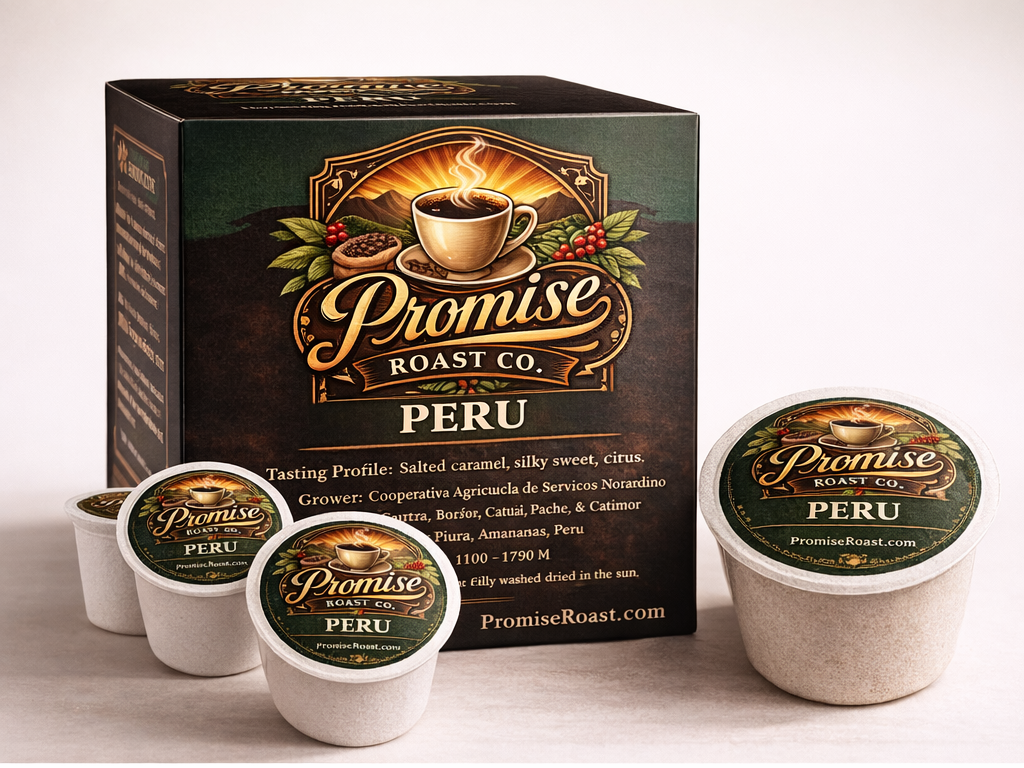
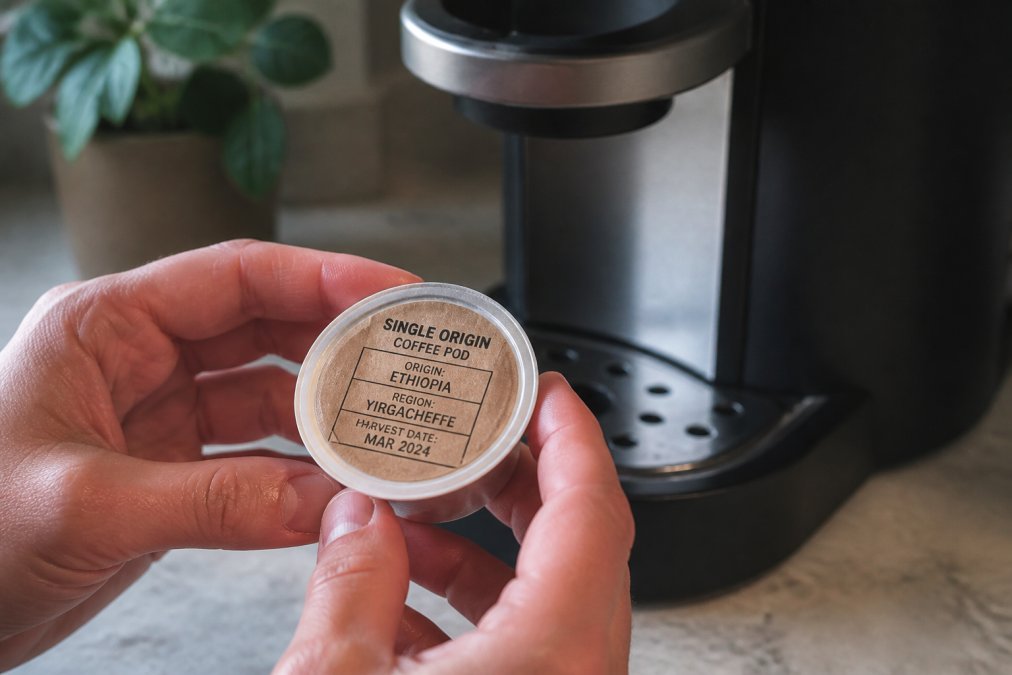
A single origin pod contains beans processed one way, from one altitude range, often from one farm or cooperative. That uniformity lets roasters dial in brew pressure and timing to match exactly how those beans behave. Blends require compromise across different bean densities and extraction rates. The result is that single origin pods taste sharper, more complex, and truer to their source.
At Promise Roast Co., we focus on single origin coffees because the flavor story matters. Peru’s balanced sweetness comes from high-altitude ripening and clay mineral soils. Mexico’s creamy body reflects lower elevation and washed processing. Bali’s bold richness emerges from volcanic loam and wet-hulled processing. These aren’t marketing stories, they’re chemical facts reflected in your cup.
Single Origin vs Blend Coffee Pods: Flavor and Quality
A blend pod is engineered for predictability. Roasters combine beans to smooth rough edges and create a cup that tastes nearly identical from bag to bag. Single origin pods abandon that promise. The same Peru coffee roasted in July tastes measurably different from the same coffee roasted in October due to altitude variation, rainfall patterns, and harvest timing. Specialty coffee enthusiasts embrace this variation as complexity.
Single origin pods force roasters to be honest about sourcing. A blend can hide mediocre beans under darker roasting or added sweetness. A single origin pod has nowhere to hide. If beans are low-quality, the cup tastes thin, bitter, or flat. That’s why single origin pods typically come from traceable sources, farms or cooperatives the roaster can name and verify.
Flavor profile complexity is the practical difference you’ll notice. Blends typically offer one or two dominant notes like chocolate and caramel. Single origin pods often layer multiple notes: dark chocolate, molasses, and brown sugar in a Bali coffee, or salted caramel, citrus, and silky sweetness in a Peru coffee. Single origin also lets you choose the sensory experience you want, higher altitudes offer brighter acidity and lighter body, while lower altitudes develop lower acidity and heavier body.
Best Single Origin Beans for Beginners
Choosing your first single origin coffee pod doesn’t require expertise. Pick origins known for approachability: Peru, Mexico, and Bali.
Peru: Balanced and Approachable
Peru grows coffee at high altitude in regions like Piura and Amazonas, where cool nights and clay mineral soils create balanced, sweet cups. Expect salted caramel, silky sweetness, and subtle citrus notes. The acidity is medium and clean; the body is medium. Peru works especially well for people transitioning from blends, the flavor complexity is there, but the cup is forgiving if your water temperature or brew time varies slightly.
These medium-roast pods deliver smooth, sweet cups with layered notes and clean finish. Check the product page for current pricing, package size, and available options. To compare cost per serving, divide the current package price by the number of servings you actually brew. Explore: Peru Coffee Pods.
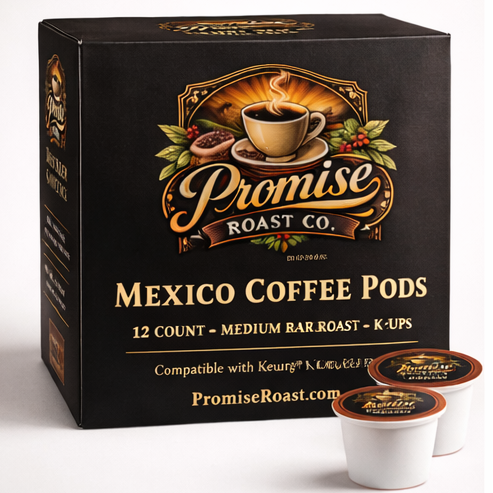
Mexico: Smooth and Comforting
Mexico produces coffee at lower altitudes (1,400-1,900 meters), creating lower acidity, heavier body, and pronounced sweetness. Tasting notes are straightforward: lemon, brown sugar, and dark chocolate. The medium-dark roast deepens chocolate notes and adds syrupy richness. Mexican coffee is particularly good if you’re coming from dark roasts or espresso-based drinks.
Check the product page for current pricing, package size, and available options. To compare cost per serving, divide the current package price by the number of servings you actually brew. Explore: Mexico Coffee Pods.
Bali: Bold and Rich
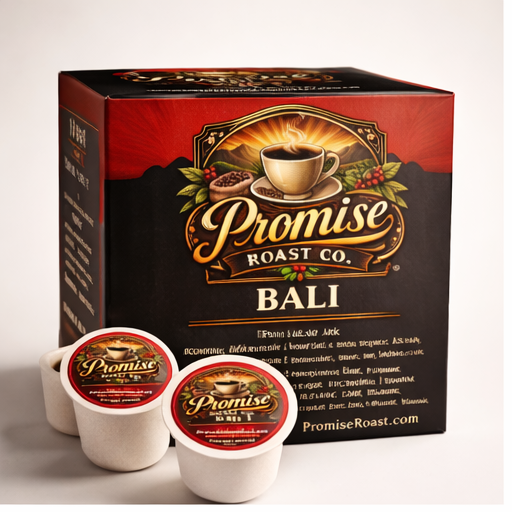
Bali coffee from volcanic highland regions like Kintamani creates bold, rich cups with deep sweetness and low acidity. Flavor profile: dark chocolate, molasses, and brown sugar. The body is heavy and syrupy; the finish is long and satisfying. Bali is ideal for people who say they “don’t like acidic coffee.” The traditional wet-hulled processing method adds depth and body compared to washed processing.
Check the product page for current pricing, package size, and available options. To compare cost per serving, divide the current package price by the number of servings you actually brew. Explore: Bali Coffee Pods.
How to Choose High Quality Coffee Pods
Quality in single origin coffee pods comes down to four factors: bean sourcing, roast date, processing method, and roaster transparency.
Sourcing transparency is the first filter. A quality pod specifies the farm, cooperative, or region. “Colombia” is vague; “smallholder farmers from Medellín in Antioquia” is specific. The roaster should name the cooperative, altitude range, processing method, and ideally the harvest date.
Roast date determines freshness. Coffee oxidizes and loses flavor complexity immediately after roasting. Check packaging for a roast date, not just an expiration date. The best single origin pods are roasted within 1-5 days of shipping (peer-reviewed research).
Processing method affects flavor profile and quality. Washed coffees taste clean and bright; natural-process coffees taste fruitier and earthier; honey-process coffees split the difference. A quality roaster specifies the method.
Roaster transparency means the business can explain why they chose these beans and how they roasted them. A quality roaster has a detailed website with tasting notes and origin information, offers samples, and shares sourcing relationships.
| Quality Indicator | What to Look For | Red Flag |
|---|---|---|
| Sourcing | Specific farm/cooperative name, altitude, region | “Single origin” with no details |
| Roast Date | Printed on packaging, within 1-5 days of purchase | No roast date listed |
| Processing Method | Washed, natural, or honey-process specified | Processing method not mentioned |
| Roaster Info | Website with tasting notes and sourcing details | Limited or no background information |
| Pod Material | Aluminum or compostable specified | Material not disclosed |
Quality single origin pods cost $1.50-$2.00 per pod. Pods under $1.00 cut corners somewhere.
Cost Analysis: Single Origin Pods vs Whole Beans
On paper, whole beans are cheaper. Check the product page for current pricing, package size, and available options. To compare cost per serving, divide the current package price by the number of servings you actually brew.
But that ignores hidden costs. Brewing whole beans requires a grinder ($50-$150), a scale ($20-$50), and a brewing device ($30-$3,000+). You also need to learn proper grinding, measuring, and brewing technique. A poorly ground cup of expensive beans tastes worse than a pod-brewed cup of the same beans.
Pods eliminate these barriers. Insert a pod, press a button, and get a consistently good cup in 30 seconds. For busy professionals or anyone who values convenience, pods deliver better value despite higher per-cup cost.
Freshness matters too. Whole beans oxidize immediately after roasting. A bag sitting in your pantry for two weeks tastes noticeably flatter than one brewed within days of roasting. Pods are individually sealed, so oxidation happens much more slowly.
For someone who already owns a grinder and brews daily, whole beans make financial sense. For someone building a coffee ritual from scratch, single origin pods are worth the premium.
Freshness, Traceability, and Ethical Sourcing
Freshness is the primary advantage of single origin pods over commodity coffee. Coffee begins to fade the moment it’s roasted. Volatile aromatic compounds evaporate, oils oxidize, and the cup loses brightness and complexity. A coffee roasted two weeks ago tastes measurably different from one roasted two days ago (peer-reviewed research).
Single origin pods preserve freshness better than whole beans because they’re individually sealed. Oxidation still happens, but much more slowly than in a bag of whole beans sitting in your pantry.
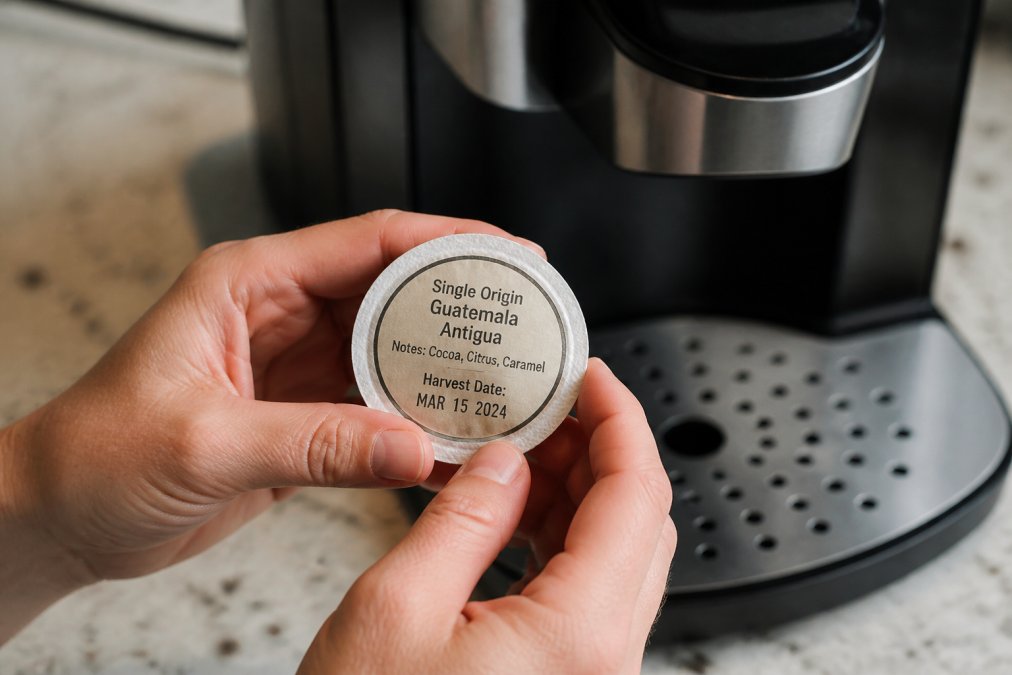
Traceability connects you to the people who grew your coffee. A traceable pod tells you the farm or cooperative, farmer’s name if possible, altitude, processing method, and harvest date. That information is accountability. If you can name the farm, you can research whether it treats workers fairly, pays living wages, and practices sustainable agriculture.
Promise Roast Co. sources from named cooperatives: Cooperativa Agricola de Servicios Norandino in Peru, smallholder farmers in Medellín, micro farms in Alajuela. Each pod’s packaging includes grower information.
Ethical sourcing means farmers receive fair compensation and work in safe conditions. Specialty coffee roasters pay premiums, sometimes 30-50% above commodity prices, to ensure farmers can sustain their farms and families (fairtrade.net). Single origin pods cost more partly because the supply chain is more ethical.
Sustainability and Environmental Considerations
Coffee production affects the environment through water usage, land use, and biodiversity. Single origin pods can be more or less sustainable than whole beans depending on pod material and farm practices.
Most single origin pods use aluminum capsules, which are infinitely recyclable without losing quality. Some roasters offer compostable pods made from plant-based materials. Each approach has tradeoffs. Aluminum is most sustainable if you recycle consistently; compostable pods are better if you have access to commercial composting facilities. The farm’s practices matter as much as pod material.
Promise Roast Co. sources from farms practicing sustainable agriculture. The Peru cooperative uses gully washing and sun-drying to minimize water waste. The Costa Rica coffee is eco-pulped. The Ethiopia coffee is hand-sorted and dried on raised beds, labor-intensive but low-impact.
The Verdict: Are Single Origin Coffee Pods Worth It?
Single origin coffee pods are worth it if you value flavor complexity, convenience, and freshness over lowest cost. They’re not worth it if you’re optimizing purely for price or if you already own a grinder and brew daily.
The flavor argument is straightforward. Quality single origin pods taste noticeably better than mass-market blends. The complexity and origin-specific character are real differences you’ll taste. If you enjoy coffee as a ritual or sensory experience, single origin pods deliver.
The convenience argument is equally strong. Pods eliminate the need for a grinder, scale, and technique. You get consistency without effort. For busy professionals or anyone who values their morning routine, that convenience justifies the higher per-cup cost.
The freshness argument is overlooked. Individually sealed pods stay fresher longer than whole beans. Promise Roast Co. roasts to order, so pods arrive within days of roasting. That peak freshness makes a measurable difference.
The cost argument cuts both ways. Single origin pods cost roughly $1.67 per cup, more than whole beans but less than café espresso drinks. If you’re comparing pods to daily café visits, pods are dramatically cheaper. If you’re comparing to whole beans and already own equipment, whole beans win on cost.
The ethical sourcing argument matters if you care where your coffee comes from. Single origin pods from reputable roasters tell you the farm, altitude, processing method, and farmer’s name. That transparency lets you support specific farms and regions.
For most people discovering single origin coffee for the first time, pods are the best entry point. They eliminate barriers, guarantee quality, and deliver genuine flavor complexity. The Single Origin Favorites Sample Pack ($24.99) includes six different single origin coffees in 2-ounce portions: Brazil Santos, Colombia, Costa Rica, Ethiopia, Honduras, and Tanzania. At roughly $4.17 per origin, it’s an affordable way to discover which regions resonate with your palate before committing to full boxes.
Single origin coffee pods represent a deliberate choice: you’re paying for flavor complexity, ethical sourcing, and convenience. If those things matter to you, they’re absolutely worth it.
Single origin coffee pods deliver genuine flavor complexity and freshness that mass-market blends can’t match. If you’re exploring specialty coffee for the first time or you value convenience without sacrificing quality, Promise Roast Co.’s single origin pods are the best starting point. Each pod is roasted fresh after your order, ensuring peak freshness within 1-5 days. Explore different origins with the Single Origin Favorites Sample Pack and discover which regions speak to your palate. Shop Coffee and find your next favorite brew.
Frequently Asked Questions
Q: What exactly defines a single origin coffee pod?
A: A single origin coffee pod contains beans from one specific geographic region or farm, rather than a blend of beans from multiple origins. This traceability means you know precisely where your coffee comes from, whether it’s Peru, Bali, or Colombia. Single origin pods emphasize the unique terroir and flavor characteristics of that specific region, making each origin taste distinctly different based on altitude, soil type, and local growing conditions.
Q: How do single origin coffee pods compare to blends in terms of flavor?
A: Single origin pods showcase distinct regional flavor profiles, Peru offers salted caramel and citrus notes, while Bali delivers dark chocolate and molasses. Blends combine beans from multiple origins to create balanced, consistent flavors. Single origin pods give you a sensory experience tied to one place, with more pronounced acidity, body, and aroma variations. Blends are typically smoother and more predictable, designed for everyday drinking without flavor surprises.
Q: Are single origin coffee pods worth the extra cost compared to bulk coffee?
However, single origin pods from small-batch roasters offer peak freshness roasted after your order and traceability you won't find in bulk options. For work-from-home professionals or those who value convenience and premium quality over maximum savings, the cost difference is justified by flavor clarity and freshness. Check the product page for current pricing, package size, and available options. To compare cost per serving, divide the current package price by the number of servings you actually brew.
Q: How can you tell if a coffee pod is truly single origin?
A: Look for packaging that clearly states the specific region, altitude, grower information, and processing method. Authentic single origin pods list the exact farm or cooperative, variety of bean, and harvest details. Avoid pods labeled only ‘premium’ or ‘specialty’ without origin specifics. Reputable roasters provide full traceability, you should be able to trace your beans back to the exact farm and understand how they were processed, which confirms genuine single origin sourcing.
Q: What’s the best single origin coffee pod for someone new to specialty coffee?
A: Peru or Mexico pods are ideal starting points for beginners. Peru offers a balanced, approachable profile with salted caramel and citrus, smooth enough for everyday drinking but distinctive enough to showcase single origin quality. Mexico delivers a comforting medium-dark roast with brown sugar and dark chocolate notes that feel familiar but elevated. Both avoid extreme acidity or heavy body, making them forgiving for new palates while still demonstrating why single origin matters.